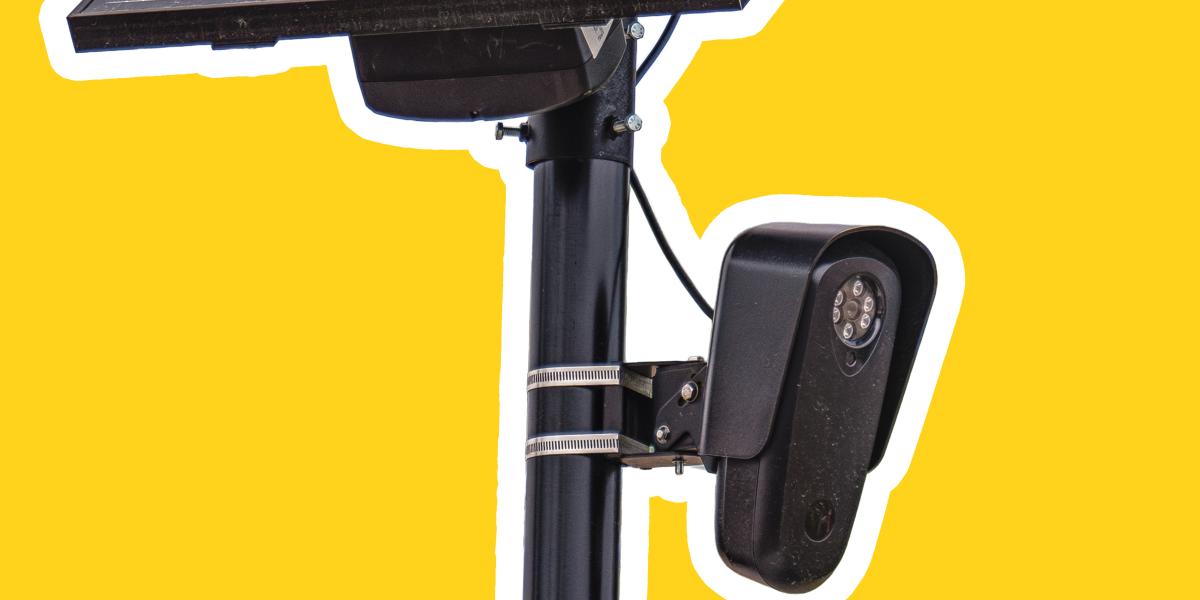
A year defined by chaos, violence, and economic strain has produced an unlikely focus for American anger: the traffic camera.
Opposition to Flock cameras – automated license plate readers made by a company called Flock Safety – is spreading across the country. The movement crosses party lines. It is driven by local Facebook groups and little-covered local news. Citizens are pressuring city councils to cancel contracts. Some have cut the cameras down with electric saws.
More than 50 jurisdictions have ended their relationships with Flock after public backlash. The company last week announced changes meant to defuse the anger. Starting next year, Flock says it will cut the default data retention period from 30 days to 7 days. It will require government clients to use an internal system for detecting unusual searches. All searches must be tied to a specific case code, with emergency exceptions automatically flagged for review. Flock had already removed all federal agencies from its nationwide search database in an earlier concession.
Flock is a government contractor that sells no product directly to the public. Yet it is bending to public pressure. That fact alone signals something unusual.
The usual arguments for surveillance are failing. The claim that such data collection is essential for public safety is met with ridicule. The line that only criminals should worry has lost its force. Documented cases of police officers using the Flock database to track romantic partners or ex-spouses have made that clear. Several drivers have been held at gunpoint after Flock cameras misidentified them as suspects.
What really drives the rage is not current misuse. It is future possibility. People across the political spectrum worry the same network could be used to enforce stay-at-home orders during a future pandemic. They worry it could be used to round up and deport people based on political views.
That kind of thinking reflects a healthy public mindset: do not let the government grab power you would not trust your political enemies to wield.
The Flock backlash has become a major issue ahead of the midterms because it taps into something deeper. The public no longer assumes elites and institutions act in good faith. Promises about how new surveillance tools will be used carry no weight.
That distrust is earned. The PATRIOT Act, the invasion of Iraq, the banker bailouts, the insurance industry bailout (the Affordable Care Act), and the covid lockdowns each depended on the public's willingness to believe the government was acting in their interest. That willingness is gone.
The Flock camera fight is proof that the old lie does not work anymore. That is a very good sign.