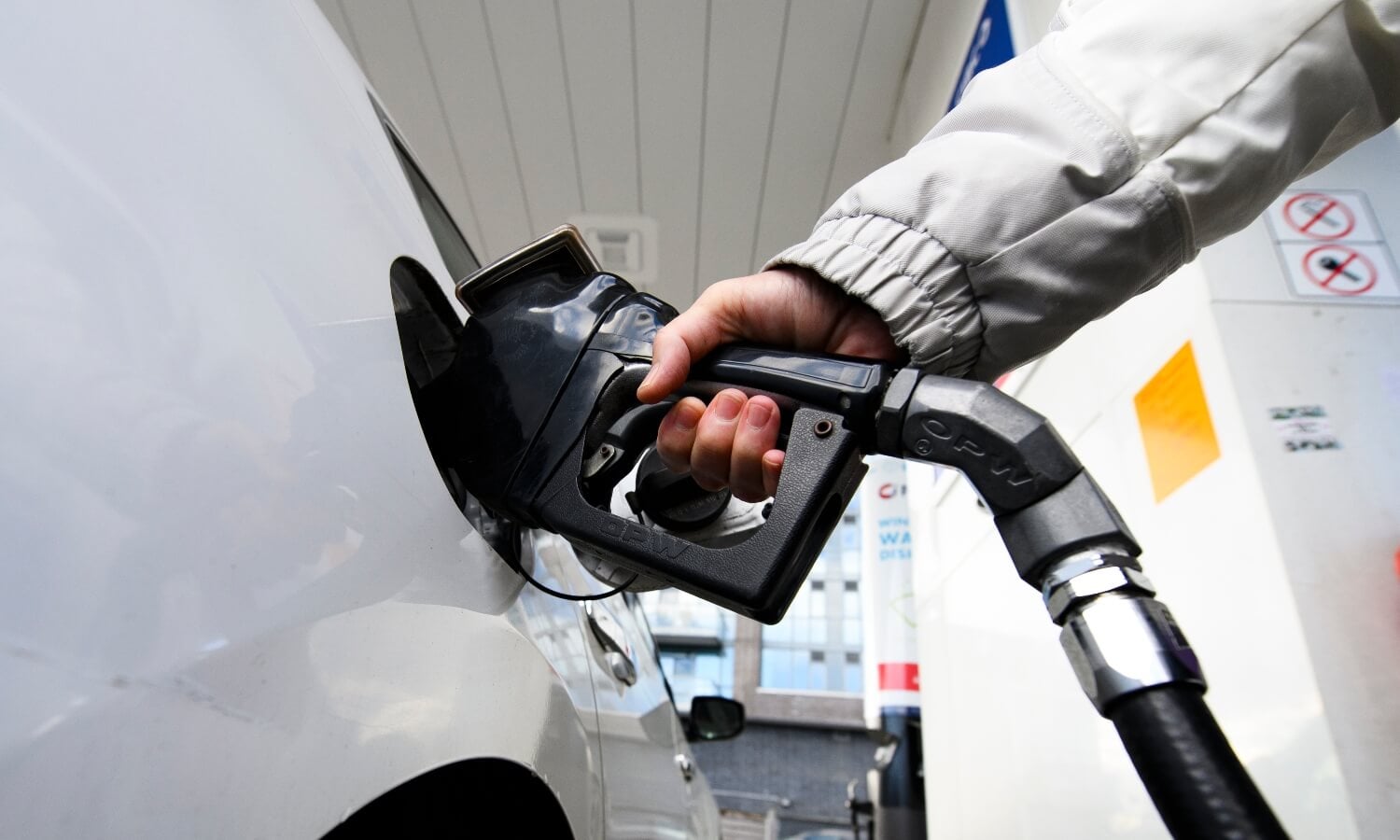
Rising fuel costs have prompted a shift in consumer behavior as households re-evaluate the necessity of private vehicle ownership. While the immediate reduction in fuel expenditures offers a clear incentive, the transition to a car-free lifestyle requires a granular assessment of alternative transportation costs and lifestyle adjustments. The decision to divest from a vehicle involves balancing the elimination of fixed ownership costs against the variable expenses of public transit, ride-sharing, and micro-mobility solutions.
Evaluating Fixed Versus Variable Transportation Costs
The primary financial argument for abandoning a vehicle centers on the elimination of recurring ownership burdens. These include insurance premiums, routine maintenance, depreciation, and financing interest. When these costs are aggregated, they often represent a significant portion of a household budget. However, the removal of these expenses is immediately offset by the need to secure reliable alternatives. The economic efficiency of this transition depends heavily on the density of local infrastructure and the availability of affordable transit options.
For many, the shift is not a simple reduction in spending but a reallocation of capital. The costs of car-free living often manifest in different forms:
- Increased reliance on ride-sharing services for time-sensitive travel.
- Higher frequency of public transit fares and potential subscription costs.
- Occasional rental vehicle fees for long-distance travel or bulk shopping.
- Potential impacts on housing location choices, as proximity to transit hubs often commands a premium.
Sectoral Read-throughs and Consumer Spending Shifts
This trend carries implications for sectors beyond automotive manufacturing. Retailers that rely on high-volume, bulk-purchase models, such as those tracked on the COST stock page, may face challenges as consumer mobility patterns change. If a significant segment of the population shifts away from private vehicle ownership, the convenience of big-box retail locations becomes a friction point. Conversely, urban-centric service providers and last-mile delivery platforms may see increased demand as consumers prioritize accessibility over storage capacity.
AlphaScala data currently reflects a nuanced landscape for consumer-facing equities. COST holds an Alpha Score of 58/100, categorized as Moderate within the Consumer Staples sector. This score accounts for the company's ability to maintain customer loyalty despite broader shifts in consumer mobility and spending habits. As households adjust their stock market analysis and personal budgets to account for changing transportation needs, the resilience of these business models will be tested by their ability to adapt to a less car-dependent consumer base.
The Path Toward Infrastructure Integration
The long-term viability of a car-free economy depends on the evolution of municipal infrastructure. As more individuals opt out of vehicle ownership, the demand for integrated transit networks and expanded micro-mobility lanes will likely intensify. The next concrete marker for this narrative will be the release of municipal transit usage data and subsequent adjustments to urban planning budgets. These figures will provide a clearer picture of whether the current trend is a temporary reaction to fuel price volatility or a structural shift in how households manage their primary transportation assets.