A Lesson in Frictionless Commerce
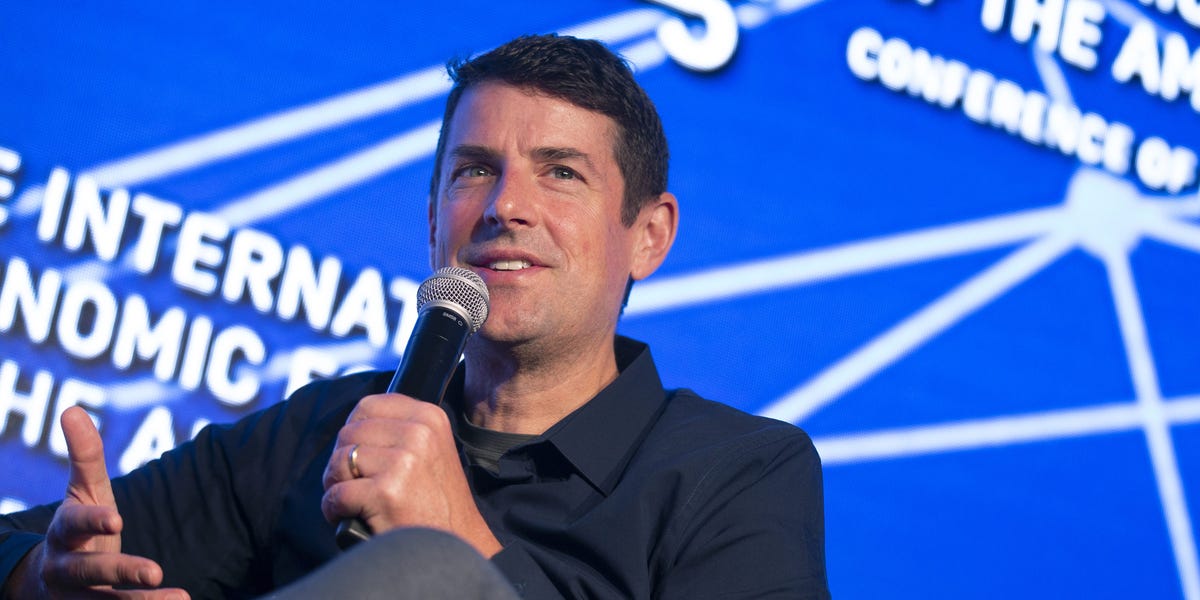
In the early, high-stakes days of Tesla, the company’s leadership team faced an existential challenge: how to sell a premium, high-tech vehicle without the traditional dealership model that had defined the automotive industry for a century. According to Jon McNeill, Tesla’s former President, the answer to streamlining the company’s direct-to-consumer sales process didn't come from Detroit or Stuttgart, but from the unlikely world of fast-food delivery—specifically, Domino’s Pizza.
McNeill recently revealed that he and CEO Elon Musk identified significant friction points in Tesla’s initial online ordering platform. Rather than looking to automotive peers, they analyzed the digital architecture of Domino’s, which had successfully revolutionized the pizza industry by turning online ordering into a seamless, highly engaging experience. By mimicking the user journey of a pizza order, Tesla was able to refine its digital sales funnel and accelerate the adoption of its vehicles.
Solving the 'Complexity Gap'
Tesla’s challenge was unique; unlike a $15 pizza, a vehicle purchase involves complex financing, configuration options, and significant capital expenditure. However, McNeill noted that the principle of reducing cognitive load for the buyer remained the same. “We spotted a problem with the carmaker’s website,” McNeill explained, noting that the original process was clunky and hindered conversion rates.
By simplifying the selection process and creating a more intuitive, click-to-buy interface, Tesla effectively democratized the purchase of electric vehicles. This strategic pivot allowed Tesla to maintain its direct-sales model, bypassing the dealer networks that typically act as intermediaries. For the electric vehicle giant, the move was less about pizza and more about data-driven conversion optimization—a hallmark of Musk’s approach to scaling operations.
Market Implications: Why It Matters for Traders
For investors and market analysts, this anecdote serves as a potent reminder of Tesla’s core competitive advantage: its willingness to cross-pollinate strategies from disparate industries. Tesla has historically functioned more like a software company than a traditional manufacturer, and this focus on the 'Digital Customer Journey' has been a primary driver of its valuation.
For traders, the lesson is clear: Tesla’s ability to minimize friction in its sales cycle is a key metric for evaluating the company's long-term operational efficiency. While automotive manufacturing is capital-intensive, the digital front-end that McNeill and Musk optimized provides higher margins and more direct control over the customer relationship. This efficiency is precisely why Tesla’s margins have historically outperformed legacy automakers, providing the company with the liquidity needed to fund its massive R&D programs.
Scaling the Future
As Tesla continues to evolve—moving from a niche luxury automaker to a mass-market manufacturer—the echoes of these early digital optimizations remain embedded in its DNA. The company’s ability to iterate on its digital infrastructure has allowed it to scale rapidly in global markets, often outpacing traditional competitors who are still tethered to legacy sales systems.
Looking ahead, market participants should continue to monitor Tesla’s digital touchpoints, including its mobile application and integrated ecosystem, as indicators of future growth. If history is any guide, Tesla’s next major operational breakthrough may once again come from an unexpected source, as the company continues to prioritize user-experience design over industry status quo.