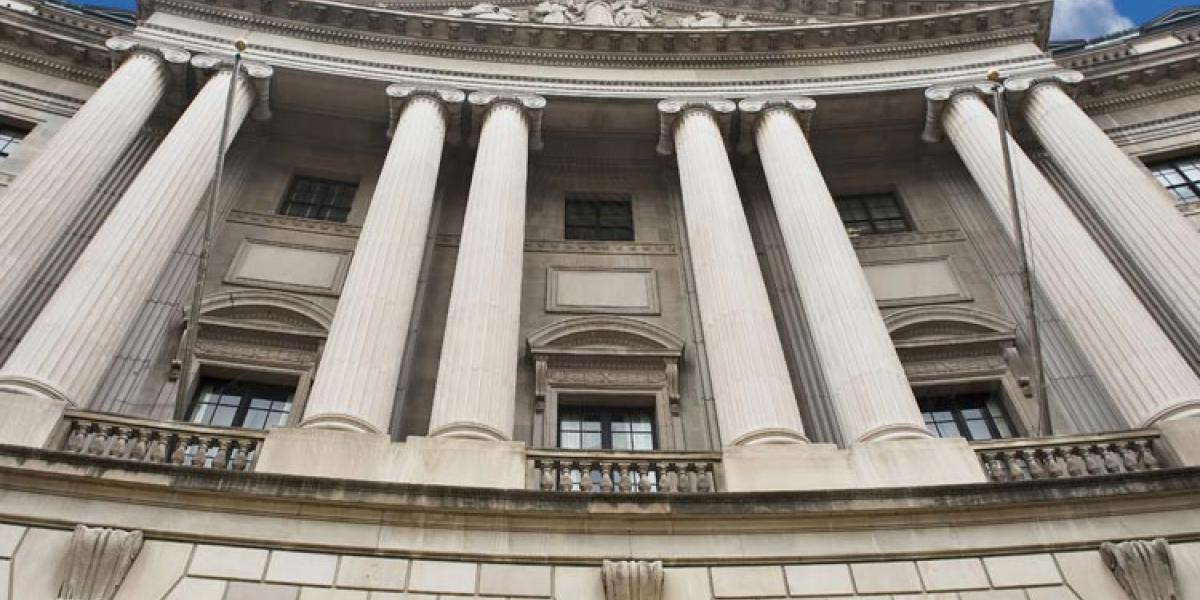
The Bureaucratic Safeguard or a Democratic Deficit?
In a recent discourse that has reignited the perennial debate over the structure of modern governance, The New York Times has put forward a provocative thesis: that the so-called "administrative state"—the vast network of unelected bureaucrats, regulatory bodies, and civil service experts—is not a subversion of democracy, but rather its essential protective layer. As political institutions face increasing polarization, this argument posits that the delegation of authority to specialized agencies serves as a stabilizing force, insulating critical public functions from the short-term volatility of electoral cycles.
For market participants, this debate is far from academic. The administrative state governs the rules of the game for nearly every sector of the economy, from the Federal Reserve’s influence on monetary policy to the EPA’s environmental mandates and the SEC’s oversight of capital markets. Understanding the tension between democratic accountability and bureaucratic expertise is fundamental to assessing regulatory risk and long-term policy predictability.
Defining the Administrative Architecture
At its core, the administrative state comprises the technocratic apparatus that executes the day-to-day business of government. Proponents of the New York Times perspective argue that the complexity of a modern global economy is simply too vast for legislative bodies to manage directly. By empowering agencies with subject-matter expertise, the state ostensibly ensures that decisions regarding public health, financial stability, and national infrastructure are driven by data and technical competency rather than purely partisan incentives.
However, this concentration of power in unelected hands remains a point of intense contention. Critics argue that when governance is delegated to agencies outside the direct control of the ballot box, the link between the governed and the government is severed. This "democratic deficit" is a recurring theme in political risk analysis, as it suggests that policies can shift dramatically based on administrative interpretation rather than legislative mandate, creating a unique form of regulatory uncertainty for investors.
Market Implications: Navigating Regulatory Risk
For the professional trading community, the administrative state is a double-edged sword. On one hand, the stability provided by career civil servants offers a degree of continuity. Regardless of the political party currently holding the White House, the fundamental regulatory frameworks—such as the Basel III capital requirements for banks or the FDA’s drug approval processes—remain relatively consistent, allowing for long-term modeling and risk assessment.
Conversely, the pivot toward an expansive administrative state has increased the impact of executive branch appointments. When policy is driven by agency rulemaking, the ideological leanings of agency heads can result in sudden shifts in the regulatory environment. Traders have seen this firsthand in sectors like energy and technology, where shifts in administrative priorities can drastically alter the profitability of entire business models overnight. The challenge for investors is to distinguish between "noise"—political rhetoric—and "signal"—actual shifts in regulatory enforcement that carry weight in the markets.
The Path Forward: What Investors Should Watch
As we look ahead, the interplay between the legislative, judicial, and administrative branches will likely remain a focal point for institutional strategy. Several key indicators should remain on the radar for those tracking the health of the administrative state:
- Judicial Challenges: Keep a close eye on court rulings that seek to limit the "Chevron deference" or similar doctrines that grant agencies broad interpretive power. Any scaling back of these powers would necessitate a fundamental repricing of regulatory risk.
- Legislative Oversight: Monitor efforts by Congress to claw back authority through increased oversight or budget restrictions. A shift toward more direct legislative control would signal a move away from the current technocratic model.
- Policy Consistency: Observe whether agency-driven initiatives align with long-term macroeconomic goals or if they increasingly diverge from legislative intent, as this gap is often a precursor to market volatility.
Ultimately, whether one views the administrative state as a bastion of democratic stability or an overreach of unelected power, its role in the global financial landscape is undeniable. For traders and investors, the goal is not to weigh in on the political philosophy, but to quantify the impact of this governance style on market efficiency and risk profiles. In an era of increasing complexity, the "administrative state" remains the primary engine of modern policy—and therefore, a primary driver of the risks and opportunities that define our portfolios.