The Geography of a Global Phenomenon
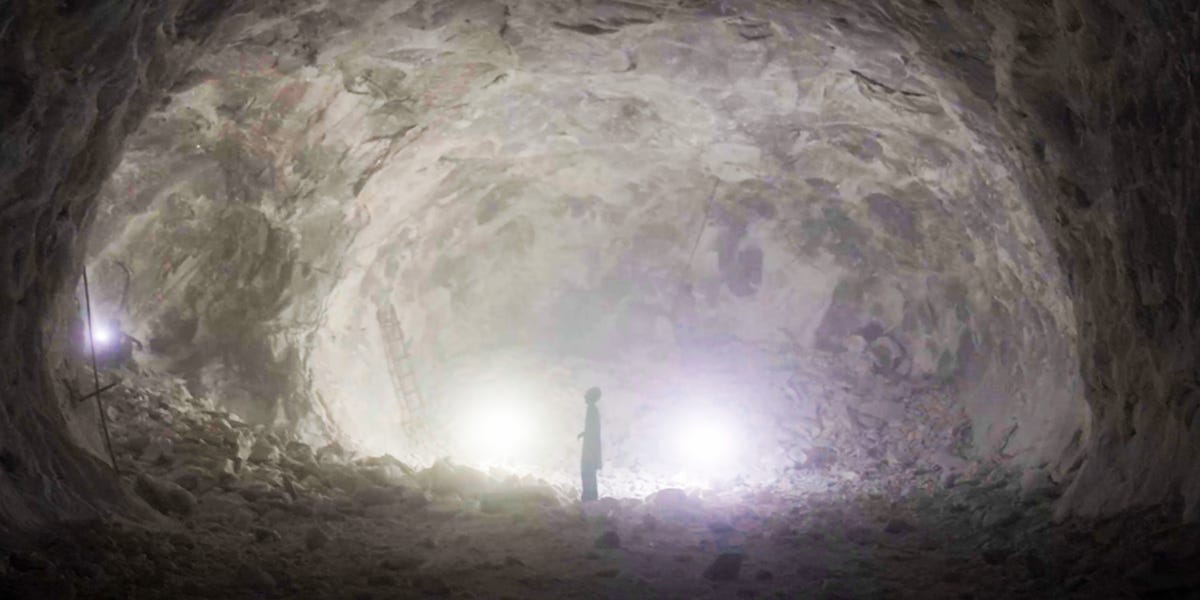
In the premium culinary and wellness sectors, few commodities command the aesthetic and price premium of Himalayan pink salt. Yet, a geographical irony sits at the heart of this booming industry: the world’s largest extraction point for this iconic product is not located in the Himalayas at all. Instead, the Khewra Salt Mine, situated in the Punjab region of Pakistan, serves as the primary engine behind a global market now valued at approximately $500 million.
While consumers equate the "Himalayan" branding with the high-altitude peaks of Nepal or northern India, the geological reality is that these deposits are part of the Salt Range, a massive fold-and-thrust belt located south of the Himalayas. Despite this discrepancy, the branding power of the "Himalayan" label has proven sufficient to sustain a massive, multi-faceted trade that encompasses everything from high-end table salt to industrial-grade spa products and decorative lamps.
Market Dynamics and Valuation
The valuation of the pink salt market at $500 million reflects a significant shift in consumer preferences toward 'natural' and 'unrefined' food additives. Traders and investors tracking the commodities space have noted that while common table salt remains a low-margin, high-volume commodity, pink salt occupies a 'premium-plus' niche.
This pricing power is driven by the mineral content—specifically the trace iron oxide that imparts the signature pink hue—and a perception of purity that resonates with the health-conscious demographic. For supply chain analysts, the Khewra mine is a textbook example of how effective branding can decouple a product from its precise geographic origin, effectively turning a localized geological formation into a global luxury staple.
Implications for Commodity Traders
For those monitoring the commodities sector, the pink salt market presents a unique case study in inelastic demand within the niche food space. Unlike volatile energy or industrial metals, the salt market is characterized by steady, predictable growth. However, the reliance on a singular, concentrated source—the Khewra mine—introduces geopolitical and logistical risks.
Any disruption to the supply chain within Pakistan, whether through infrastructure challenges, regulatory updates regarding export quotas, or regional instability, would have an immediate impact on wholesale pricing globally. For retail-focused investors, the market is currently fragmented, with a wide array of distributors and repackagers capturing the bulk of the margin between the mine-gate price and the final retail cost.
The Branding Gap and Future Outlook
As the market matures, the primary concern among industry observers is the sustainability of the "Himalayan" branding. As transparency increases in global supply chains, the discrepancy between the name and the actual origin in the Punjab region could invite regulatory scrutiny regarding labeling laws.
Looking ahead, traders should watch for potential consolidation among major distributors. As the $500 million market continues to scale, institutional players may seek to acquire smaller, niche suppliers to streamline the supply chain from the Khewra mine to international markets. Furthermore, any shifts in environmental regulations surrounding mining practices in Pakistan could serve as a catalyst for price adjustments in the coming fiscal quarters. The ability of the industry to maintain its premium positioning while navigating these potential headwinds remains the key variable for long-term growth.