Commodities● Neutral
Thai Fishing Fleet Grounded as Fuel Costs Double Amid Conflict
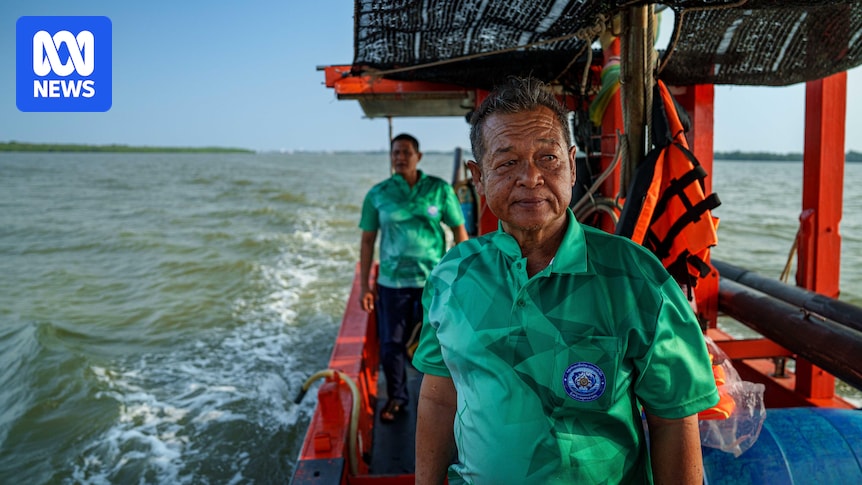
Fuel prices have surged following Middle East volatility, forcing thousands of vessels to dock. Expect rising global seafood prices and export deficits.
Continue with
A Ripple Effect from the Red Sea
The geopolitical volatility currently gripping the Middle East is no longer confined to regional trade routes or maritime security concerns; it is now manifesting in a severe operational crisis for one of the world’s most significant seafood exporters. Thailand, a nation whose fishing industry serves as a crucial pillar of its economy and a vital component of global protein supply chains, is facing a localized catastrophe as tens of thousands of vessels remain docked, rendered non-operational by an unprecedented surge in fuel costs.
The trigger for this industrial paralysis is the sharp escalation in diesel prices following the outbreak of conflict involving Iran. According to industry reports, fuel costs for the Thai fleet have more than doubled since the onset of the hostilities, pushing the operational overhead for small-scale operators and large commercial fleets alike into unsustainable territory. For an industry that operates on razor-thin margins, this price shock has effectively grounded the fleet, leading to what market observers describe as 'big trouble' for the nation’s maritime sector.
The Economics of Stranded Assets
In the fishing industry, diesel is the primary input cost, often accounting for the majority of a vessel’s total operating expenditure. When fuel prices double, the break-even point for a single voyage shifts drastically. For the average Thai fishing vessel, the current price environment means that the cost of fuel to reach lucrative fishing grounds now exceeds the potential market value of the expected catch.
This has forced a mass withdrawal of labor and capital from the seas. Tens of thousands of vessels—ranging from artisanal, small-scale wooden boats to massive, industrialized commercial trawlers—are currently sitting idle in ports across the Thai coastline. The result is a dual-impact scenario: a collapse in domestic fishing employment and a looming supply shortage that threatens to inflate seafood prices in international markets.