Thailand SEC Sets February 2027 Deadline for Crypto Travel Rule
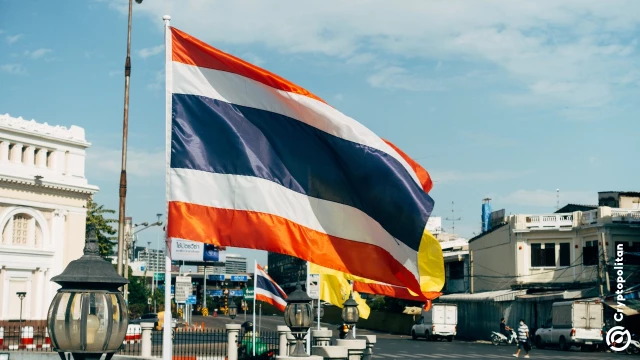
Thailand's SEC has given digital asset operators until February 27, 2027 to implement Travel Rule systems. The rule requires identifying sender and receiver in every crypto transfer.
Thailand’s Securities and Exchange Commission has given digital asset operators until February 27, 2027, to build the systems needed to comply with its finalised version of the crypto Travel Rule. Operators that miss the deadline will lose their right to do business in the country.
The rule, published on September 2 after two rounds of public consultation, requires licensed exchanges and other digital asset businesses to identify both the sender and the receiver in every crypto transfer. Operators must also carry out due diligence on any intermediary that handles funds during a transfer and on the receiving firm.
Transaction data must be retained for at least five years. The first two years of records must be kept in a form that regulators can access on demand, the SEC said.
Self-custodial wallets present the most challenging compliance hurdle, the SEC acknowledged. When a customer sends or receives crypto from a self-hosted wallet, the operator must verify that the customer owns or controls that wallet. Self-hosted wallets do not carry the know-your-customer data that custodial wallets provide at registration.
SEC Secretary-General Pornanong Budsaratragoon said the rules are meant to “reduce the risk of digital asset operators being used for money laundering and terrorist financing.” The commission frames the exercise as aligning Thai oversight with the Financial Action Task Force’s Recommendation 16, which originated the Travel Rule for crypto. The FATF estimated that 83% of the jurisdictions it surveyed had already passed Travel Rule legislation by 2026, making Thailand a late mover.
The announcement lands amid a broader Thai regulatory push. In the same week, the SEC proposed allowing intermediaries to offer retail investors access to certain overseas crypto derivatives and advanced draft rules for spot Bitcoin and Ether exchange-traded funds. Neighbouring South Korea is on a parallel timeline, with its own expanded Travel Rule set to take effect the same month.
The SEC drafted the rules alongside the Anti-Money Laundering Office and a government subcommittee set up to link financial data for spotting suspicious transactions. The two agencies issued interim rules while AMLO prepares its own under the anti-money laundering law.
Operators have nearly six months from the notification date to implement the technical and procedural changes needed to transmit, receive and monitor transaction information.
Drafted by a large language model from the source reporting linked above, then screened by automated publishing checks. It is not read by a journalist before publication. Some articles cite our Alpha Score. Verify prices and figures against the original source. Educational coverage, not personalized advice.