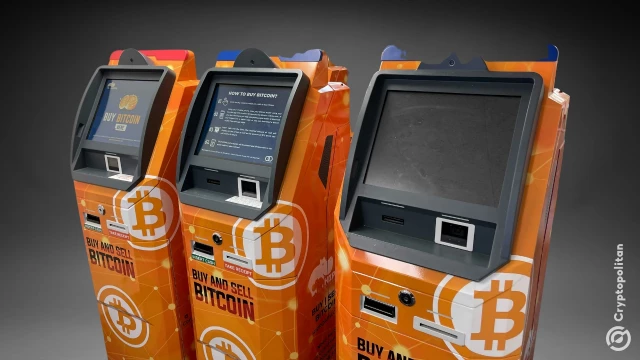
About 1,200 people in Texas lost a combined $56.8 million to cryptocurrency kiosk scams last year, according to FBI complaint data. That made Texas the top state for such losses, more than double Florida’s total.
The machines look like ATMs and sit inside gas stations and convenience stores. Victims deposit cash, which converts to crypto and is sent instantly to a wallet the scammers control. The Texas Financial Crimes Intelligence Center says victims have 36 to 48 hours to recover funds. Clawbacks rarely succeed.
Scammers impersonate police officers, court officials, or utility companies. They claim the target missed jury duty or owes a fine. They stay on the line while the victim drives to a kiosk and deposits cash. One 72-year-old Austin woman got a call from a fake Travis County officer who texted her court papers with a real case number and her home address. She did not fall for it. Others lost nearly $100,000. In San Antonio, nearly 38% of identified victims were 66 or older; the FBI reported that two-thirds of crypto ATM fraud victims are over 60.
Texas does not license or monitor the machines. No agency keeps a count of how many are in the state. Adam Colby, who runs the Texas Financial Crimes Intelligence Center, told a House committee in May that the machines “do not do anything useful, and no sane person would choose to use them except to hide illegal funds.”
Some law enforcement officers have taken direct action. Sheriff Chuck Havard of Jasper County used a power tool to cut open a Bitcoin Depot kiosk in June after a family reported a $25,000 scam. The machine returned about $32,000 to his office. Bitcoin Depot later sued the county and settled, following a similar seizure in McLennan County in 2023 after an 82-year-old woman lost $15,000.
San Antonio logged about $39 million in losses across 660 reports from January 2024 through April 2026. On July 1, the city started requiring bilingual English and Spanish warning signs at its 193 kiosks. Operators that skip the notices face fines of $100 to $500 per machine per day. Smith County Sheriff Larry Smith is lobbying state legislators for a flat-out ban after an elderly woman lost $13,000 to an inmate running the scam from a Georgia prison. Indiana, Tennessee, and Minnesota already banned the machines statewide.
Bitcoin Depot had more than 9,000 kiosks across North America. The company filed for Chapter 11 bankruptcy in May after first-quarter 2026 revenue fell about 50% year over year. The Massachusetts attorney general sued the company in February.
Michael Levine, chief felony prosecutor for the Cyber and Financial Crimes Division of the Harris County district attorney’s office, put it plainly: “Crypto is a wonderful, amazing, horrible, terrible invention. The advantage of crypto is you can move money much faster without supervision.”