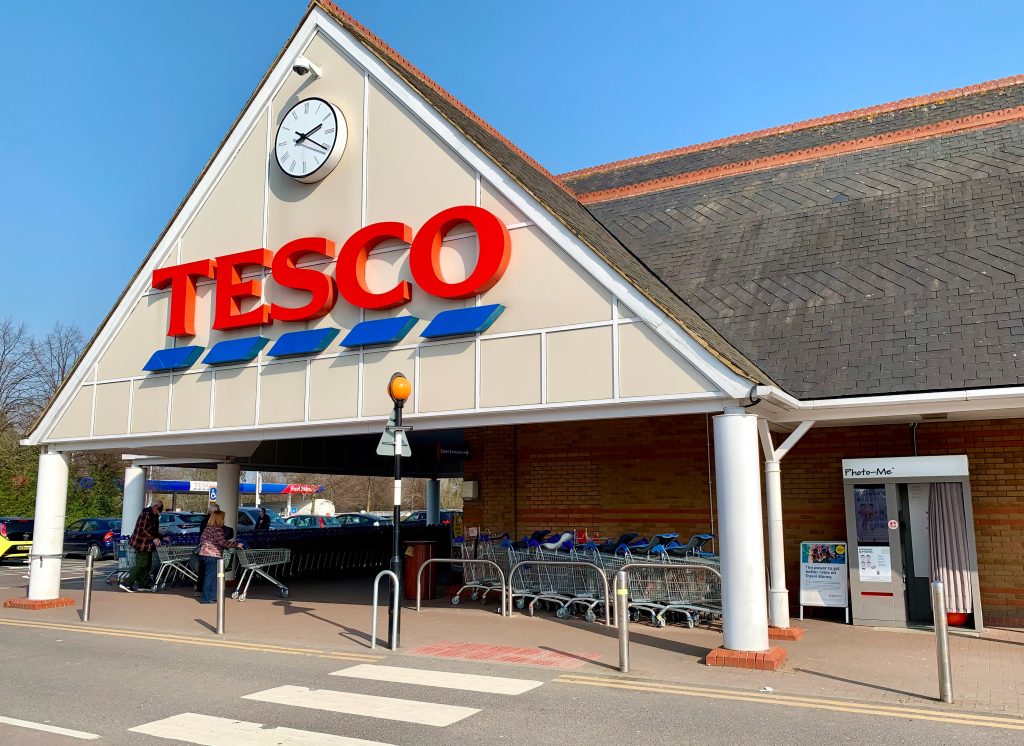
Tesco is currently defending a high-stakes equal pay claim at an employment tribunal in Reading, arguing that a ruling in favor of store workers would ignore economic reality and inflict serious damage on the company's financial structure. The core of the dispute centers on whether store staff, who are predominantly female, should receive pay parity with warehouse employees, who are predominantly male and typically command higher wages. For the retail sector, this case represents a significant transmission risk for operating margins that extends beyond a single supermarket chain.
From a market perspective, the naive interpretation focuses on the immediate legal costs or a potential one-time settlement. However, the better read involves the structural shift in labor cost accounting. If the tribunal mandates pay parity, it effectively forces a revaluation of labor across the entire retail industry. This would necessitate a permanent upward adjustment in the cost of goods sold or a compression of net margins, as retailers would struggle to pass these increased wage costs onto price-sensitive consumers in a competitive environment. The market must now price in the risk of a precedent that could force a sector-wide wage floor adjustment.
This legal battle highlights the vulnerability of large-scale retail models that rely on bifurcated pay structures between front-end and back-end operations. Should the tribunal rule against the company, the transmission path to equity valuation is direct. Higher labor costs would likely lead to a reduction in free cash flow, potentially impacting dividend sustainability or capital expenditure plans. Investors should monitor how this ruling influences the broader market analysis regarding labor-intensive sectors, particularly as wage inflation remains a persistent variable in corporate earnings calls.
Beyond the immediate balance sheet impact, the case serves as a bellwether for institutional labor relations. A ruling for the claimants would likely trigger similar litigation across the retail landscape, creating a systemic risk for firms with comparable operational structures. The market is currently underestimating the potential for a cascading effect on industry-wide labor contracts. If the tribunal finds that the roles are of equal value, the resulting wage equalization would fundamentally alter the operating leverage of the business. This would force a reassessment of long-term profitability targets for major retailers, as the historical reliance on lower-cost store labor would no longer be a viable strategy for maintaining margin stability.
The next decision point rests on the tribunal's upcoming findings, which will determine whether the current pay disparity constitutes a violation of equal pay standards. Until a final ruling is issued, the uncertainty surrounding the potential liability will likely act as a drag on sentiment, keeping the stock sensitive to any procedural updates from the tribunal proceedings in Reading.