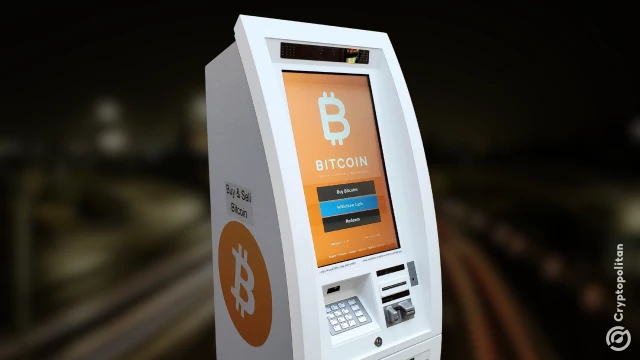
A federal judge in Tennessee denied a request to block the state's new ban on crypto ATMs, allowing the law to take effect while a constitutional challenge proceeds. Tennessee Attorney General Jonathan Skrmetti announced the decision July 7. Public Chapter 766 makes installing, operating, or allowing a virtual currency kiosk a Class A offense. The court found the plaintiffs, CoinFlip operator GPD Holdings and kiosk owner Charles Wernicke, did not meet the standard for emergency relief. Judge Travis McDonough ruled the public interest in consumer protection outweighed the economic harm claimed by the operators.
The ruling leaves the ban in place. CoinFlip's constitutional claims remain pending. The judge said the plaintiffs had not shown they were likely to succeed on the merits. Skrmetti said after the decision that crypto ATMs are tools for scammers targeting vulnerable Tennesseans and are rarely used for legitimate purposes. CoinFlip CEO Ben Weiss argued in court filings that the kiosks serve unbanked customers and those who prefer cash. The company said a ban would damage relationships built over years.
Indiana was the first state to ban crypto ATMs outright. Tennessee and Minnesota followed. About 20 states have some form of regulation, including transaction caps, licensing, and fraud reimbursement requirements, according to the American Bankers Association citing AARP. FBI data for 2024 shows victims lost $247 million in crypto ATM scams, many of them older adults. Texas reported $56.8 million in losses, the highest of any state.
Bitcoin Depot, one of the largest operators, filed for Chapter 11 bankruptcy earlier this year. The company's stock trades under the ticker BTM. Regulators in multiple states have sued or introduced new measures against kiosk operators. The industry argues that the machines themselves do not generate fraud. Operators point to transaction monitoring, customer identification, and fraud prevention tools they have put in place.
The debate has reached Congress. Representatives Sean Casten and María Elvira Salazar introduced the Stop Crypto ATM Scams Act. The bill targets fraud at kiosks. Some state lawmakers have called for outright bans rather than stricter regulation. New Jersey Senator Paul Moriarty told The Jersey Vindicator that crypto ATMs have no legitimate purpose and that operators profit from scammed people.
The Tennessee law remains in effect. The next hearing in the constitutional challenge has not been scheduled.