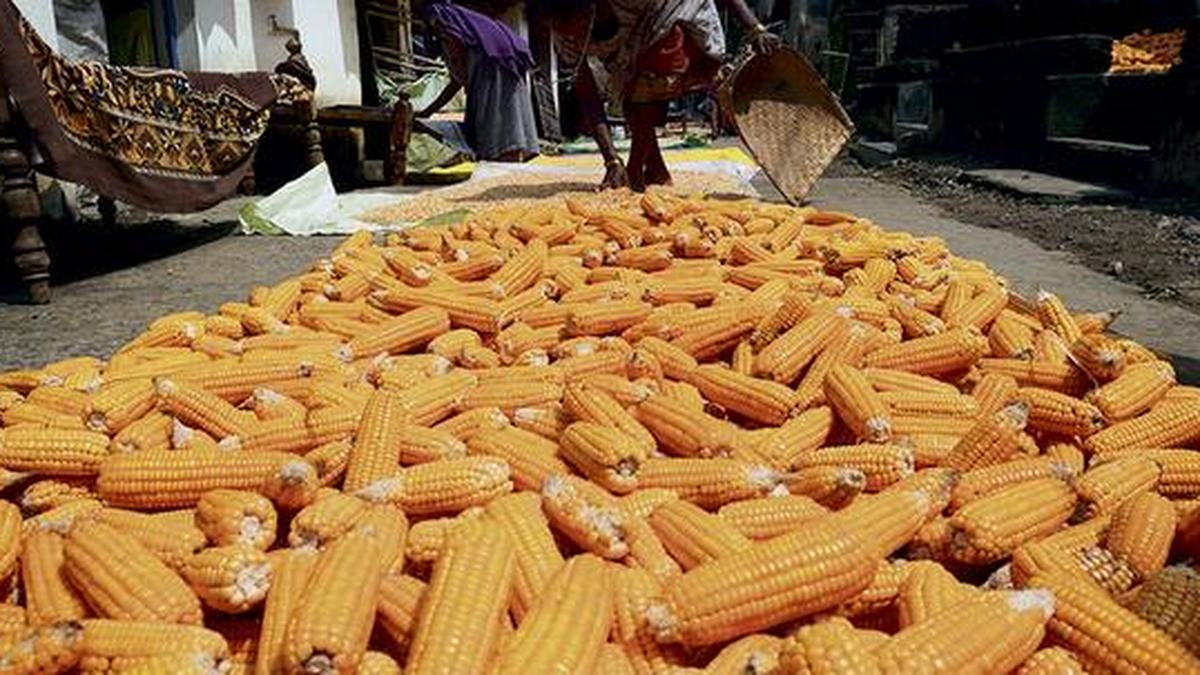
The Telangana government has initiated a state-led procurement program for maize, targeting a total volume of 15 lakh tonnes. This intervention follows a period where market prices for the grain consistently traded below the established minimum support price, creating significant financial pressure for local agricultural producers. By committing to purchase approximately one-third of the total estimated harvest, the state aims to stabilize regional pricing and prevent further erosion of farmer income.
Impact on Agricultural Supply Chains
The decision to step into the market as a primary buyer alters the immediate supply dynamics for maize within the region. When state entities absorb a large portion of the harvest, the volume of grain available to private commercial buyers and industrial processors decreases. This shift often forces private buyers to adjust their procurement strategies to compete with the state-guaranteed price floor. For companies involved in the processing or distribution of agricultural commodities, this intervention creates a localized supply constraint that may lead to higher input costs in the short term.
Broader Economic Read-Through
Agricultural policy shifts of this nature often serve as a bellwether for regional inflationary trends. When governments intervene to support commodity prices, the cost of goods derived from those commodities, such as animal feed or processed food products, can experience upward pressure. This development aligns with broader trends in consumer markets where shifts in credit delinquency and borrowing behavior, as noted in recent Credit Delinquency Decline Signals Shift in Consumer Borrowing Behavior, indicate that households are managing tighter budgets. If the cost of essential raw materials rises due to state-led price floors, the margin pressure on consumer-facing firms could intensify.
AlphaScala Data Context
While this procurement action is specific to the agricultural sector, the broader consumer cyclical landscape remains sensitive to such supply-side interventions. For instance, companies like Hasbro, which is currently classified as Unscored on our platform, must navigate the indirect effects of shifting consumer purchasing power as food and energy costs fluctuate. Detailed tracking of these trends is available on the HAS stock page for investors monitoring the consumer discretionary space.
Next Steps for Market Monitoring
The effectiveness of this procurement program will depend on the speed of implementation and the logistical capacity of state agencies to handle the 15 lakh tonnes. Market participants should monitor the next set of state agricultural reports to determine if the procurement volume is adjusted upward or if private sector pricing begins to converge with the minimum support level. The ultimate test will be whether this intervention successfully clears the surplus without creating long-term storage or distribution bottlenecks that could lead to future price volatility. The next concrete marker will be the release of regional inventory data, which will reveal the extent to which the state has successfully absorbed the excess supply from the current harvest cycle.