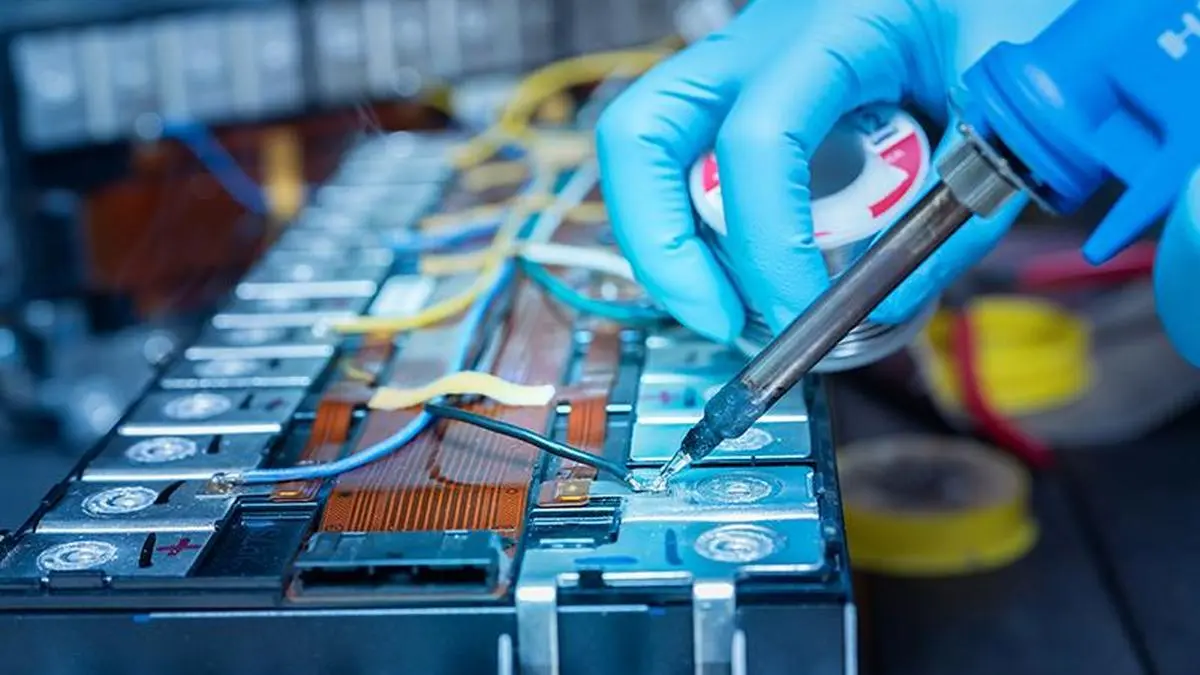
Tata Group's battery unit Agratas Energy Storage Solutions is building a pilot production line for lithium iron phosphate cells using its own technology, people familiar with the matter said. The pivot comes after executives concluded that a technology licensing deal with a Chinese firm is effectively impossible given Beijing's tighter export curbs.
The pilot line is at the company's upcoming battery factory in Sanand, Gujarat. A team of engineers from India, South Korea and China will refine the manufacturing processes and validate the initial batch of LFP cells before commercial production begins, the people said.
The move is a deliberate strategy shift. Several Indian firms, including Reliance Industries and JSW Group, have struggled to access cell-making technology after licensing deals faltered under China's restrictions.
Developing LFP cells in-house will add costs and time compared with Agratas' other cell type, nickel manganese cobalt, or NMC. For NMC, the company licensed mature technology from Japan's Automotive Energy Supply Corp., a unit of Envision Energy International. That allowed Agratas to skip early development stages.
LFP batteries are cheaper but offer less range than NMC. They are better suited for stationary storage and grid-scale applications, which Agratas plans to tap as India pursues ambitious renewable energy targets.
Agratas is also investing more than $400 million in a research and development center in Bengaluru focused on LFP and lithium manganese iron phosphate technologies, Bloomberg reported in May.
The Sanand facility will begin producing NMC battery cells by early 2027. Agratas' factory in Somerset, England, is scheduled to start production around the middle of next year. Those plants will initially supply cells to Tata Motors' UK-based Jaguar Land Rover for its upcoming Range Rover Electric SUV.
The tighter curbs from Beijing have ripple effects across global markets, pushing companies to accelerate local production.