Indices● Neutral
TASI's 0.2% Holiday Gain Hides 135% Petro Rabigh Rally
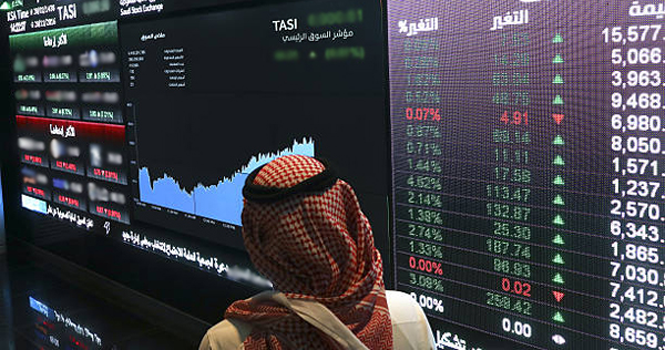
TASI's 0.2% gain obscures a 135% Petro Rabigh surge and 74% Naseej drop. Fed hold and Middle East conflict drive extreme sector rotation inside the index.
Continue with
Saudi Arabia's benchmark TASI added 23 points or 0.2% between the 2025 and 2026 Eid Al-Adha holidays, closing at 11,499 on May 21. That reading was 494 points above the 11,005 level from the corresponding period last year. Since the start of 2026 through the holiday, the index gained 5.1% (537 points).
Key insight: The 0.2% gain is the arithmetic average of a 135% winner and a 74% loser.
The two macro forces that dominated the period – the Middle East conflict involving the US, Israel, and Iran, and the Federal Reserve holding rates at 3.50%–3.75% – did not push the index in a single direction. Instead, they triggered a violent sector rotation inside the same benchmark. A trader who only watched the index level would miss the entire story.
The Macro Transmission Path
Geopolitical Risk Drives Oil-Exposed Names
The Middle East escalation disrupted shipping lanes and raised crude volatility. That directly benefits integrated downstream players that capture wider refining margins when supply routes are at risk. Petro Rabigh, a petrochemical and refining joint venture between Saudi Aramco and Sumitomo Chemical, surged 135%. Electrical Industries rose 104% on infrastructure spending resilience. Rasan gained 88% and East Pipes added 68%. Each of these names relies on either direct oil exposure or government-linked capital projects that accelerate during conflict.
The Fed Hold Squeezes High-Duration Assets
The Fed's pause at 3.50%–3.75% kept the dollar elevated and reduced the appetite for long-duration, low-cash-flow equities. Naseej lost 74%, the steepest index decline. Saudi Fisheries and Nice One each fell 60%. These high-growth, lower-visibility names are the first to be sold when the risk premium rises and the cost of capital stays high. The same mechanism hit ACWA Power (−31%), a renewable-energy and water desalination player whose capital-intensive projects require cheap debt.
Inside the Blue-Chip Split
Commodity-Linked Names Lead
Among the 12 blue chips that advanced, the pattern is clear: direct exposure to commodity disruption or banking stability.