Back to Markets
Commodities● Neutral

Tanker Traffic Diverts as U.S. Prepares Strait of Hormuz Blockade

April 13, 2026 at 02:45 AMBy AlphaScalaSource: thehindubusinessline.com
Tanker Traffic Diverts as U.S. Prepares Strait of Hormuz Blockade
CMBT.BR

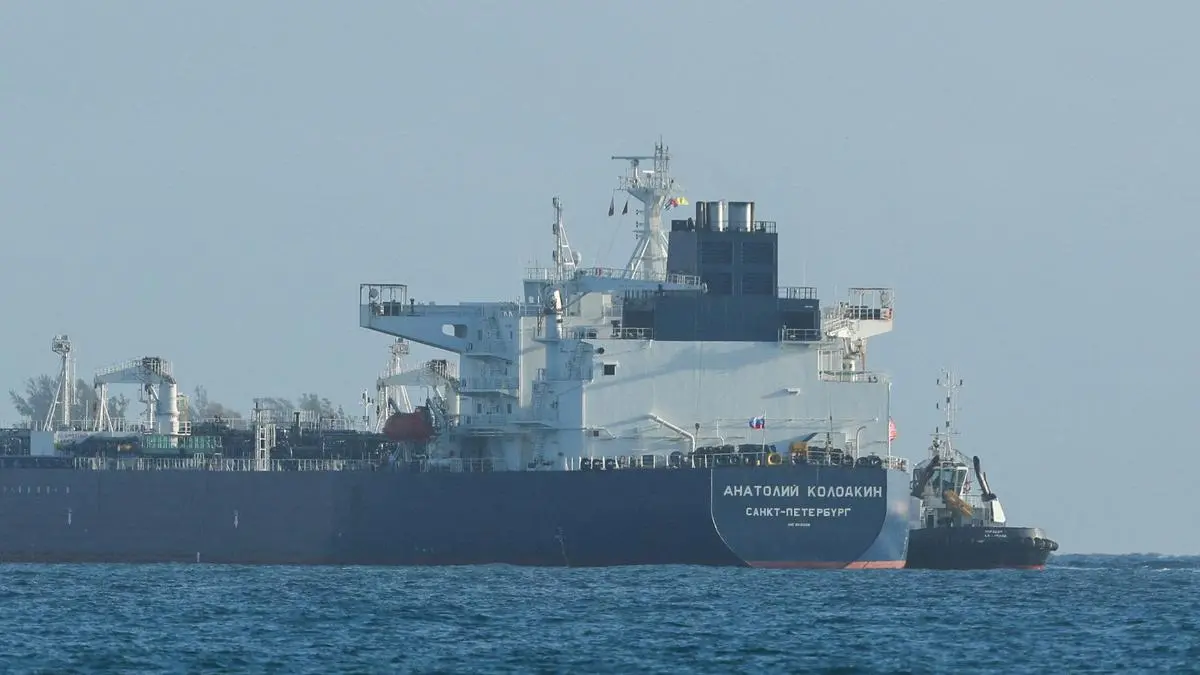
Crude oil tankers are rerouting away from the Strait of Hormuz as U.S. forces prepare to enforce a total blockade on Iranian ports starting Monday, sparking concerns over global energy supply security.

Escalating Geopolitical Tensions Disrupt Energy Logistics

Global energy markets are bracing for significant volatility this week as crude oil tankers begin wide-scale diversions away from the Strait of Hormuz. The strategic waterway, which serves as the world’s most critical maritime chokepoint for petroleum transit, is effectively being sidelined by commercial shipping operators ahead of a scheduled U.S.-led blockade of Iranian ports.

The shift in maritime patterns follows an official announcement confirming that U.S. naval forces are set to enforce a comprehensive blockade on all maritime traffic entering and exiting Iranian ports beginning Monday. This maneuver represents a dramatic escalation in regional tensions, forcing energy traders to rapidly reassess supply chain risk premiums and the viability of traditional shipping routes.

The Strategic Significance of the Strait

The Strait of Hormuz is more than a geographic chokepoint; it is the jugular vein of the global oil market. Approximately 20% of the world’s total petroleum liquids consumption passes through this narrow passage daily. Even a temporary disruption in flow, or the forced rerouting of tankers, creates immediate upward pressure on freight rates and complicates the logistics of global energy distribution.

For traders, the primary concern is not merely the immediate loss of Iranian exports, but the broader impact on insurance premiums and transit times for all tankers operating in the Persian Gulf. As vessels steer clear of the area, the industry anticipates a tightening of available tanker capacity, which historically leads to localized spikes in crude oil pricing.

Market Implications and Trader Strategy

Market participants should prepare for significant intraday swings in crude oil benchmarks. The combination of potentially constrained supply and the psychological impact of a naval blockade typically triggers a flight to quality. Traders are currently monitoring the spread between Brent and WTI, as supply disruptions in the Middle East disproportionately impact European and Asian markets that rely heavily on Persian Gulf exports.

Beyond the raw commodity price, energy equities—specifically those with upstream exposure in the region—are likely to face heightened sensitivity. Historically, periods of naval blockade announcements have led to wider bid-ask spreads in the energy futures markets, necessitating a refined focus on risk management and liquidity preservation.

What to Watch Next

The implementation of the blockade on Monday serves as the primary inflection point for the week. Market analysts are looking for signs of how Iranian forces respond to the naval presence, as well as any diplomatic interventions that might mitigate the duration of the closure. Furthermore, global supply chain managers will be tracking satellite data to see if the diversion of tankers leads to a measurable backlog at alternative loading terminals, which could exacerbate the upward pressure on energy prices in the coming sessions.