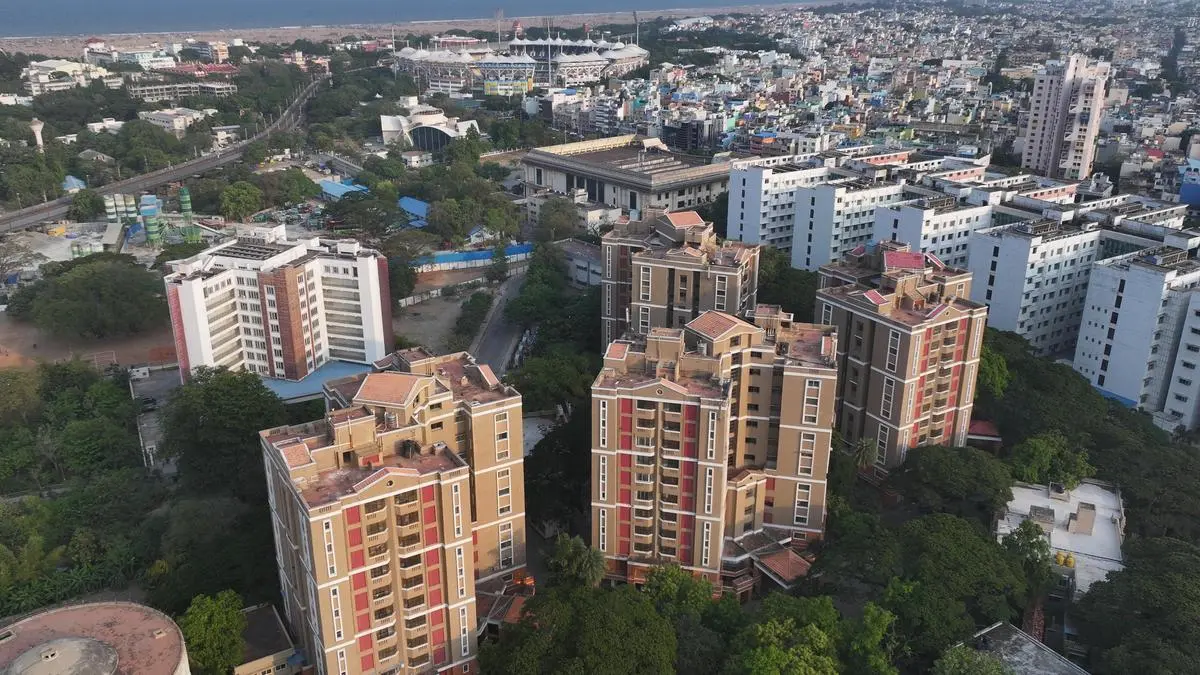
Chennai developers save 30–45 days on high-rise approvals after Tamil Nadu lets CMDA issue permits directly, cutting a ministerial review layer that added ₹30–₹40 per sq ft in costs.
Chennai builders just got a month back on every high-rise application. Tamil Nadu amended its building rules this week to let the Chennai Metropolitan Development Authority grant or reject planning permission for high-rise buildings without sending the file to the state government. The change cuts 30 to 45 days off the approval timeline, according to real estate industry sources.
The reform targets a bottleneck developers have complained about for years. After the CMDA's technical panel finished its review, the file had to go to the relevant minister for a separate government order. That step added weeks with no technical value, industry executives said. The new rule stops that referral at the CMDA desk.
Cost savings follow. Developers estimated the extra bureaucratic layer added ₹30 to ₹40 per square foot in carrying costs, including interest on land and construction debt during the waiting period. For a large project spanning months of construction financing, a 45-day delay compounds meaningfully on project internal rate of return.
Haresh Kishor, managing director at KG Foundations, called the reform a "red tape killer" and said the savings come mainly in time, interest cost, holding cost, and uncertainty. In large projects, even one month saved has a meaningful impact on project IRR and funding cost, which eventually gets passed onto the end customer, he said.
The state amended the Tamil Nadu Combined Development and Building Rules (TNCDBR), 2019. Previously, high-rise proposals required scrutiny by a designated panel and then a referral to the state government for final approval. The CMDA had requested the change. The government reconstituted the scrutiny panel and eliminated the state-government step in the same amendment.
Pradyumna Krishnakumar, executive director at Brigade Group, said the change simplifies the process and favours a quicker turnaround time for HRB development projects in the city, effectively bypassing the previous lengthy process of multi-layered government approvals. Builders can now execute projects more closely aligned with shifting customer requirements and stipulated deadlines, he added.
Mehul H Doshi, president of CREDAI Chennai, pointed to a secondary benefit: during election periods, the model code of conduct would freeze government orders entirely, stranding approvals at the ministerial stage. The new rule eliminates that risk. Since the CMDA's technical scrutiny was thorough, he said, sending the same file to the government added no value.
For the Chennai market, the change matters most for large mixed-use and residential towers where approval timelines previously added 12 to 18 months from application to shovels. Developers of those projects carry land debt and construction financing through the wait. Every month shaved off that cycle reduces the interest burden that eventually gets capitalized into asking prices.
The reform applies to the Chennai Metropolitan Area. Other metro authorities in Tamil Nadu are not covered by this specific rule change.
Prepared with AlphaScala editorial tooling from the source reporting linked above. Indexable analysis may include a cited Alpha Score value. Publishing checks screen each story before release. Educational coverage, not personalized advice.