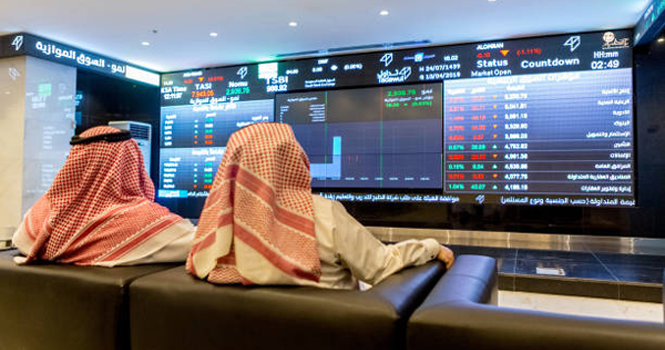
Market Activity on the Saudi Exchange
The Saudi Exchange (Tadawul) recorded two negotiated deals totaling SAR 6.1 million on April 14. These transactions occurred outside the standard order book, allowing investors to execute large trades at agreed prices without affecting the immediate market price.
Negotiated deals typically involve institutional players or significant shareholders adjusting their positions. Traders often monitor these movements to gauge sentiment among large-scale participants. For those tracking broader market analysis, such volume spikes can provide clues regarding liquidity and large-block interest in specific equities.
Breakdown of the Deals
The trades centered on two specific entities: Taiba Investments Co. and Anaam International Holding Group. Below is the breakdown of the deal values:
| Company | Deal Value (SAR) |
|---|
| Taiba Investments Co. | SAR 3.55 million |
| Anaam International Holding Group | SAR 2.55 million |
Understanding Negotiated Deals
These transactions do not follow the typical price discovery process seen in the main session. Instead, they are private arrangements between two parties that are subsequently reported to the exchange.
"Negotiated deals allow for large-scale rebalancing while minimizing slippage for the participants involved," noted a market observer familiar with the Tadawul reporting structure.
Key characteristics of these trades include:
- Private Pricing: The price is set between the buyer and seller.
- Execution: Trades are finalized outside the primary continuous trading window.
- Transparency: While the trade is private, the final volume and value are disclosed to the exchange to ensure market transparency.
Market Implications
Investors should consider the impact of these blocks on the gold profile or other correlated assets if they are looking for broader sector shifts. When large blocks move, it can indicate that institutional investors are either accumulating or distributing shares based on internal firm strategies.
While these deals represent a small fraction of the total daily turnover on the exchange, they serve as a window into the activity of major stakeholders. Traders who monitor the crude oil profile often look for similar block trade activity to identify institutional sentiment shifts in energy-linked stocks.
What to Watch
Market participants will look to see if these negotiated deals precede further volatility or if they represent a one-off adjustment by the involved parties. Future filings from Taiba and Anaam may reveal whether these trades involved directors or major institutional funds. Those active in the region should track these disclosures to identify if a larger trend of capital reallocation is underway.