Stocks● Neutral
Why Market Skeptics Lose by Staying on the Sidelines
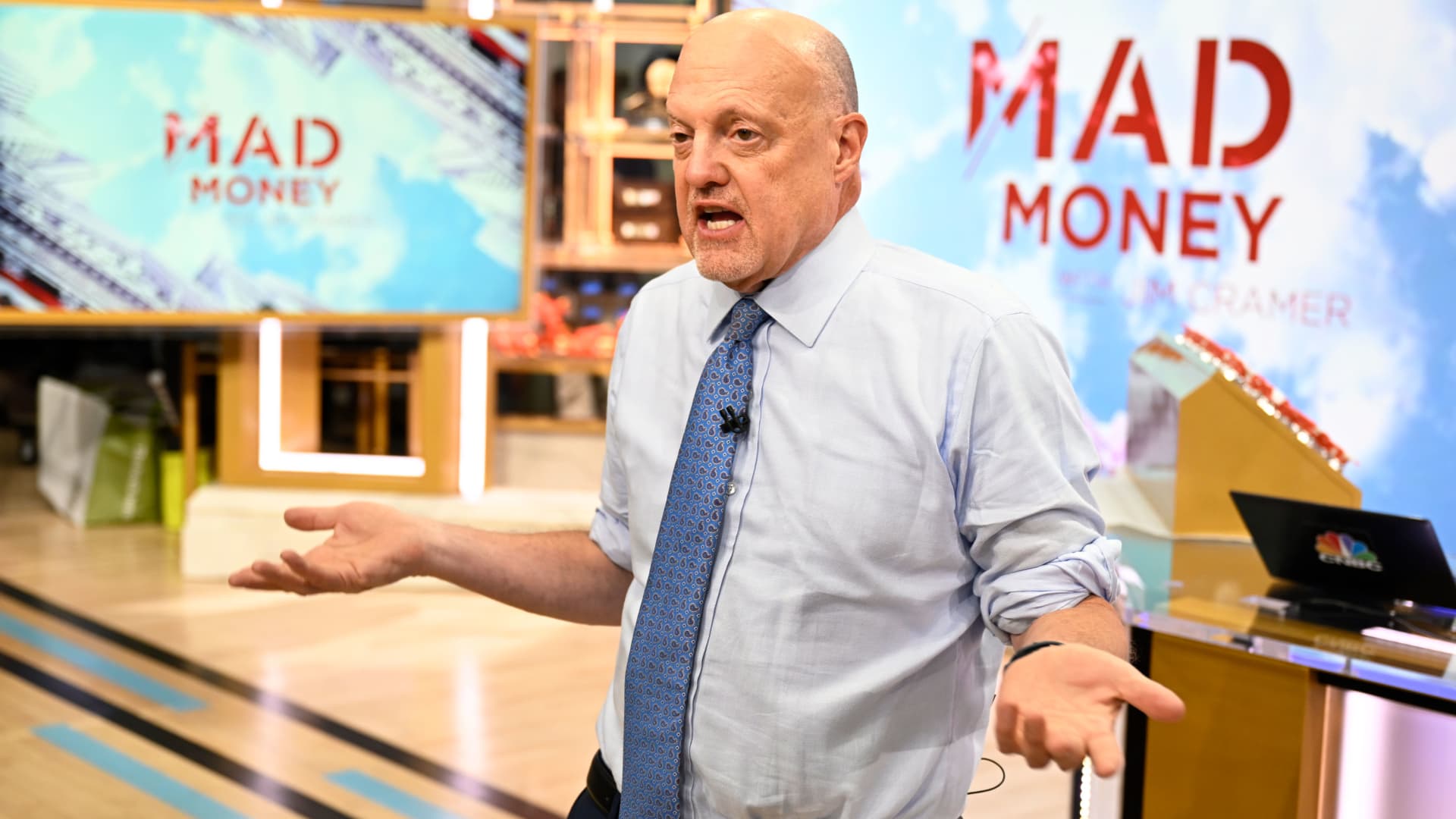
Missing the best trading days destroys long-term portfolio performance. Cramer warns that fear-based selling locks investors out of major market recoveries.
Continue with
The Cost of Exiting the Market
Investors who panicked during periods of intense volatility often find themselves locked out of the gains that follow. Jim Cramer argues that the primary fears driving recent market sell-offs have failed to materialize, leaving those who retreated in the dust. History shows that bailing on equities when the outlook appears bleak typically results in significant long-term losses.
Market participants often operate under the assumption that they can time their exit and re-entry points perfectly. However, the reality of market analysis proves otherwise. Missing even a handful of the best trading days can destroy a portfolio's performance over a decade.
Why Fears Failed to Materialize
Investors repeatedly cited specific risks that kept them from holding their positions. Yet, these fears did not translate into the catastrophic outcomes many predicted. According to Cramer, the disconnect between market sentiment and actual economic results creates a trap for the cautious.
Key Drivers of Investor Anxiety
- Inflationary pressures that were expected to cripple consumer spending.
- Interest rate hikes that analysts feared would trigger a deep recession.
- Corporate earnings that many predicted would collapse under rising costs.
"The market's biggest fears just didn't happen, and that is exactly why you cannot leave the game," says Cramer.