Stocks● Neutral
Tadawul Trading Halt: One Week Gap Before May 31 Reopening
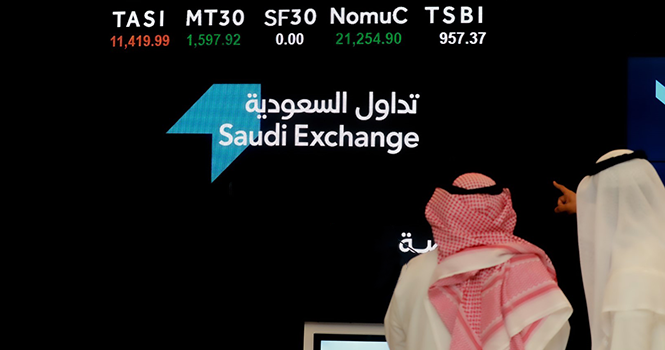
Saudi Exchange Tadawul halts trading for Eid Al-Adha from May 24 to May 31. The week-long pause creates a forced holding period and a potential gap move on reopening.
Continue with
The Saudi Exchange (Tadawul) suspended trading for the Eid Al-Adha holiday starting May 24. The exchange will remain closed for a full week. Trading resumes on May 31. The Tadawul All Share Index will not update during the closure, creating a week-long gap in price discovery for Saudi equities.
A Week Without Saudi Price Discovery
Global markets will continue trading while Tadawul is offline. Any movement in crude oil, shifts in global risk appetite, or regional political developments will not be reflected in Saudi index levels until the reopening. The Saudi market has a strong correlation with oil prices and OPEC+ signals. That means the index could face a sharp adjustment on May 31 if those variables move materially during the break.
Liquidity will also be a factor. The first session back typically sees elevated volume. Institutional participants rebalance after the pause. Retail traders who entered positions before the holiday will have to carry them through a period with no ability to adjust. That creates a forced holding period for anyone still open.
Key risks during the holiday closure include:
- Forced holding period. Positions opened before May 24 cannot be adjusted until May 31.
- Oil price sensitivity. Saudi equities move in lockstep with crude. Any OPEC+ surprise or demand shock will be priced in only at the reopening.
- Liquidity spike. The first session back often sees above-average volume, which can amplify moves in either direction.