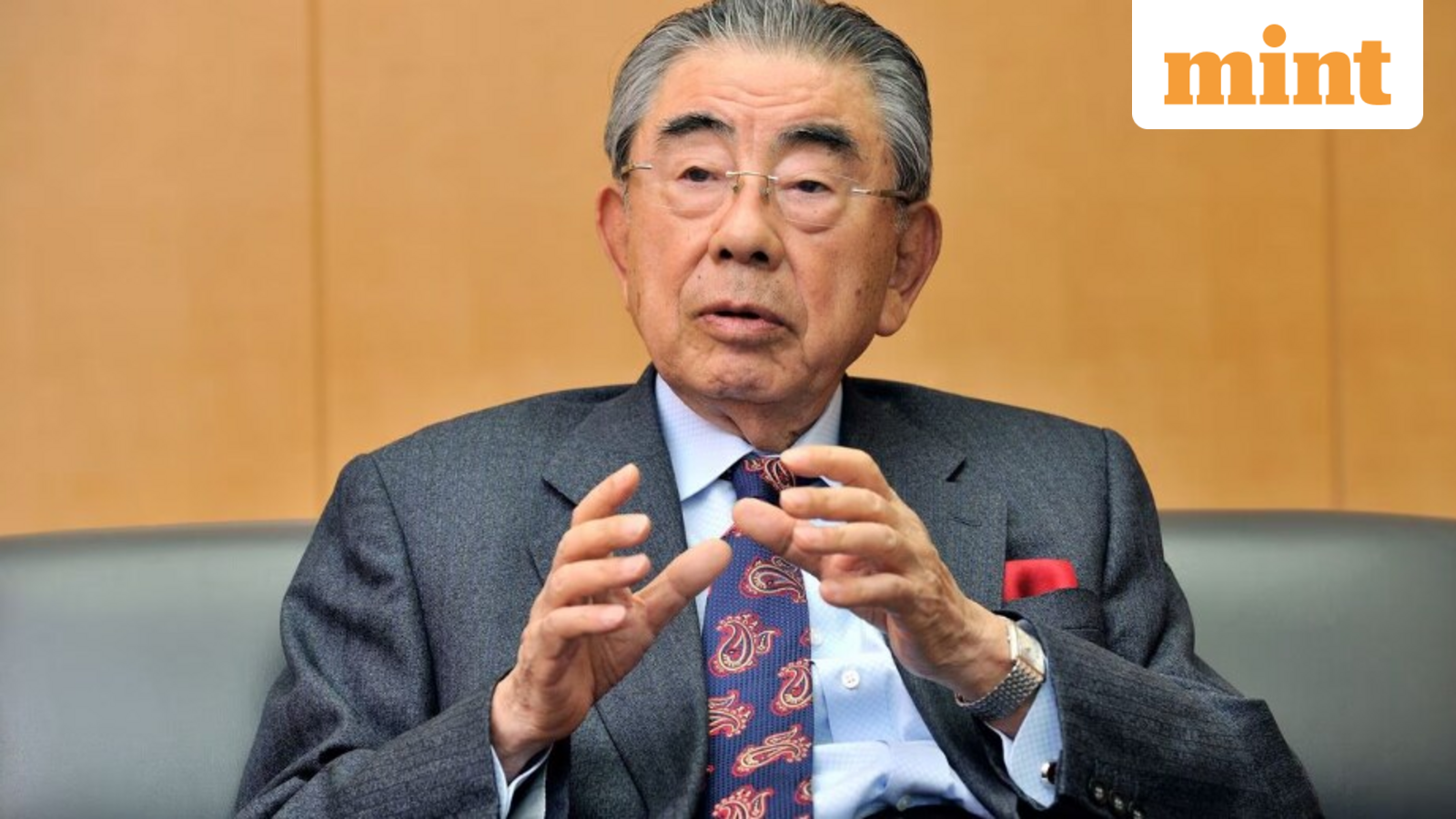
Toshifumi Suzuki, the businessman who built Japan's convenience store industry from a single license deal in 1973 into a global retail network, died on 18 May at age 93. Seven & i Holdings announced the news on Monday. The event removes the last living link to the company's founding vision. For traders, that introduces a specific question: how much of Seven & i's valuation depended on Suzuki's legacy?
Founder Death as a Catalyst
Suzuki's death is not a surprise. He stepped down from leadership in 2016 after losing board support. The symbolic anchor it removes is still real. Seven & i Holdings (TSE: 3382) now operates entirely under successors who were not part of the original 1974 Tokyo store launch. That distinction matters because founder-led companies often trade at a premium that dissipates once the founder is gone.
The operational risk is low. Suzuki codified the convenience-store system – data-driven restocking, multi-hub services, franchise efficiency – years ago. The risk is narrative-based. A founder's death can reset how growth is evaluated. The conversation shifts from visionary potential to execution risk.
The Legacy That Matters for the Stock
Suzuki introduced three practices that became industry standards:
- Multiple daily restocking based on point-of-sale data, not fixed schedules.
- Franchise model that let store owners respond to local demand while the parent controlled logistics and product selection.
- Service expansion beyond groceries: bill payments, ATMs, parcel delivery, concert tickets, and fresh prepared meals.
These innovations turned convenience stores into essential urban infrastructure. By the time Suzuki left the board, Seven-Eleven Japan operated over 21,000 stores domestically. The parent company had become the global convenience-store leader through acquisitions and licensing.
Why a Founder Premium Exists and How It Dissipates
A founder premium is the extra valuation investors assign because they trust the founder's vision and authority to make bold decisions. When the founder dies, that trust must be re-earned by the successor team.
Key insight: The premium does not vanish overnight. It erodes during the first earnings call or strategic announcement where the new leadership must articulate a direction without the founder's personal credibility. If management issues guidance and the market trusts the numbers, the premium survives. If guidance disappoints, the premium collapses.
The track record in Japanese retail is mixed. Some founder exits triggered brief drops that reversed as operational continuity proved intact. Others led to prolonged underperformance when the founder's departure exposed unresolved strategic gaps.
The 2016 Resignation as a Proxy
Suzuki's forced resignation in 2016 already tested the stock. Seven & i's share price was flat in the months after that event. That result suggested investors saw limited near-term impact on the core business. The current death announcement may therefore be a smaller incremental catalyst than an unexpected loss would be.
Three Confirmation Signals for Traders
Traders watching Seven & i Holdings (3382) should focus on three concrete signals over the next two to four weeks.
Volume on the Announcement Day
A high-volume gap down on Monday that fails to recover within three sessions suggests institutional selling tied to a founder-risk re-rating. A quiet session with low volume and a small price move indicates the market has already priced in the founder's departure.
Insider Transactions After the News
Suzuki's successors, including president Ryuichi Isaka, have not been net buyers of stock in recent quarters, according to public filings. If insiders increase purchases in the weeks following the death announcement, that signals internal confidence in the company's direction. Continued selling or no activity leaves the narrative risk open.
Support or Break Below Key Levels
The simplest technical confirmation is the stock holding above its 50-day moving average. If 3382 breaks below that level on above-average volume and stays there for two weeks, the market is voting that the founder premium is gone. A recovery back above the moving average would neutralise that signal.
Practical rule: The first week after a founder's death is noise. The real test is the first earnings call or strategic announcement that follows.
The Real Test: Succession and Strategy
Seven & i has been under pressure from activist investors to streamline its portfolio, particularly its underperforming department-store and supermarket divisions. Suzuki publicly resisted aggressive divestitures. His absence could remove a barrier to restructuring – a bullish outcome. Or it could weaken the company's negotiating position with activists – a bearish one.
What a Constructive Outcome Looks Like
The most constructive outcome for longs would be a clear statement – ideally within 90 days – that the company will accelerate cost-cutting or spin off non-core assets. Silence would default to the status quo, which the market already discounts.
For a broader view on how founder-exit events affect stock market analysis, see AlphaScala's coverage of leadership transitions and their technical setups.
What Comes Next for Seven & i Holdings
The next concrete event for traders is not Suzuki's funeral. It is the company's next quarterly results or any strategic announcement. The death of the founder provides a clean start for the board to reset expectations. The stock's next move will depend not on the man but on the decisions his successors make in the next two quarters.
Watch volume. Watch insider activity. Watch for any guidance outside the normal cadence. The death itself is a catalyst. The reaction to it is the trade.
For traders selecting brokers to execute on this setup, see AlphaScala's list of best stock brokers.