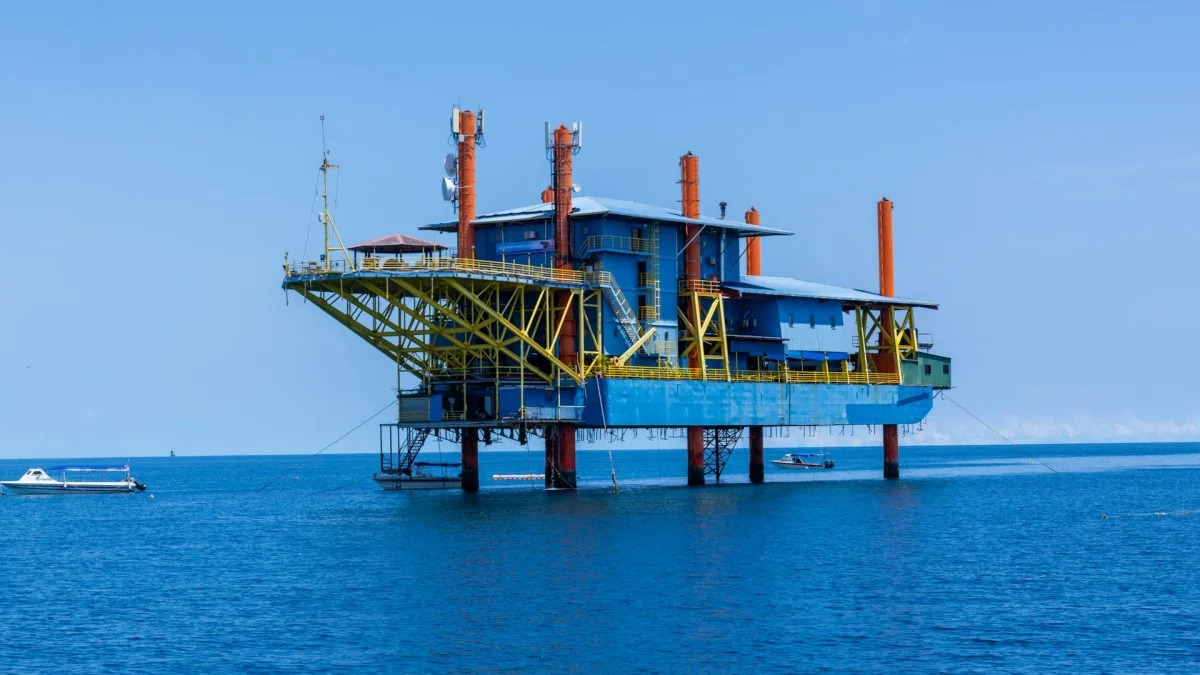
Suriname is on the cusp of becoming South America's next major oil producer. After years of conflicting drilling results and seismic data, TotalEnergies and APA Corporation approved a final investment decision for the deepwater GranMorgu project in offshore Block 58. The project locks in an estimated $26 billion in fiscal income for the former Dutch colony, a windfall that Paramaribo has been chasing since Guyana's oil boom took off in 2019.
The FID came after delays tied to a high gas-to-oil ratio and mismatched data. The partners are committing to a floating production, storage and offloading unit with 220,000 barrels per day of capacity. The FPSO will target the Sapakara and Krabdagu discoveries, which hold an estimated 760 million barrels of recoverable crude. First oil is expected in 2028.
TotalEnergies, the operator with a 50% working interest, and APA Corp, which holds the other 50%, restructured ownership after the FID. The operator retained 40%, APA kept 40%, and the remainder went to Staatsolie, Suriname's state-controlled energy company. Staatsolie financed its acquisition with a $1.6 billion loan from a banking consortium and a March 2025 bond issue. The state's share of GranMorgu will multiply the revenue flowing to Paramaribo, which has been grappling with an economic crisis since 2021. The situation turned violent in 2023 when rioters stormed the capital and parliament.
The GranMorgu FPSO is designed to connect to satellite fields after the main reservoirs are drained, extending its operational life. TotalEnergies built the vessel as an all-electric unit with strict emission monitoring, targeting less than 16 kilograms of carbon per barrel of crude. That is below the global upstream average of 17 to 18 kilograms. Offshore Suriname's light, sweet crude – with an API gravity of 34 to 37 degrees and sulfur content below 1% – is chemically similar to Guyana's oil, which has drawn strong demand from refiners and drillers. Paramaribo expects GranMorgu's crude to enjoy the same reception.
Suriname's oil story does not end with Block 58. Offshore Block 52, operated by Malaysia's Petronas with an 80% stake, holds considerable potential. In November 2025, Petronas and Staatsolie – which acquired 20% under the production-sharing contract – achieved a Declaration of Commerciality for the Sloanea field, centered on the 2020 Sloanea-1 discovery. ExxonMobil, an early 50% partner in Block 52, divested its interest in November 2024 to focus on the prolific Stabroek Block in neighbouring Guyana.
Petronas has made eight discoveries in Block 52 as of June 2026, all in a zone drillers call the Golden Lane, believed to extend from Guyana's Stabroek petroleum fairway. The most recent finds came at the Caiman-1 and Swartzia Aspasia Complex-1 wildcat wells, along with the Roystonea-2 appraisal well. Petronas' Chief Operating Officer, Mohd Jukris Abdul Wahab, said a final investment decision for Block 52 is planned before the end of 2026.
The timing of Suriname's emergence is helped by turmoil in the Middle East. A U.S. war with Iran and an ongoing dispute over the Strait of Hormuz – through which a fifth of the world's oil and natural gas supply is shipped – have pushed prices higher, benefiting South American producers. Suriname's crude, light and sweet with low impurities, is less complex and cheaper to process into high-grade fuels, a trait that has driven demand for Guyana's similar cargoes.
For APA Corp, which carries an AlphaScala Score of 69/100 (Moderate, Energy sector), the GranMorgu FID locks in a decade of production cash flow from a low-carbon, low-complexity barrel. The stock page is at APA stock page.
GranMorgu's first oil is still two years away, and Block 52's FID has not yet been approved. The drilling results, the state's financing, and the geopolitical tailwind from the Middle East have aligned to put Suriname on the map as a serious supplier. Paramaribo, which watched Guyana's oil windfall from the sidelines, now has its own.