The U.S. Supreme Court has issued a definitive ruling establishing that military and construction contractors no longer hold immunity from state tort claims when operating in active conflict zones. The decision centers on a case involving a suicide attack by a contractor employee against U.S. personnel in Afghanistan. By rejecting the argument that war zone operations grant an automatic shield against civil litigation, the court has fundamentally altered the legal risk profile for firms providing logistical and infrastructure support to government operations abroad.
Liability Exposure in Operational Theaters
Contractors have historically relied on the political question doctrine and federal preemption to deflect state-level litigation arising from overseas activities. This ruling narrows that defense, effectively opening a pathway for plaintiffs to pursue damages in state courts for actions occurring in foreign jurisdictions. The decision forces a reevaluation of insurance premiums and legal reserves for companies heavily involved in government-contracted infrastructure and security services. Firms must now account for the potential of protracted litigation in multiple state jurisdictions rather than relying on a centralized federal defense.
Infrastructure and Regulatory Jurisdiction
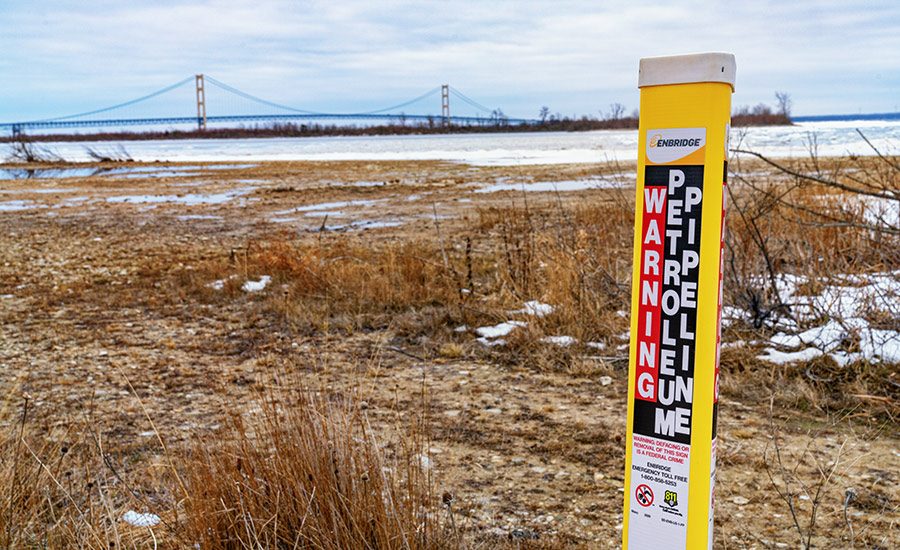
In a separate but related development, the court remanded a legal challenge regarding Enbridge’s Line 5 pipeline in Michigan back to state court. This decision reinforces a trend of shifting jurisdictional authority for critical energy infrastructure from federal oversight to state-level adjudication. The return of the Line 5 dispute to the state level highlights the increasing difficulty of maintaining consistent regulatory environments for cross-border energy transport.
- Contractors face heightened exposure to state tort claims for overseas conduct.
- Energy infrastructure projects are increasingly subject to state-level legal challenges.
- Legal risk management must now account for decentralized judicial venues.
This shift in legal oversight creates a more fragmented landscape for large-scale projects. Companies operating in these sectors must navigate a complex web of state-specific statutes that may diverge significantly from federal standards. The move toward state-court jurisdiction for major infrastructure projects suggests that operational delays and legal costs will become more localized and harder to predict on a national scale.
AlphaScala data currently reflects varying market sentiment across the technology and communications sectors. T T stock page holds an Alpha Score of 59/100, while ON ON stock page is rated at 45/100 and U U stock page at 40/100. These scores indicate the broader sensitivity of capital-intensive firms to regulatory and legal shifts that impact long-term operational stability.
The next critical marker for this legal trend will be the initial filings in state courts following the remand of the Line 5 case. Investors should monitor how these state-level proceedings influence project timelines and whether contractors begin to adjust their service agreements to account for the loss of federal immunity. The outcome of these early state-level cases will likely dictate the future cost of capital for firms operating in high-risk environments.