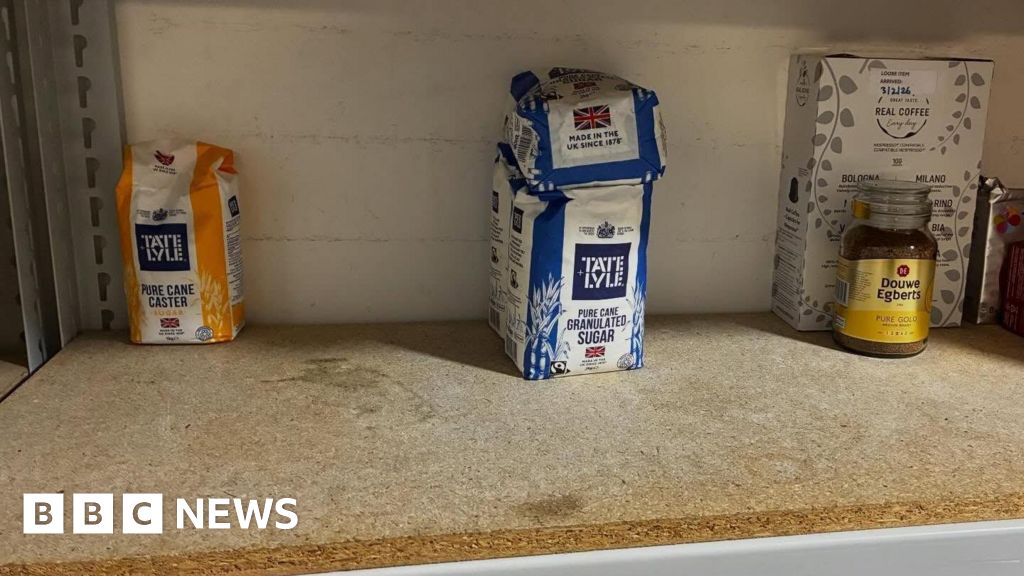
The Guernsey Welfare Service has reported a significant depletion of food bank inventories as demand from local households continues to climb. This development underscores a broader trend where essential service providers face the dual challenge of rising operational costs and an expanding client base. The organization cited persistent inflationary pressures and the ongoing geopolitical instability in the Middle East as primary drivers for the current supply strain.
Operational Strain and Inventory Depletion
The immediate concern for the service is the sustainability of its current distribution model. As the cost of basic goods rises, the purchasing power of charitable donations diminishes, forcing organizations to stretch limited resources across a larger volume of requests. This creates a feedback loop where the inability to maintain inventory levels directly impacts the stability of the local consumer base. The situation serves as a localized indicator of how macroeconomic volatility filters down to the most vulnerable segments of the economy.
Broader Economic Read-Through
While this specific instance is localized, it reflects the systemic pressure currently affecting the broader consumer discretionary and cyclical sectors. Companies operating in these spaces, such as those tracked on the LOW stock page and AS stock page, are navigating a landscape defined by cautious consumer spending and shifting household priorities. When essential services report such acute shortages, it often precedes a contraction in non-essential retail activity. Investors monitoring the stock market analysis should note that the inability of households to absorb inflationary costs typically manifests first in reduced discretionary spending before impacting core retail demand.
AlphaScala Data Context
Within the current market environment, our proprietary data reflects a cautious outlook for related sectors.
- LOW (Lowe's Companies Inc.) currently holds an Alpha Score of 48/100, categorized as Mixed.
- AS (Amer Sports, Inc.) maintains an Alpha Score of 47/100, also labeled as Mixed.
- HAS (Hasbro, Inc.) remains Unscored at this time.
These scores suggest that while companies are attempting to manage inventory and pricing strategies, the external environment remains highly unpredictable. The path forward for these firms depends on their ability to maintain margins while consumer sentiment remains fragile. The next concrete marker for this narrative will be the upcoming quarterly earnings reports, which will provide the first quantitative look at how these inflationary pressures have impacted revenue growth and inventory turnover ratios across the consumer cyclical space. Monitoring these filings will be essential to determine if the current supply constraints are temporary or indicative of a more prolonged period of structural weakness in consumer demand.