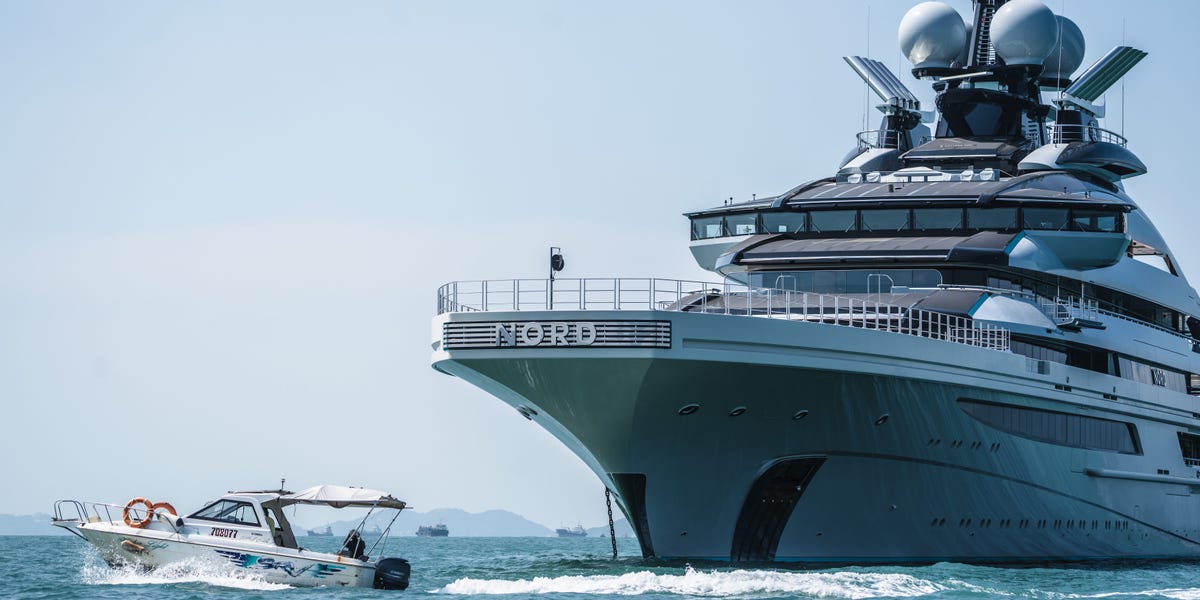
The transit of the 464-foot superyacht Nord through the Strait of Hormuz marks a rare instance of a high-profile private vessel navigating a region currently defined by intense maritime blockades and geopolitical friction. While the strait remains a critical artery for global energy transit, the successful passage of this vessel suggests that private maritime traffic continues to operate under different risk parameters than commercial shipping fleets. The event underscores the complexity of enforcing regional maritime restrictions when private assets are involved.
Geopolitical Constraints and Maritime Transit
The Strait of Hormuz serves as a primary chokepoint for global oil supply, making it one of the most monitored maritime corridors in the world. The ability of a private vessel linked to significant Russian interests to navigate these waters without interference highlights a gap in the enforcement of regional blockades. This transit raises questions regarding the efficacy of current monitoring systems and the extent to which private, non-commercial vessels remain outside the scope of standard maritime interdiction efforts. For the broader shipping industry, this creates a narrative of uneven enforcement that complicates risk assessment for commercial operators who must adhere to stricter regulatory and security protocols.
Sector Read-Through for Maritime Security
The incident serves as a signal for the maritime security sector, which has seen increased demand for tracking and intelligence services. As private vessels continue to navigate volatile regions, the reliance on advanced satellite monitoring and real-time data analytics becomes more pronounced. Companies involved in maritime logistics and security infrastructure are likely to face increased scrutiny regarding their ability to identify and manage the movement of high-value assets in contested waters. This development suggests that the market for maritime intelligence is shifting from a focus on commercial cargo to a more granular tracking of private, high-net-worth vessels that may operate in the periphery of formal trade sanctions.
AlphaScala Data and Market Context
Within the consumer cyclical space, companies like Deckers Outdoor Corp (DECK stock page) and Hasbro, Inc. (HAS stock page) maintain different risk profiles compared to the maritime logistics sector. According to AlphaScala data, DECK currently holds an Alpha Score of 49/100, reflecting a mixed outlook in the current consumer environment. While these companies are not directly impacted by maritime transit in the Strait of Hormuz, the broader stock market analysis suggests that investors are increasingly sensitive to how geopolitical events influence supply chain costs and asset security. The movement of the Nord serves as a reminder that even in a highly regulated global economy, private assets can still find pathways through restricted zones, creating unpredictable variables for those monitoring regional stability.
The next concrete marker for this narrative will be the response from regional authorities regarding the vessel's documentation and the potential implementation of more stringent transit requirements for private yachts. Any subsequent policy shift or increase in patrol activity in the strait will serve as a follow-up indicator of whether this transit was an anomaly or a sign of a broader shift in regional maritime oversight.