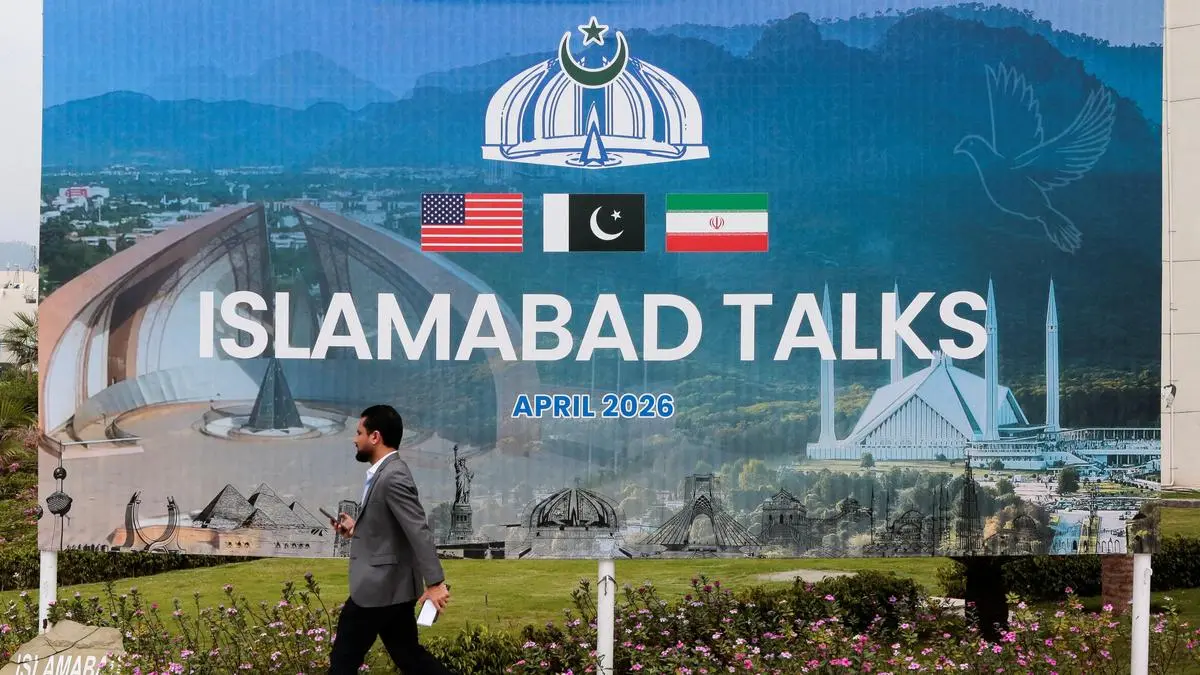
A High-Stakes Venue for De-escalation
In a strategic development that has caught the attention of global markets, representatives from the United States and Iran have gathered in Pakistan for a new round of high-level negotiations. As geopolitical tensions continue to exert pressure on global supply chains and risk sentiment, this dialogue represents a critical attempt to establish a framework for stability in a region long characterized by volatility.
While the venue—Pakistan—serves as a neutral ground for these discussions, the agenda is heavily weighted toward issues that carry significant implications for international security and economic stability. According to reports from the diplomatic track, the primary talking points center on three core pillars: ceasefire demands, the potential for sanctions relief, and the complex question of regional power authority.
The Core Agenda: Ceasefire, Sanctions, and Sovereignty
The negotiations are structured to address both immediate tactical concerns and long-term strategic grievances. The demand for a ceasefire is at the forefront of the discussions, aimed at cooling off active flashpoints that threaten to spill over into broader regional conflicts. For traders and investors, the sustainability of any ceasefire agreement is the primary variable; a credible de-escalation could provide a necessary catalyst for a reduction in the geopolitical risk premium currently embedded in energy and shipping markets.
Simultaneously, the discussion surrounding sanctions relief remains a point of contention. Iran’s push for economic pathways, specifically the easing of restrictive measures, stands in direct opposition to the US administration’s insistence on verifiable benchmarks. This "quid pro quo" dynamic has historically been the primary hurdle in any rapprochement between the two nations. The outcome of these talks, particularly regarding the potential for partial sanctions relief, could fundamentally alter the outlook for regional oil production and trade flows.
Finally, the negotiation of 'regional power authority' addresses the broader power vacuum and influence-sharing dynamics in the Middle East. By attempting to define the parameters of regional engagement, both parties are testing the waters for a new status quo that minimizes the risk of direct confrontation.
Market Implications and Strategic Context
For the professional trading community, the significance of this summit cannot be overstated. Geopolitical risk is currently a primary driver of volatility across multiple asset classes, particularly in the commodities sector. Any tangible progress toward a ceasefire or a softening of the sanctions regime would likely lead to a repricing of risk assets.
Historically, negotiations of this nature are prone to 'headline risk,' where incremental updates lead to sharp, short-term fluctuations in oil prices and currency pairs sensitive to Middle Eastern stability. Traders should monitor the tone of the post-negotiation statements closely. An ambiguous outcome—often characterized by diplomatic platitudes without specific, actionable commitments—is likely to maintain the current volatility profile, whereas concrete agreements on ceasefire terms would be viewed as a bullish signal for a reduction in geopolitical risk premiums.
What to Watch Next
The effectiveness of these talks will be measured by the actions taken in the immediate aftermath. Market participants should look for signs of follow-through, such as a measurable decrease in regional maritime disturbances or formal statements regarding economic policy adjustments. As the situation evolves, the focus for analysts will remain on whether these talks represent a genuine diplomatic breakthrough or merely a tactical pause in a long-standing standoff.
Given the complexity of US-Iran relations, investors should maintain a defensive posture, acknowledging that while the prospect of diplomatic resolution provides a potential upside for market stability, the historical precedent suggests a high probability of continued friction.