Macro● Neutral
Strait of Hormuz Tensions vs. The Artemis II Space Race
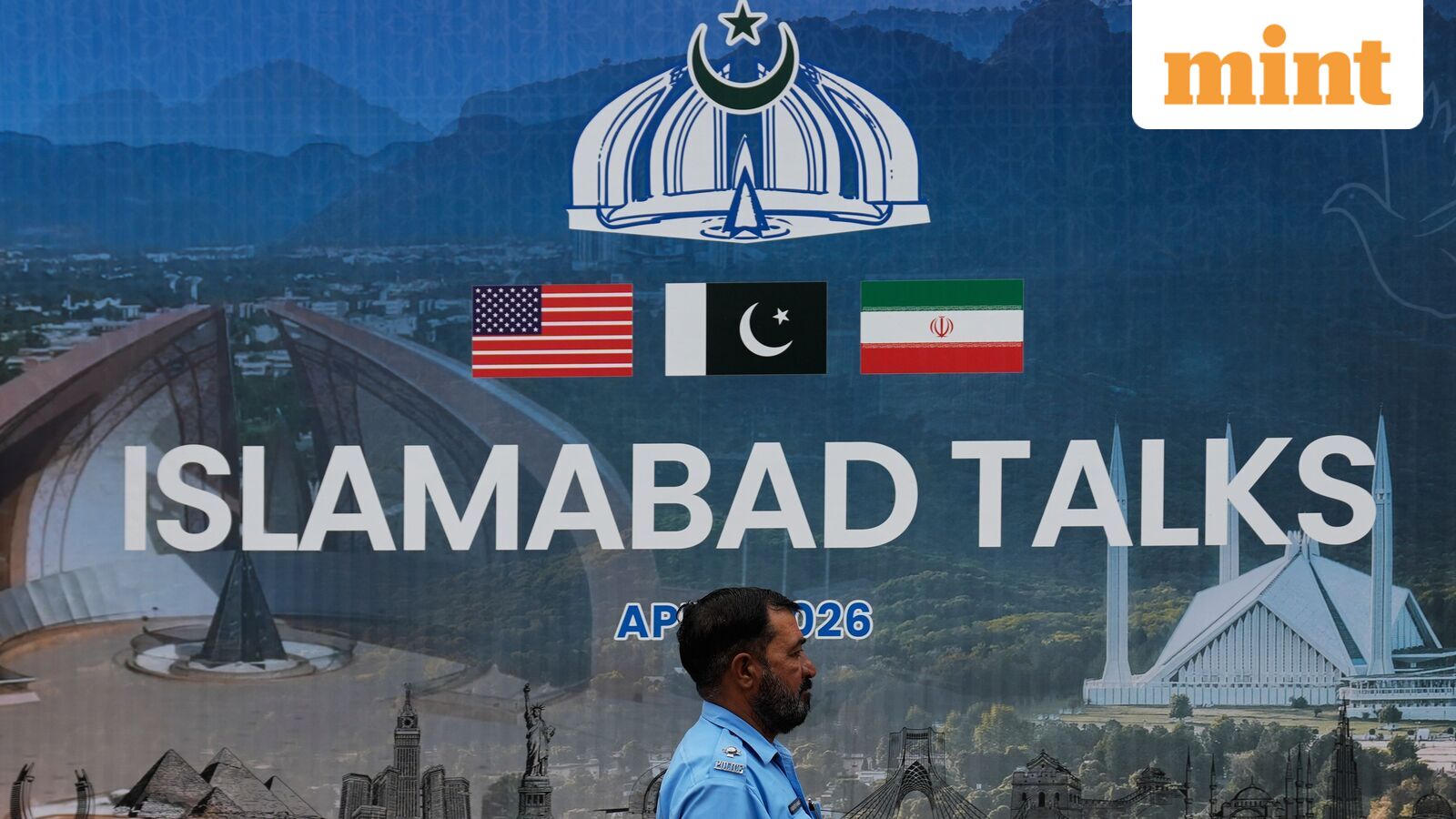
Diplomatic talks in Pakistan seek to cool oil volatility as NASA's lunar mission signals a shift toward long-term strategic competition for global markets.
Continue with
A Week of Converging Crises and Ambitions
Global markets and geopolitical analysts are turning their attention to a confluence of events this week that bridges the volatile reality of West Asian conflict with the long-term strategic ambitions of the United States space program. From back-channel diplomacy in Pakistan aimed at de-escalating US-Iran tensions to the looming fiscal hurdles facing aid to Gaza, the geopolitical landscape remains fragile. Simultaneously, NASA’s Artemis II mission serves as a stark reminder that even amidst terrestrial instability, the race for extraterrestrial dominance continues to accelerate.
The Hormuz Pressure Point: Diplomatic Efforts in Islamabad
Perhaps the most immediate concern for energy markets and global security is the ongoing diplomatic engagement between the United States and Iran, currently centered in Pakistan. The Strait of Hormuz—the world’s most critical maritime oil chokepoint—remains a flashpoint for potential disruption. Any signal of a breakthrough in these discussions could provide a much-needed cooling effect on crude oil volatility, which has remained sensitive to any uptick in regional hostility.
Traders are closely monitoring these talks for signs of a 'de-escalation framework.' While historical precedent suggests that US-Iran negotiations are rarely linear, the involvement of third-party intermediaries in Islamabad underscores the urgency of preventing a wider regional conflagration. For energy investors, the stakes are binary: a successful diplomatic outcome could temper risk premiums on Brent and WTI, while a collapse in talks would likely invite further upward pressure on energy prices, complicating the global inflation narrative.
Gaza Funding and the Fiscal Tightrope
Parallel to the diplomatic maneuvering in Pakistan, the humanitarian and political situation in Gaza remains a major structural challenge. Recent reports indicate that funding mechanisms for the region are faltering, creating a vacuum that threatens to exacerbate instability. For the global macro outlook, this is not merely a humanitarian issue; it is a driver of regional volatility that influences foreign policy decisions in both Washington and European capitals.