Back to Markets
Commodities● Neutral

Strait of Hormuz Tensions Spike as Tanker U-Turns Signal Renewed Geopolitical Risk

April 12, 2026 at 05:40 AMBy AlphaScalaSource: thehindubusinessline.com
Strait of Hormuz Tensions Spike as Tanker U-Turns Signal Renewed Geopolitical Risk
CL

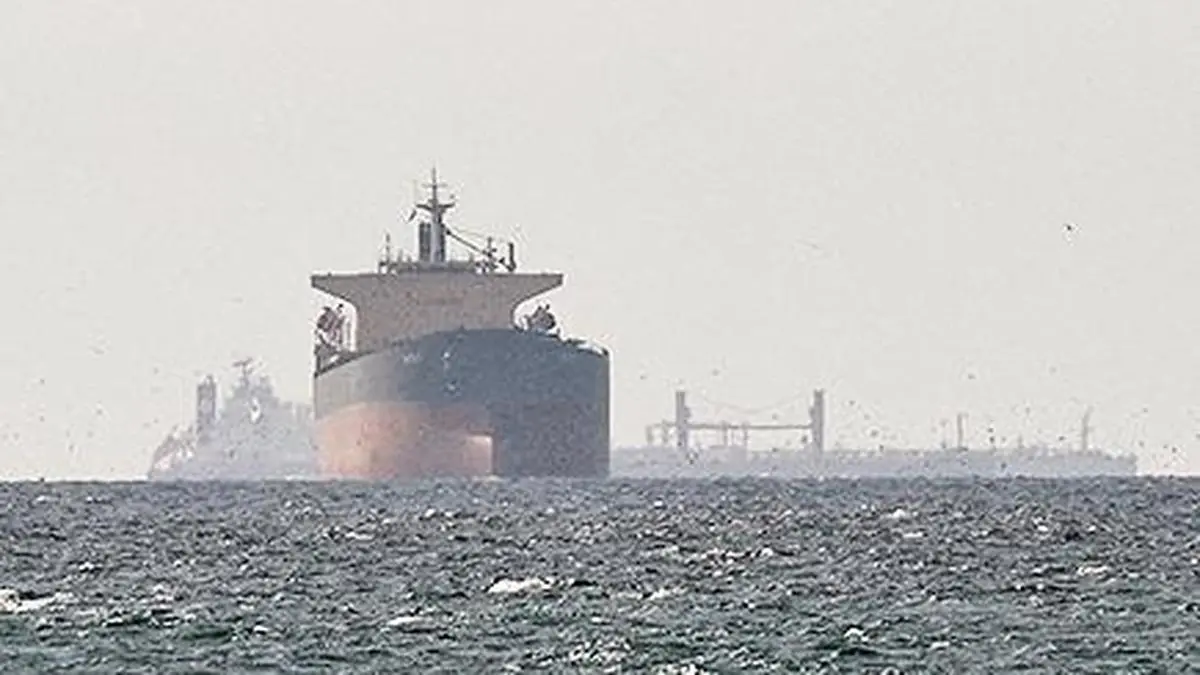
Two supertankers aborted their transit through the Strait of Hormuz on Sunday, signaling heightened regional instability following the collapse of U.S.-Iran peace talks.

Escalation in the Gulf

The delicate geopolitical balance in the Middle East faced a sudden test this past Sunday as two empty supertankers executed abrupt U-turns while attempting to transit the Strait of Hormuz. The vessels, which had been charting a course into the Persian Gulf, diverted their paths precisely as diplomatic channels between the United States and Iran appeared to fracture. This development has sent a ripple of concern through energy markets, as the Strait remains the world’s most critical maritime chokepoint for global oil supply.

Diplomacy at a Standstill

The maritime maneuvering coincides with the collapse of ongoing peace negotiations between Washington and Tehran. For months, market observers and international mediators had been tracking a fragile, informal ceasefire intended to de-escalate tensions in the region. The sudden breakdown of these talks suggests that the window for a diplomatic resolution may be narrowing, raising the specter of renewed brinkmanship in the Gulf.

Analysts note that the Strait of Hormuz is a vital artery for global energy, with roughly 20-30% of the world’s total petroleum consumption passing through its narrow waters daily. Any disruption to the flow of crude—or even the perception of heightened risk to tanker traffic—historically translates into immediate volatility in global oil benchmarks.

Market Implications: The Risk Premium

For traders and energy investors, the U-turn of these two supertankers serves as a tangible indicator of rising operational risk. When vessel operators begin to deviate from standard routes, it is often a precursor to increased maritime insurance premiums and potential supply chain bottlenecks.

"The market is hypersensitive to any movement in the Strait," notes one commodities strategist. "When you see supertankers—the heavy lifting vessels of the oil trade—making mid-transit U-turns, it signals that corporate risk management teams are reacting to the breakdown in diplomatic communication in real-time."

For those positioned in the energy sector, the breakdown in US-Iran talks is particularly concerning because it removes a key pillar of supply stability. If the informal ceasefire is officially abandoned, the risk of retaliatory actions or increased naval posturing in the Gulf increases, potentially creating a "geopolitical premium" on top of current crude price levels.

What Traders Should Watch Next

Moving forward, market participants should closely monitor three key indicators:

  1. Maritime Insurance Rates: Any sharp uptick in War Risk Insurance premiums for the Persian Gulf will be an immediate signal that insurers are pricing in a higher probability of conflict.
  2. Official Rhetoric: Watch for statements from the U.S. State Department and the Iranian Foreign Ministry. A formal acknowledgment of the breakdown in talks could trigger a more sustained move in oil futures.
  3. Vessel Traffic Data: Continued deviations or delays in tanker transit through the Strait will confirm whether the Sunday U-turns are isolated incidents or the start of a broader trend of maritime avoidance.

As the situation remains fluid, the volatility stemming from the Persian Gulf is likely to persist. Traders should remain cautious, as energy prices remain highly susceptible to headline-driven moves until a new diplomatic baseline is established.