Macro● Neutral
US-Iran Talks Fail: Why Markets Must Recalibrate Risk Now
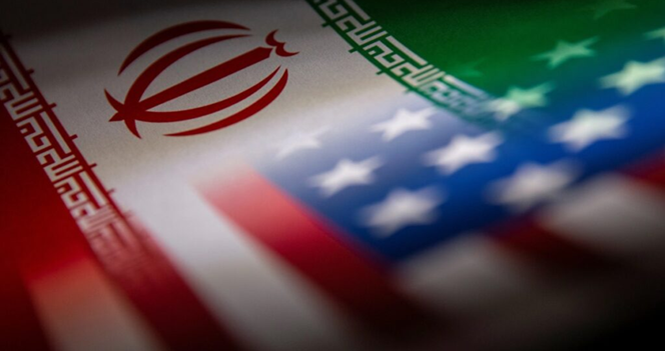
Diplomatic deadlock in Pakistan forces traders to price in higher energy premiums. Monitor XAU/USD and CL as geopolitical instability threatens inflation.
Continue with
A Stalled Path to De-escalation
In a development that has sent ripples of uncertainty through global markets, the latest round of high-stakes negotiations between the United States and Iran has concluded in Pakistan without achieving a formal agreement to de-escalate the ongoing Middle East conflict. The failure to secure a breakthrough, confirmed by U.S. Vice President J.D. Vance, marks a significant setback for regional stability efforts and leaves a vacuum of geopolitical clarity that traders are now forced to factor into their risk models.
Following a series of prolonged discussions held in Islamabad, the absence of a concrete resolution underscores the deep-seated friction between Washington and Tehran. The talks, which were closely watched by global powers, were intended to establish a framework for ending the current hostilities that have kept the Middle East on a knife’s edge. Instead, the diplomatic deadlock persists, leaving stakeholders to grapple with the potential for further volatility.
Geopolitical Risk and Market Sensitivity
For institutional investors and traders, the failure of these talks is more than a diplomatic disappointment—it is a signal to recalibrate risk exposure. The Middle East remains a critical artery for global energy supplies and a focal point for maritime trade. When diplomatic channels fail, the market’s immediate reaction is often a flight to safety, typically benefiting assets like gold, the U.S. dollar, and, in many cases, crude oil, which often spikes on fears of supply chain disruptions.
Historically, the breakdown of negotiations between major powers in the region has led to heightened premiums on oil futures. Traders are now closely monitoring the Strait of Hormuz and regional logistics hubs, as any escalation in rhetoric or tactical shifts on the ground could trigger rapid price action across commodity and equity markets. The lack of a diplomatic "safety valve" means that the market must now price in a higher probability of extended regional instability.