Commodities● Neutral
Strait of Hormuz Gridlock: 599 Vessels Stranded as Talks Fail
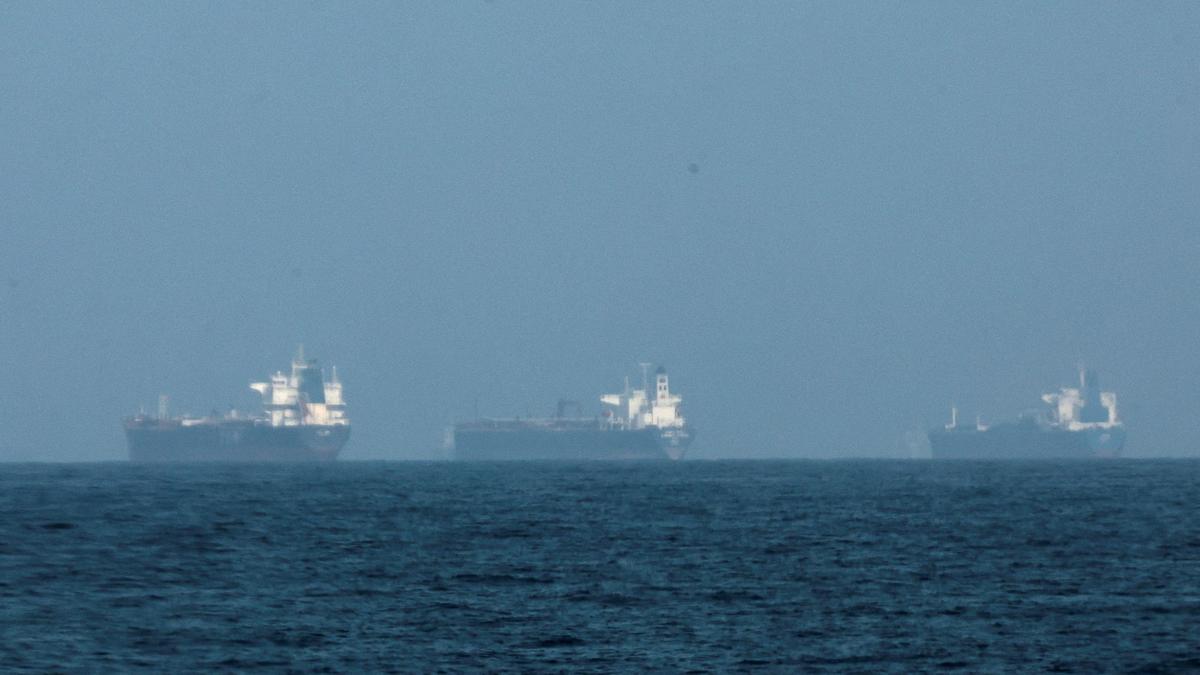
The collapse of ceasefire negotiations leaves 599 vessels trapped, threatening global energy supply chains and forcing a sharp rise in maritime risk premiums.
Continue with
A Critical Chokepoint Faces Prolonged Stagnation
Global maritime trade remains on a knife-edge this week as diplomatic efforts to secure a ceasefire in the Strait of Hormuz have officially faltered. The failure of these talks has left a staggering 599 commercial vessels in a state of indefinite limbo, unable to transit one of the world’s most vital energy arteries. With Iranian authorities maintaining strict control over the passage, the uncertainty surrounding the fate of these ships—and the cargo they carry—has injected a fresh wave of volatility into global supply chains.
The Strait of Hormuz, which facilitates the transit of approximately 20% of the world's total petroleum consumption, is currently serving as a geopolitical pressure point. The inability of international mediators to restore the freedom of navigation has forced shipping companies to grapple with an unprecedented logjam, raising concerns about the immediate impact on global energy prices and maritime insurance premiums.
The Anatomy of the Standoff
For traders and analysts, the current situation represents a significant departure from standard maritime disruptions. Typically, regional tensions in the Persian Gulf are met with either swift military posturing or rapid diplomatic back-channeling. However, the current stalemate is characterized by a total lack of movement, effectively freezing 599 vessels in place. This figure is not merely a logistical challenge; it is a profound economic indicator of the current regional instability.
Industry observers note that the continued Iranian control over vessel movement is creating a ripple effect that extends far beyond the immediate geography of the Strait. As ships remain anchored or diverted, the resulting scarcity of available tonnage is expected to tighten freight rates significantly. For traders involved in energy and bulk commodities, the inability to forecast transit times creates a 'risk premium' that is currently being priced into crude oil futures and related shipping equities.