Strait of Hormuz Tensions Spike as Tanker U-Turns Signal Heightened Geopolitical Risk

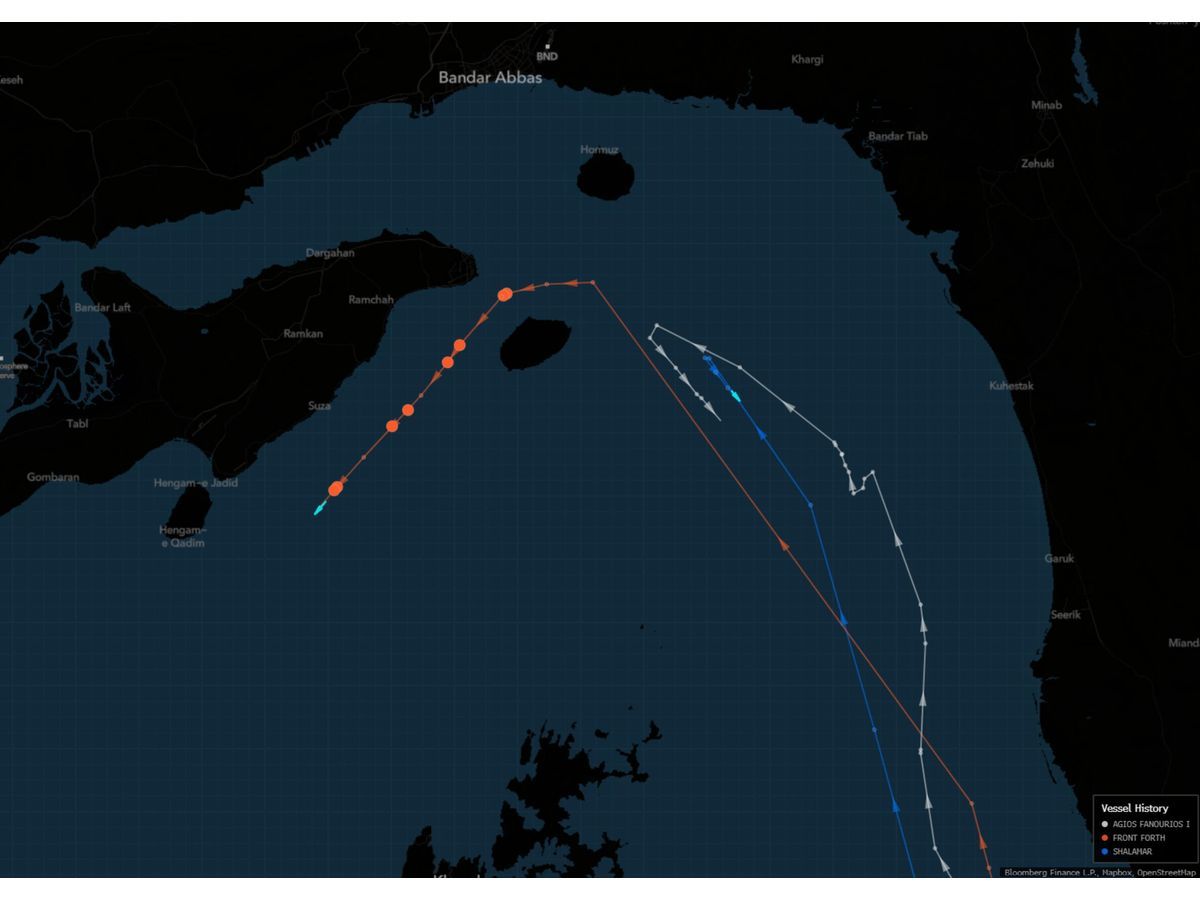
Two supertankers executed emergency U-turns in the Strait of Hormuz following the collapse of U.S.-Iran diplomatic talks, signaling a sharp rise in geopolitical risk that could impact oil supply chains.
A Sudden Reversal in the Strait
The fragile equilibrium in the Strait of Hormuz faced a sharp test this past Sunday, as two empty supertankers executed abrupt U-turns while attempting to transit the critical chokepoint. The vessels, intended to enter the Persian Gulf to load crude oil, altered course at the eleventh hour, a move that coincided with the sudden breakdown of high-stakes diplomatic negotiations between the United States and Iran.
For energy markets, the Strait of Hormuz represents the world’s most vital maritime oil artery. With approximately 20% of global oil consumption passing through this narrow passage, any sign of hesitation among tanker operators is viewed by the market as a high-fidelity signal of deteriorating security conditions. The reversal of these two vessels serves as a stark reminder that despite ongoing efforts to stabilize regional relations, the threat of maritime disruption remains a permanent fixture in the risk premium for global oil prices.
Diplomacy Hits a Wall
The decision by the tanker operators to pivot away from the Gulf reflects a rapid reassessment of the risk profile following the collapse of peace talks. While the specifics of the breakdown remain under scrutiny, the immediate reaction of commercial shipping interests suggests that the window for a de-escalation of tensions has effectively closed for the near term.
Historically, the Strait has served as a geopolitical fulcrum. Previous periods of heightened tension have seen Iran threaten to shutter the Strait entirely, a move that would trigger an immediate supply shock and force a massive rerouting of global energy flows. When tanker operators—who operate on razor-thin margins and strictly managed insurance premiums—decide to turn back, they are not merely reacting to headlines; they are responding to real-time intelligence regarding potential interdiction or escalation.
Market Implications: Navigating the Risk Premium
For traders, the events in the Hormuz Strait underscore the necessity of monitoring 'proxy' indicators of geopolitical instability. While headline news provides the narrative, the actual movement of physical assets provides the confirmation. A sudden withdrawal of tonnage from the Persian Gulf typically serves as a leading indicator for upward volatility in Brent and WTI benchmarks.
Investors should consider the following dynamics in the wake of this development:
- Insurance and Freight Costs: Persistent uncertainty in the Strait often leads to a spike in War Risk Insurance premiums for tankers, which eventually filters down into the final cost of delivered crude.
- Supply Chain Fragility: If major operators begin to avoid the region, the resulting bottleneck will tighten the supply of available tankers (VLCCs), potentially driving up spot rates for shipping.
- The 'Fear Factor': Options markets frequently price in sudden, large-scale moves in oil when news of regional naval deployments or diplomatic failures hits the wires. The U-turn of these two supertankers acts as a tangible manifestation of that fear.
What to Watch: The Path Forward
The critical question for the coming sessions is whether this turn-back is an isolated incident of caution or the beginning of a broader trend of shipping avoidance. Markets will be closely watching for any official statements from the U.S. State Department or Tehran regarding the status of the talks, as well as any reports of naval activity in the region.
Should tensions remain elevated, look for heightened sensitivity in energy commodities to any further reports of maritime disruption. Traders should maintain a focus on tanker tracking data and regional maritime safety bulletins, as these will likely provide the first signals of whether the Strait is becoming a 'no-go' zone for commercial traffic. In an environment where global supply chains are already operating under significant strain, the unpredictability of the Strait of Hormuz remains the ultimate wild card for energy-linked portfolios.