Commodities● Neutral
Strait of Hormuz Tensions: Iran Denies U.S. Mine-Clearing Claims
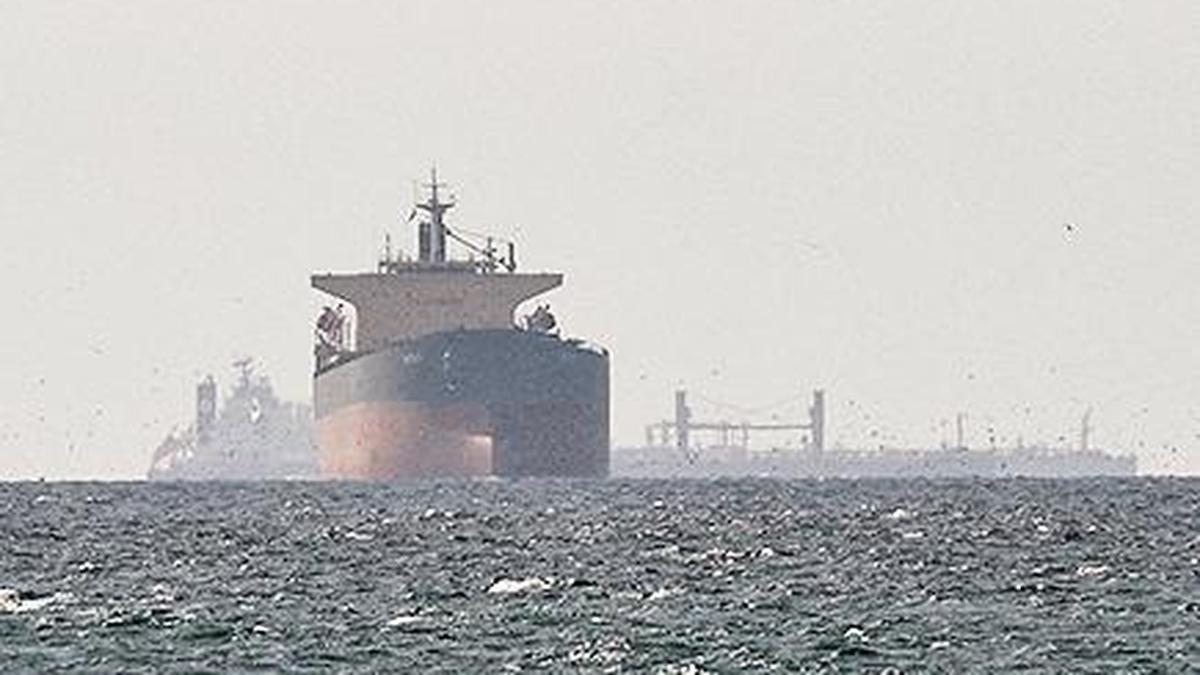
With 20% to 30% of global oil passing through the Strait, Iran's denial of U.S. mine-clearing operations signals potential volatility for CL crude futures.
Continue with
Escalating Rhetoric in a Strategic Chokepoint
The geopolitical temperature in the Persian Gulf spiked this week as the U.S. Central Command (CENTCOM) announced that two American vessels have initiated operations to set conditions for clearing mines within the Strait of Hormuz. The move, framed by the U.S. as a precautionary measure to ensure the freedom of navigation in one of the world’s most critical maritime energy corridors, was met with an immediate and categorical denial from Iranian authorities.
The Strait of Hormuz remains the world’s most significant oil chokepoint, with an estimated 20% to 30% of global petroleum consumption passing through its narrow waters daily. Any military posturing in this region is treated by global markets as a high-risk event, capable of triggering immediate volatility in crude oil futures and shipping insurance premiums.
The U.S. Position vs. Tehran’s Denial
According to official statements released by CENTCOM, the deployment of the two specialized vessels is intended to mitigate potential threats to commercial shipping. The U.S. military maintains that such operations are vital to maintaining the integrity of international waters against the threat of naval mining, a tactic historically associated with attempts to disrupt regional trade.
Tehran’s response was swift. Iranian officials dismissed the U.S. claims, labeling them as unfounded and provocative. By denying that any such threat exists or that any clearing operations are currently underway, Iran is positioning the U.S. narrative as a pretext for increased Western military presence in the region. For traders, this discrepancy in reporting highlights the persistent "fog of war" that characterizes maritime disputes in the Persian Gulf, where information warfare is as critical as physical naval positioning.