Commodities● Neutral
Trump Warning to Iran Fuels Crude Oil Price Volatility
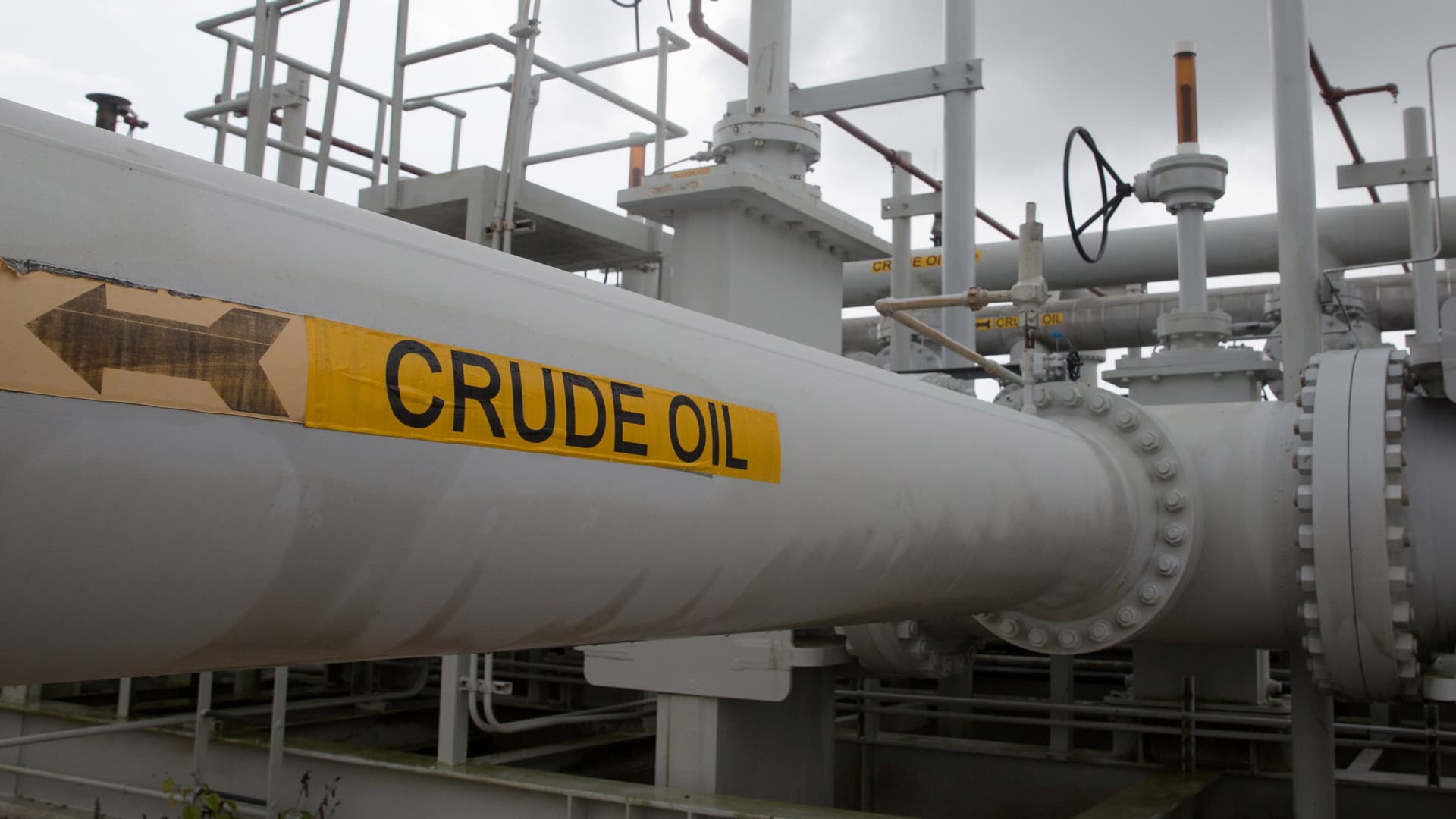
Strait of Hormuz tensions threaten 20% of global oil supply. Watch for tanker diversion patterns and Fifth Fleet updates as the primary catalysts for CL gains.
Continue with
Escalating Rhetoric in the Persian Gulf
Crude oil prices edged higher in Thursday’s trading session as geopolitical risk premiums returned to the forefront of the energy markets. The upward momentum follows a direct warning from U.S. President Donald Trump, who issued a blunt directive to Iran to "stop now" regarding reports that Tehran has been attempting to levy charges on commercial tankers transiting the Strait of Hormuz.
This latest development underscores the fragility of one of the world’s most critical energy chokepoints. Despite recent diplomatic efforts and reports of a potential U.S.-Iran ceasefire, the situation on the ground remains volatile. For global energy markets, the Strait of Hormuz represents a vital artery, with approximately 20% of the world’s total petroleum consumption passing through its narrow waters daily. Any disruption—perceived or actual—in this corridor acts as an immediate catalyst for price volatility.
The Strategic Importance of the Strait
The Strait of Hormuz is not merely a shipping lane; it is the primary maritime exit for crude oil exports from Saudi Arabia, Iraq, the UAE, Kuwait, and Qatar. When diplomatic tensions flare in this region, traders typically price in a 'risk premium' that accounts for the potential of blocked supply chains, increased insurance premiums for maritime logistics, and the possibility of military intervention.
President Trump’s warning serves as a significant escalation in the ongoing maritime standoff. By publicly addressing the alleged practice of Iran charging tankers for safe passage, the White House is signaling that it views such actions as a direct challenge to the freedom of navigation—a cornerstone of international maritime law. For energy traders, the concern is that the failure of a ceasefire to normalize traffic could lead to a 'tit-for-tat' scenario, potentially resulting in forced inspections or vessel seizures, which would tighten supply in an already sensitive global market.