Macro● Neutral
Strait of Hormuz Reopens: Two-Week Ceasefire Averts Conflict
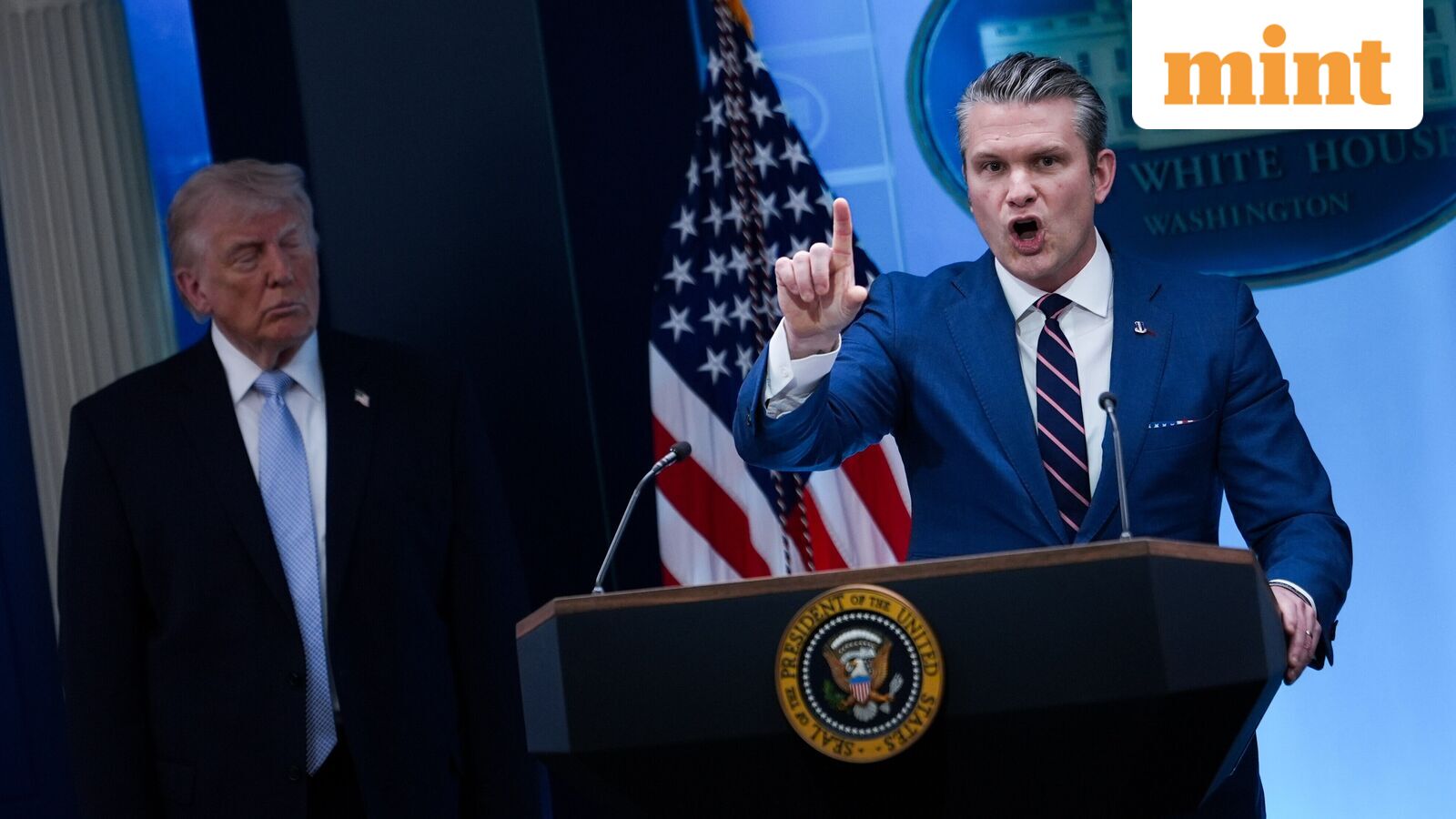
The deal secures transit for 20% of global petroleum, easing immediate energy market risks. Watch Pete Hegseth’s upcoming press conference for next steps.
Continue with
Geopolitical De-escalation: A Narrow Escape from Conflict
Global markets are bracing for a volatile session following a dramatic diplomatic breakthrough in the Middle East. On Tuesday, the United States and Iran officially reached a two-week ceasefire agreement, effectively averting a military confrontation that had reached a critical inflection point. The deal was finalized just one hour before a self-imposed deadline set by President Donald Trump, which would have initiated a military operation designated as 'Operation Epic Fury' against Iranian targets.
As part of the immediate terms of the de-escalation, Tehran has committed to the temporary reopening of the Strait of Hormuz. This vital maritime chokepoint is responsible for the transit of approximately 20% of the world’s total petroleum consumption, making its closure a primary driver of recent systemic risk in global energy markets.
The Countdown to 'Operation Epic Fury'
The tension had reached a fever pitch in the hours leading up to the announcement. President Trump’s ultimatum—a high-stakes threat to 'obliterate' the rival nation—had sent shockwaves through international markets, with crude oil futures and safe-haven assets experiencing significant intraday swings. The last-minute pivot to a ceasefire signals a momentary cooling of rhetoric, though market analysts remain cautious regarding the long-term viability of the agreement.