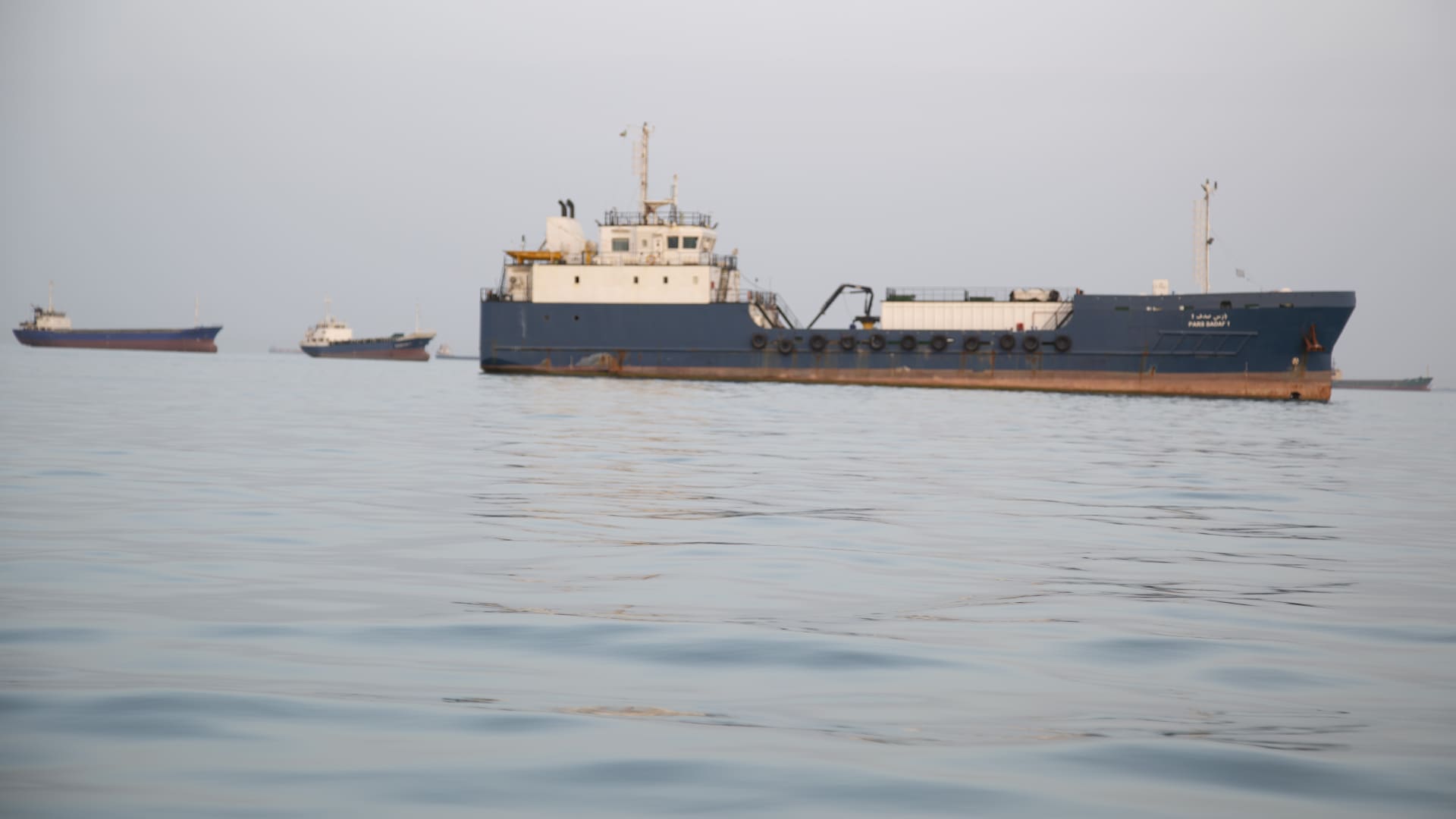
Strait of Hormuz Naval Standoff Forces Brent Above $100 Threshold

The seizure of commercial tankers in the Strait of Hormuz has paralyzed a critical energy chokepoint, pushing Brent crude back above $100 per barrel as shipping insurers pause coverage for the region.
Alpha Score of 47 reflects weak overall profile with moderate momentum, poor value, moderate quality. Based on 3 of 4 signals — score is capped at 90 until remaining data ingests.
Alpha Score of 55 reflects moderate overall profile with moderate momentum, moderate value, moderate quality. Based on 3 of 4 signals — score is capped at 90 until remaining data ingests.
HASBRO, INC. currently screens as unscored on AlphaScala's scoring model.
Alpha Score of 56 reflects moderate overall profile with poor momentum, strong value, strong quality, weak sentiment.
The escalation of hostilities between the United States and Iran has shifted from direct aerial and missile exchanges to a critical naval standoff within the Strait of Hormuz. With both nations actively seizing commercial vessels, the primary artery for global seaborne crude oil transit has effectively entered a state of paralysis. This disruption to the flow of energy supplies has pushed Brent crude prices back above the $100 per barrel mark, reflecting the immediate risk premium assigned to the potential for a prolonged blockade.
Supply Chain Disruption and Tanker Traffic
The Strait of Hormuz serves as the world's most significant oil chokepoint, facilitating the movement of roughly one-fifth of global daily petroleum consumption. The current standoff has resulted in a near-total cessation of tanker traffic as insurers pause coverage for vessels navigating the region. Shipping companies are now forced to weigh the risks of transit against the logistical impossibility of rerouting massive volumes of crude through alternative, less efficient channels. The inability to clear existing inventories from regional storage hubs is creating a localized supply bottleneck that threatens to tighten global availability if the impasse persists through the next loading cycle.
Geopolitical Risk and Energy Security
While the direct kinetic conflict between Washington and Tehran has subsided, the maritime confrontation represents a more persistent threat to global energy markets. The seizure of tankers serves as a strategic lever that bypasses traditional military engagement while achieving the same economic impact. This shift toward naval interdiction forces a recalibration of how markets price geopolitical risk, moving away from short-term event volatility toward a sustained premium based on the duration of the blockade. The market is now sensitive to any signals regarding the potential for diplomatic intervention or the deployment of naval escorts to secure commercial passage.
Market Context and AlphaScala Data
Energy markets remain highly reactive to developments in the Middle East, as highlighted in our broader commodities analysis. The current environment of heightened uncertainty often leads to increased volatility across the technology and consumer sectors as well. For instance, U stock page currently holds an Alpha Score of 43/100, while NOW stock page maintains a score of 56/100 and AS stock page sits at 47/100. These scores reflect the broader market sentiment as investors balance potential inflationary pressures from energy costs against company-specific operational risks.
The next concrete marker for the market will be the status of the next scheduled tanker departures from major terminals in the Persian Gulf. Any attempt to resume transit without a formal de-escalation agreement will likely trigger further price volatility. Traders are monitoring whether the current naval posture leads to a formal closure of the waterway or if a managed corridor can be established to restore the flow of crude to international markets. The persistence of the $100 price floor depends entirely on the duration of the current maritime stalemate and the success of international efforts to secure the transit route.
AI-drafted from named sources and checked against AlphaScala publishing rules before release. Direct quotes must match source text, low-information tables are removed, and thinner or higher-risk stories can be held for manual review.