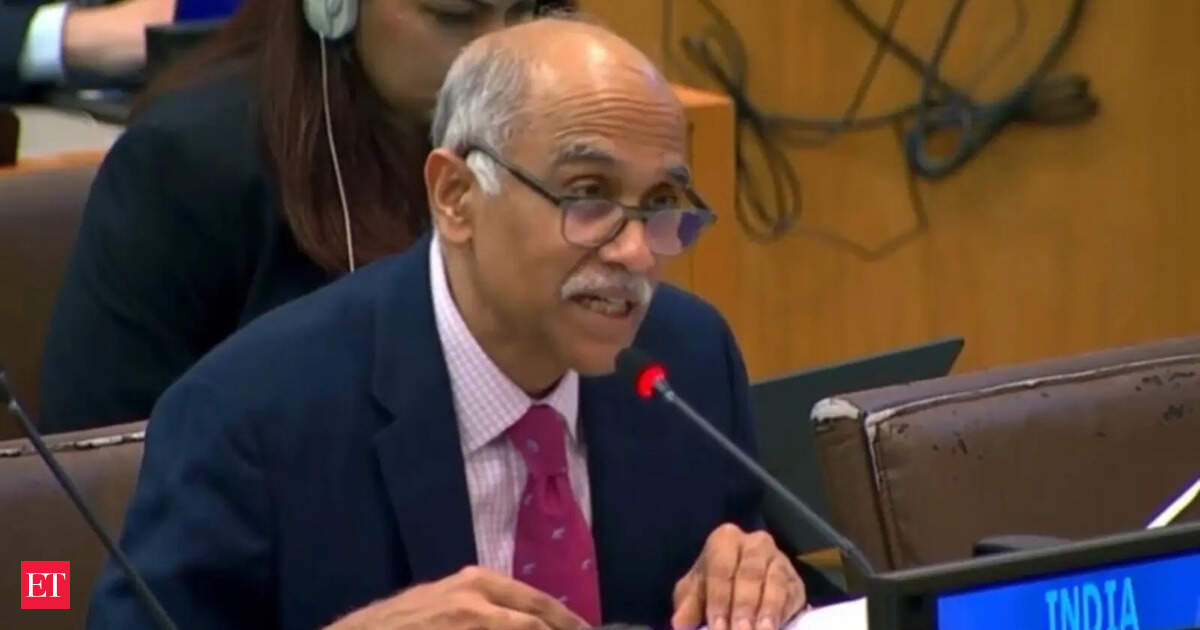
India's UN envoy calls Strait of Hormuz disruption unacceptable, linking West Asia conflict to energy and fertilizer crisis. Watchlist trigger for tanker and fertilizer stocks.
India's UN envoy Parvathaneni Harish called for short-term and long-term measures, plus international cooperation, to address the energy and fertilizer crisis linked to the West Asia conflict. He reiterated concerns over maritime security and freedom of navigation in the Strait of Hormuz, deeming any disruption unacceptable and urging respect for international law. The statement signals a formal escalation of diplomatic pressure around the world's most critical oil chokepoint.
Harish's remarks at the United Nations frame the Strait of Hormuz as a systemic risk, not a regional dispute. The envoy stressed that targeting commercial shipping or impeding navigation in the strait is unacceptable. This language moves the issue from a bilateral concern to a multilateral energy security and fertilizer crisis problem. The timing aligns with ongoing tensions in the Middle East that have already pushed oil tanker insurance premiums higher and forced some operators to reroute vessels.
The statement does not name specific companies or assets. The mechanism is direct: any disruption in the Strait of Hormuz immediately affects the flow of crude oil, liquefied natural gas, and ammonia-based fertilizers from major producers such as Saudi Arabia, Iraq, Iran, and the UAE. For traders and analysts, the read-through is a watchlist trigger for shipping stocks and fertilizer producers that depend on Middle East exports.
Tanker operators are the first link in the chain. A credible threat to navigation in the Strait forces shipowners to factor in higher war-risk premiums, longer voyage times if they take alternative routes around the Cape of Good Hope, and potential delays at loading terminals. Historical precedent shows that even diplomatic warnings, without actual attacks, can push spot tanker rates higher as charterers rush to secure vessels before conditions worsen.
On the fertilizer side, the Middle East is a major supplier of urea and ammonia. India itself imports a significant portion of its fertilizer requirements from the region. Harish's reference to the fertilizer crisis ties directly to supply-chain risk for companies that source or distribute ammonia and urea. Any disruption in the Strait would tighten global fertilizer availability, potentially lifting prices for producers in other regions such as North America or Russia.
Confirmed peers in the shipping sector include tanker-focused operators listed on major exchanges, though the source does not name specific tickers. The read-through is strongest for companies with large exposure to crude and product tanker fleets that transit the Strait. For fertilizer, the impact is broader: any producer or trader with Middle East sourcing faces execution risk on cargo delivery and pricing.
The immediate catalyst is whether Harish's statement leads to concrete multilateral action, such as a UN Security Council resolution or coordinated naval patrols. The next decision point for traders is the response from key Strait littoral states, particularly Iran. If Iran or its proxies respond with increased harassment of commercial vessels, the risk premium will embed into tanker stocks and fertilizer futures more permanently. A de-escalation would unwind the watchlist signal.
For now, the statement adds a formal diplomatic layer to a risk that was already priced partially by the market. The practical takeaway is to monitor shipping insurance rates and ammonia spot prices as leading indicators of whether the rhetoric translates into real supply disruption. Without a physical event, the sector read-through remains a watchlist item rather than a trade trigger.
Prepared with AlphaScala research tooling and grounded in primary market data: live prices, fundamentals, SEC filings, hedge-fund holdings, and insider activity. Each story is checked against AlphaScala publishing rules before release. Educational coverage, not personalized advice.