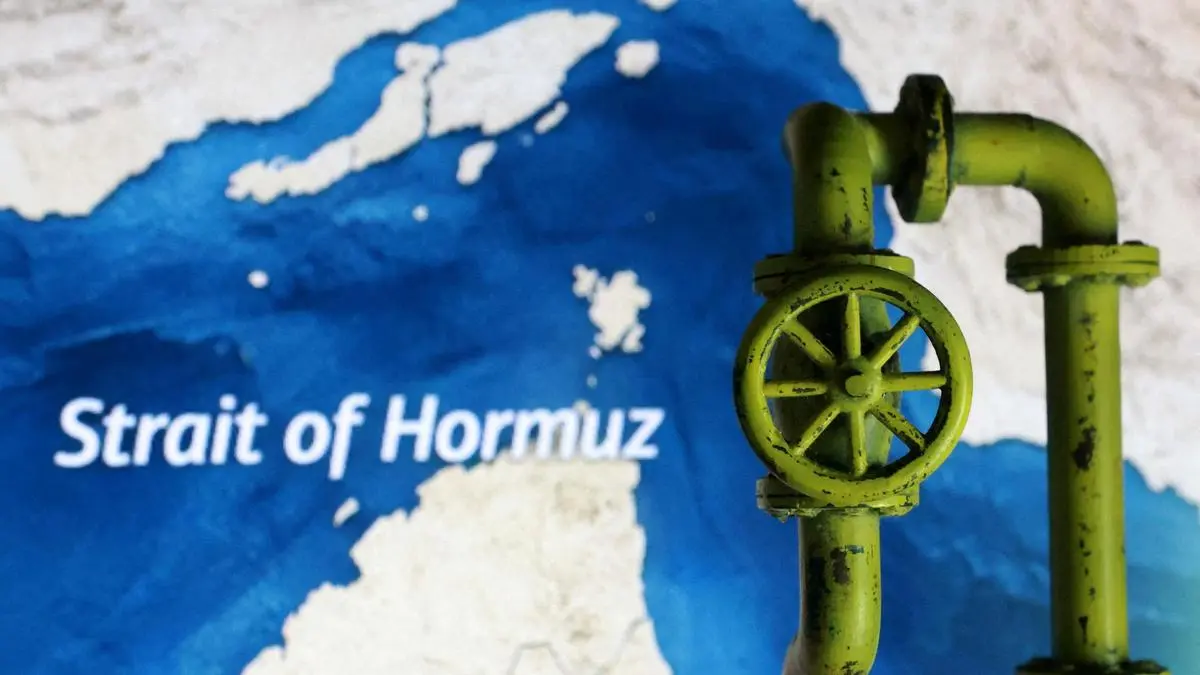
The closure of the Strait of Hormuz has introduced an immediate supply shock to global energy markets. As a critical maritime chokepoint for crude oil and liquefied natural gas, the disruption halts the flow of millions of barrels per day from the Persian Gulf to international markets. This bottleneck forces a rapid reassessment of global fuel availability, particularly for regions heavily dependent on Middle Eastern exports.
Transport Risk and Refining Constraints
The immediate impact of the closure centers on the rerouting of tanker traffic and the resulting strain on global refining capacity. Aviation fuel supplies face specific vulnerability as refineries struggle to balance the loss of crude feedstocks with the high-octane requirements of the global travel sector. The inability to move refined products through traditional shipping lanes creates localized shortages that ripple through industrial supply chains.
Logistical delays are compounded by the increased cost of maritime insurance and the physical limitations of alternative transit routes. As tankers seek longer paths to reach major consumption hubs, the effective supply of fuel is reduced by the extended time spent at sea. This contraction in available inventory forces a shift toward regional stockpiles, which are already under pressure from sustained demand.
Structural Shifts in Indian Energy Demand
India’s energy sector faces a distinct set of challenges as it navigates the current supply volatility. The country remains a significant importer of crude oil and refined products, making it highly sensitive to disruptions in the Persian Gulf. Domestic policy is now focused on securing alternative supply agreements and managing the cost of energy imports to prevent inflationary pressure on heavy industry.
Recent developments in India’s energy landscape include:
- Accelerated efforts to diversify crude import sources away from the Persian Gulf.
- Increased reliance on domestic strategic petroleum reserves to buffer against price spikes.
- A shift in industrial energy consumption patterns to mitigate the impact of rising fuel costs.
These measures highlight the necessity of maintaining robust inventory levels in an environment where geopolitical friction can materialize without warning. The focus on energy security is now a primary driver for industrial planning across the region.
AlphaScala data currently tracks ON Semiconductor Corporation (ON) with an Alpha Score of 45/100, reflecting a mixed outlook for the technology sector as it monitors the broader impact of energy costs on manufacturing inputs. Further details on this asset can be found on the ON stock page.
Market participants are now looking toward the next round of government policy announcements regarding strategic reserve releases and potential trade agreements. The sustainability of current energy prices will depend on the duration of the transit disruption and the ability of non-OPEC producers to bridge the supply gap. For broader context on how these shifts influence raw material costs, see our latest commodities analysis. The next critical marker will be the updated tanker tracking data, which will reveal the extent to which global supply chains have successfully adapted to the new transit constraints.