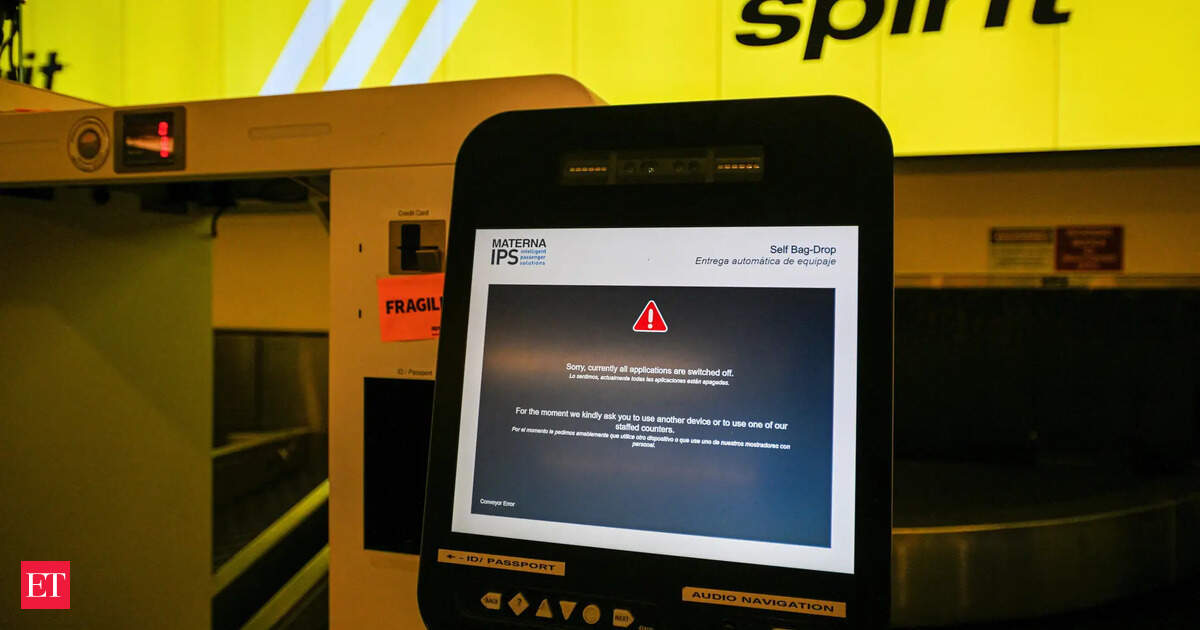
The liquidation of Spirit Airlines on May 2, 2026, marks the first major corporate casualty of the escalating fuel price volatility stemming from the 2026 Iran war. The carrier, which relied on a high-volume, low-margin business model, proved unable to absorb the sudden surge in jet fuel costs that followed the disruption of regional energy supply chains. This failure illustrates the vulnerability of budget-focused transport operators when geopolitical events force a rapid repricing of essential energy inputs.
Fuel Cost Volatility and Operational Fragility
Spirit Airlines operated on a thin cost structure that left little room for the sustained fuel price spikes seen throughout the current conflict. As the conflict in the Middle East tightened, the global aviation sector faced immediate pressure on operating expenses. For carriers with limited hedging capabilities, the transition from stable energy pricing to a war-risk premium environment created an insurmountable liquidity gap. The inability to pass these costs onto price-sensitive travelers led to a rapid erosion of working capital.
Transport Risk and Supply Chain Disruption
Beyond the immediate impact on individual carriers, the collapse highlights broader risks to the domestic transport sector. The reliance on just-in-time fuel procurement strategies has become a liability as regional instability persists. When energy supplies are threatened, the cost of transport rises across all modes, but low-cost carriers face the most acute pressure due to their inability to adjust fare structures without losing their core customer base. This shift in the energy landscape is affecting broader market sentiment, as seen in the mixed performance of firms like ON Semiconductor Corporation, which holds an Alpha Score of 46/100, as detailed on the ON stock page.
Market Linkages and Future Catalysts
Investors are now monitoring the secondary effects of this collapse on the wider airline industry and the broader commodities analysis sector. The primary concern is whether other carriers with similar debt profiles will face liquidity crunches as fuel prices remain elevated. The next concrete marker for the industry will be the upcoming quarterly guidance updates from major carriers, which will reveal the extent to which fuel surcharges are successfully offsetting current energy costs. Furthermore, the US Naval Blockade Costs Iran $4.8 Billion in Oil Revenue remains a critical variable that will dictate the future trajectory of global fuel pricing and the stability of transport-dependent business models.