The cessation of operations at Spirit Aviation Holdings Inc. (OTC: FLYYQ) on Saturday marks a critical inflection point for the low-cost carrier sector, as the intersection of geopolitical instability and operational leverage reaches a breaking point. While political discourse has centered on the administration's role in the conflict with Iran, the underlying market mechanism is driven by the direct correlation between regional maritime security and jet fuel volatility. The failure of Spirit to secure a government-backed rescue plan, rejected by creditors, highlights the diminishing appetite for risk in a sector already grappling with thin margins and high sensitivity to commodity price spikes.
Jet Fuel Volatility and Operational Fragility
Jet fuel prices remain the primary variable in the cost structure of budget airlines. According to data from Airlines for America, the price of a gallon of jet fuel reached $4.13 as of Friday. While this represents a decline from the $4.88 per gallon peak observed in early April, the sustained elevation of these costs has eroded the capital buffers of carriers operating on ultra-low-cost models. For an airline like Spirit, which faced pre-existing financial distress, the inability to pass these costs to price-sensitive consumers created a structural deficit that no internal efficiency measure could bridge.
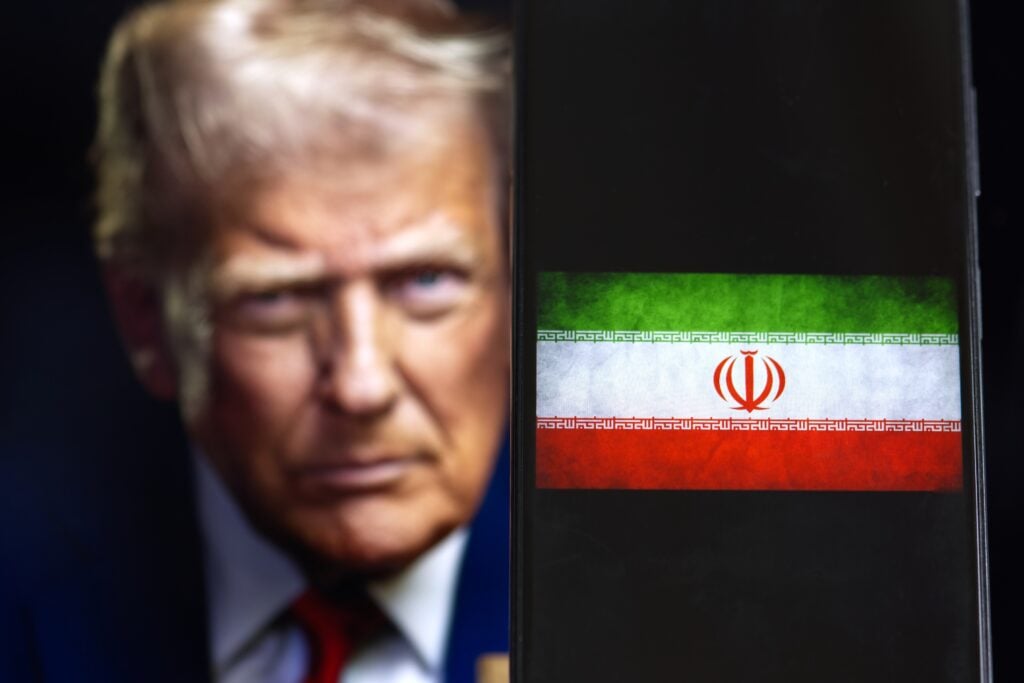
The geopolitical catalyst is the ongoing joint conflict between the U.S. and Israel against Iran. President Trump’s “Project Freedom” initiative, intended to escort ships through the Strait of Hormuz, has not mitigated the market's perception of supply chain risk. As long as the Strait remains a focal point for military activity, the risk premium on oil and refined products will likely persist, keeping the floor for jet fuel prices higher than historical norms. This environment creates a binary outcome for carriers: those with robust hedging strategies or significant cash reserves can absorb the volatility, while those with high debt loads, such as the now-defunct Spirit, face immediate liquidity crises.
Sector-Wide Contagion and Relief Demands
The collapse of Spirit is not an isolated event but a signal of broader distress within the budget airline segment. Frontier Group Holdings Inc. (NASDAQ: ULCC) and Avelo have reportedly sought a $2.5 billion relief package, citing the same inflationary pressures on fuel that contributed to Spirit’s insolvency. This request for government intervention underscores the systemic nature of the current fuel cost environment. If the administration denies these requests, the sector faces a period of forced consolidation or further liquidations, as the market tests the viability of the ultra-low-cost model in a high-energy-cost regime.
Transportation Secretary Sean Duffy has attributed the failure of Spirit to internal issues, distancing the administration from the bankruptcy. However, the market read-through remains clear: the combination of high fuel costs and the failure of the proposed merger with JetBlue Airways Corp (NASDAQ: JBLU)—which was blocked by a federal judge—left Spirit with no viable path to solvency. The merger was intended to provide the scale necessary to compete with legacy carriers, but its rejection removed the final strategic option for the company.
Market Implications for Low-Cost Carriers
Investors should distinguish between the political narrative and the mechanical reality of airline solvency. The political debate regarding the Iran conflict serves as a proxy for the broader economic strain caused by energy prices. For those tracking the sector, the focus should remain on the balance sheets of remaining budget carriers and their ability to hedge against further fuel price spikes. The rejection of a rescue plan for Spirit suggests that creditors are no longer willing to underwrite the operational risks of carriers that lack a clear path to profitability under current energy price conditions. As the industry navigates these commodities analysis headwinds, the ability to maintain liquidity in the face of persistent fuel volatility will be the primary determinant of survival for the remaining players in the budget space.