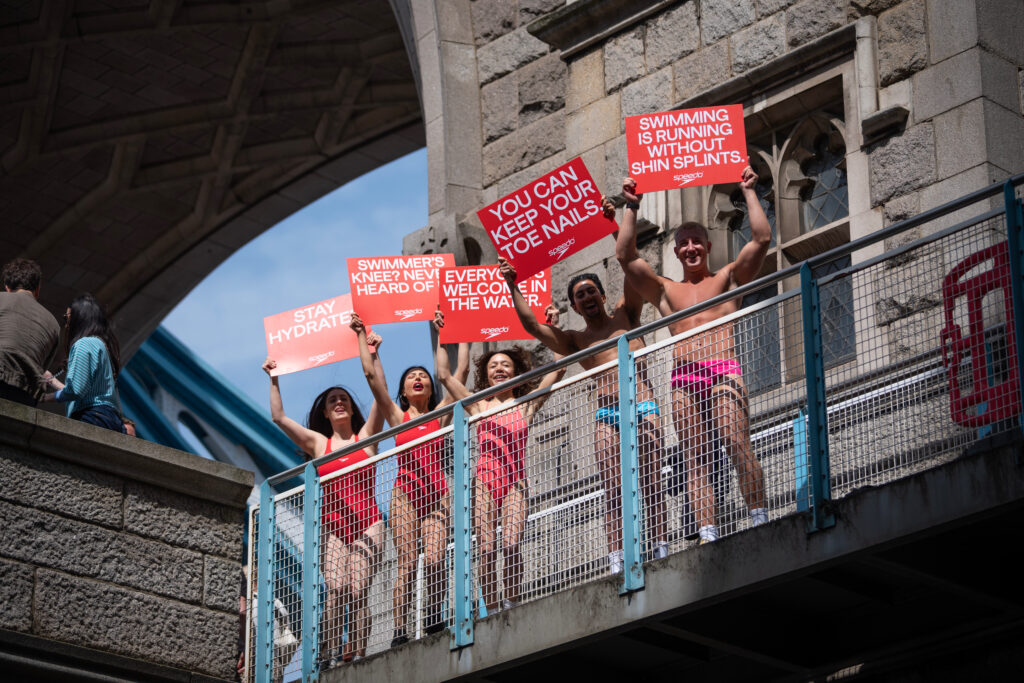
Speedo has launched a campaign targeting participants of the London Marathon, positioning swimming as a recovery tool for high-impact endurance athletes. By focusing on the physical toll of long-distance running, the brand is attempting to integrate its core product line into the routines of a demographic that typically prioritizes footwear and apparel centered on road performance. This pivot represents a strategic effort to expand the brand's utility beyond competitive swimming and casual recreation.
Repositioning the Swim Lane for Endurance Athletes
The campaign emphasizes the concept of active recovery, specifically highlighting the buoyancy and resistance properties of water as a method to mitigate joint stress. For a brand historically tethered to pool-based performance, this shift targets the broader wellness and recovery market. By aligning with the timing of a major city marathon, the company is attempting to capture consumer attention when runners are most acutely aware of the physical strain associated with their sport. This move suggests an attempt to diversify the brand's narrative from purely competitive aquatic sports to a broader lifestyle and health maintenance category.
Strategic Expansion into the Recovery Market
This initiative serves as a test for whether a specialized athletic brand can successfully cross over into the training regimens of a different sporting discipline. The success of this strategy depends on the brand's ability to convince runners that swimming is a viable substitute or supplement to traditional recovery methods like stretching or physical therapy. If the campaign gains traction, it could signal a shift in how the company markets its equipment to non-swimmers who are seeking low-impact alternatives to maintain cardiovascular fitness during injury rehabilitation or off-season training.
AlphaScala data currently tracks various market segments, including consumer cyclicals like Amer Sports, which holds an Alpha Score of 47/100 and a label of Mixed. You can view more details on the AS stock page to understand how similar consumer-facing companies are navigating shifting brand loyalties and market positioning. While Speedo operates within a distinct niche, the broader stock market analysis suggests that companies are increasingly looking to bridge the gap between specialized performance gear and general wellness utility to sustain growth.
Future Benchmarks for Brand Diversification
The next concrete marker for this strategy will be the company's ability to maintain engagement with this new audience beyond the immediate post-marathon window. Future performance will be measured by the adoption of swim-based recovery programs in running communities and potential partnerships with fitness centers or marathon training groups. Investors and analysts will look for evidence that this pivot translates into sustained demand for aquatic gear among non-traditional users rather than a temporary marketing experiment. The company's ability to integrate these recovery-focused products into retail channels will determine if this shift can provide a meaningful contribution to its long-term revenue profile.