Stocks● Neutral
Speed to Market Beats Tax Breaks in 2026 State Rankings
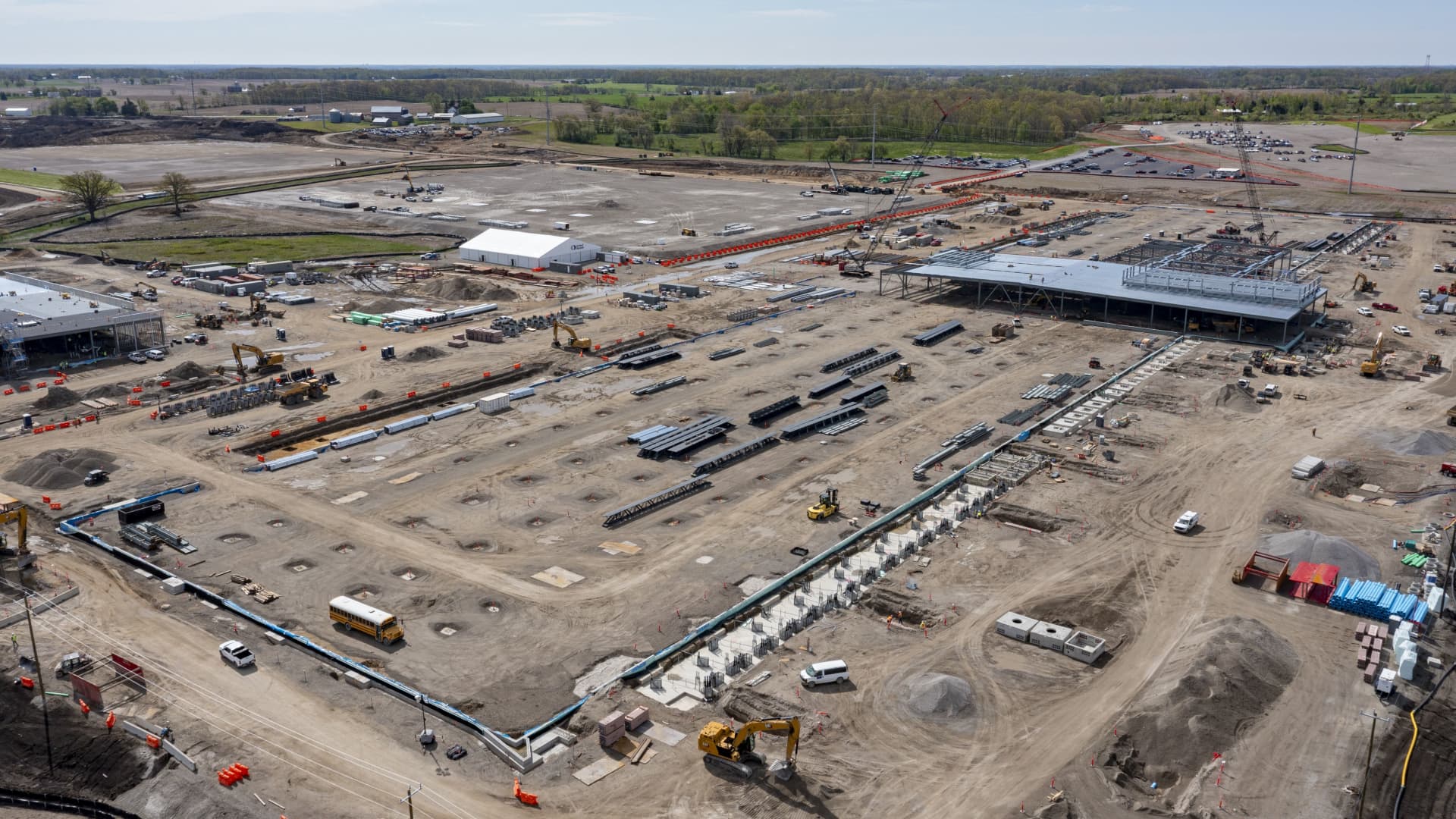
CNBC's 2026 Top States study puts speed to market at the center, measuring permitting times and red tape. Companies are choosing states that let them build fast.
Continue with
Companies are picking states based on how fast they can break ground, not just how low the tax bill is. That shift is the central finding of CNBC's 2026 Top States for Business study, set for release July 15.
"One of the key trends we're seeing right now is speed to market," said Larry Gigerich, executive managing director of site selection firm Ginovus and chairman of the Site Selectors Guild. "We are extremely busy, and it's been one of the busiest periods that we've experienced."
The study, now in its 20th year, scores all 50 states across ten categories of competitiveness. This year's edition uses 138 metrics, the most ever. New additions include permitting times and a Red Tape Index from Labrynth, a San Francisco-based AI company.
"Capital follows the certainty and knowledge that there's not going to be excess red tape and pain in the decision matrix around where do I put my money," said Stuart Lacey, Labrynth's founder and CEO.
The Risk: States That Can't Move Fast Lose the Next Wave
For any company with a large physical footprint – manufacturers, data center operators, logistics firms – the implication is direct. A state that ranks poorly on permitting speed or regulatory burden becomes a less attractive site for new investment, regardless of its tax incentives or labor pool.
Pennsylvania Gov. Josh Shapiro set a goal of a Top 10 CNBC ranking in his 2024 economic development strategy. The state finished 17th in 2025. Oregon Gov. Tina Kotek targeted a similar improvement from No. 39. Ohio Gov. Mike DeWine touted his state's No. 5 finish in a March state of the state address.
"Last year, CNBC named Ohio as one of the top five states in the nation for business," DeWine said to applause, "and No. 1 in the Midwest."
Those governors are watching the rankings because site selectors are. Gigerich said companies are demanding shovel-ready sites and quick regulatory approvals, driven partly by concern that the current economic window won't last.
"I think there's some concern that we are going to have a change, that we're due for some economic change," he said.