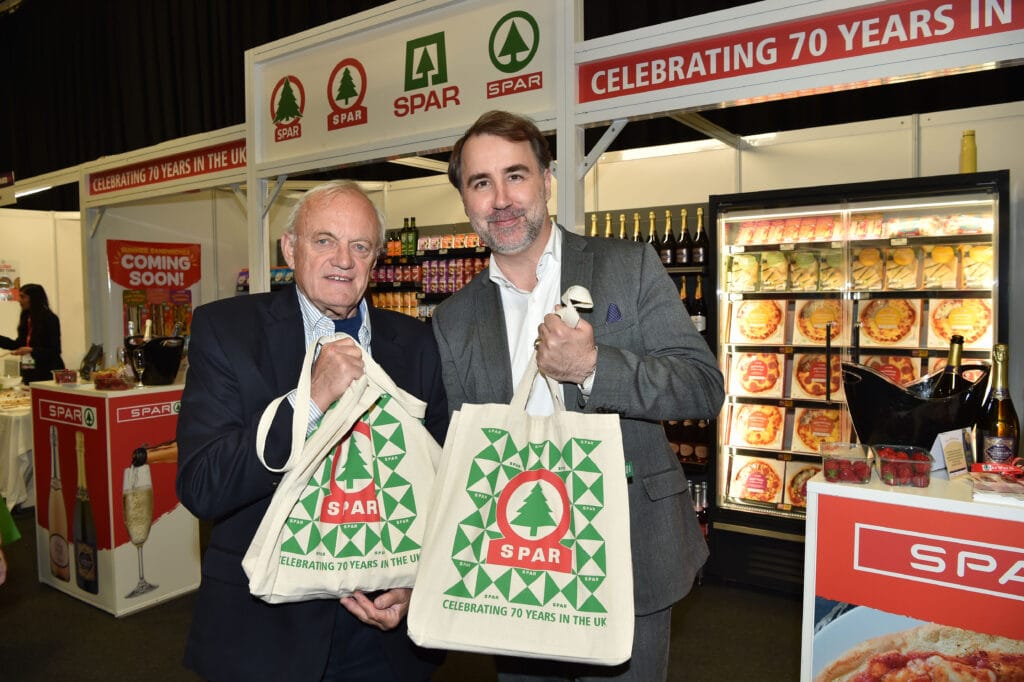
James Hall & Co. Ltd’s Spar Forward event delivered three clear takeaways: expanded food manufacturing, excellent fresh ranges, and strong availability of Food To Go. These are not simply a wholesaler’s operational adjustments. They map directly onto the macro forces now reshaping UK food supply chains, consumer spending patterns, and the inflation outlook.
The simple read is that Spar is investing in its own production and product mix. The better market read traces the transmission from factory floor to the Bank of England’s next inflation print, and from cold storage capacity to grain and livestock futures.
Domestic Manufacturing and the Import Substitution Trade
Expanded food manufacturing reduces Spar’s reliance on imported finished goods. Every percentage point of import substitution trims demand for global container shipping and dampens exposure to port delays and currency swings. The trade-off is higher domestic energy and labor costs, which feed directly into the input prices that grocers pass on to consumers.
For macro traders, this is a direct channel into UK food inflation. If domestic production can absorb supply shocks more predictably than offshore alternatives, it could cap the kind of sudden price spikes that force central banks to keep rates higher for longer. The transmission runs from the factory floor to the next CPI print. A sustained shift toward local manufacturing also supports utilization of UK industrial property and electricity grids, linking the grocery aisle to real estate and energy markets.
Fresh Ranges and the Cold Chain Capacity Crunch
The emphasis on excellent fresh ranges points to a second transmission channel: the cold chain. Fresh food requires temperature-controlled transport and storage, assets that are in tight supply across Europe. When a wholesaler expands its fresh offer, it bids up demand for refrigerated warehousing and reefer trucking. Those logistics costs eventually land in the food CPI basket.
There is also a commodity angle. Fresh produce, dairy, and meat are more sensitive to weather, fertilizer prices, and energy costs than shelf-stable packaged goods. A strategic tilt toward fresh means Spar’s input costs will track agricultural commodity indexes more closely. For macro traders, that creates a tighter link between the grocery aisle and the Chicago and Paris futures that price grains and livestock. A cold-chain capacity crunch would amplify any commodity-driven food inflation, feeding through to the Bank of England’s policy calculus.
Food To Go and the Mobility-Linked Consumer
Strong availability of Food To Go captures a post-pandemic consumer habit that is proving sticky: eating on the move. This category is tied to commuting patterns, tourism flows, and office occupancy rates. When a wholesaler invests in this segment, it is effectively betting that urban mobility will stay above 2020–2021 troughs.
That bet has a direct read-across to transportation fuel demand, commercial real estate footfall, and the revenue streams of quick-service restaurant chains. If Food To Go sales accelerate, it supports the case that the service-sector economy is still rebalancing toward in-person activity. That, in turn, influences how markets price the consumer discretionary sector relative to staples.
- Expanded food manufacturing reduces import reliance and shifts demand toward domestic energy and labor, with a direct line to UK food inflation.
- Excellent fresh ranges tighten cold chain capacity and link grocery margins to agricultural commodity swings.
- Strong Food To Go availability signals confidence in urban mobility and away-from-home consumption, feeding into fuel demand and commercial real estate.
The Next Data Point for the Transmission Chain
The Spar Forward takeaways will be tested by the next round of UK retail sales data and the food inflation component of the CPI. If fresh food volumes rise while prices stabilize, it would confirm that domestic manufacturing is absorbing cost pressures. If Food To Go sales climb alongside commuter rail ridership numbers, the mobility thesis gains traction. The opposite outcomes would suggest the strategy is running ahead of demand.
For now, the event provides a template for reading similar signals from other wholesalers and grocery chains. When a large distributor rewires its supply chain, the effects ripple through freight rates, cold storage REITs, and the commodity futures that underpin the food complex. The macro transmission is already in motion.