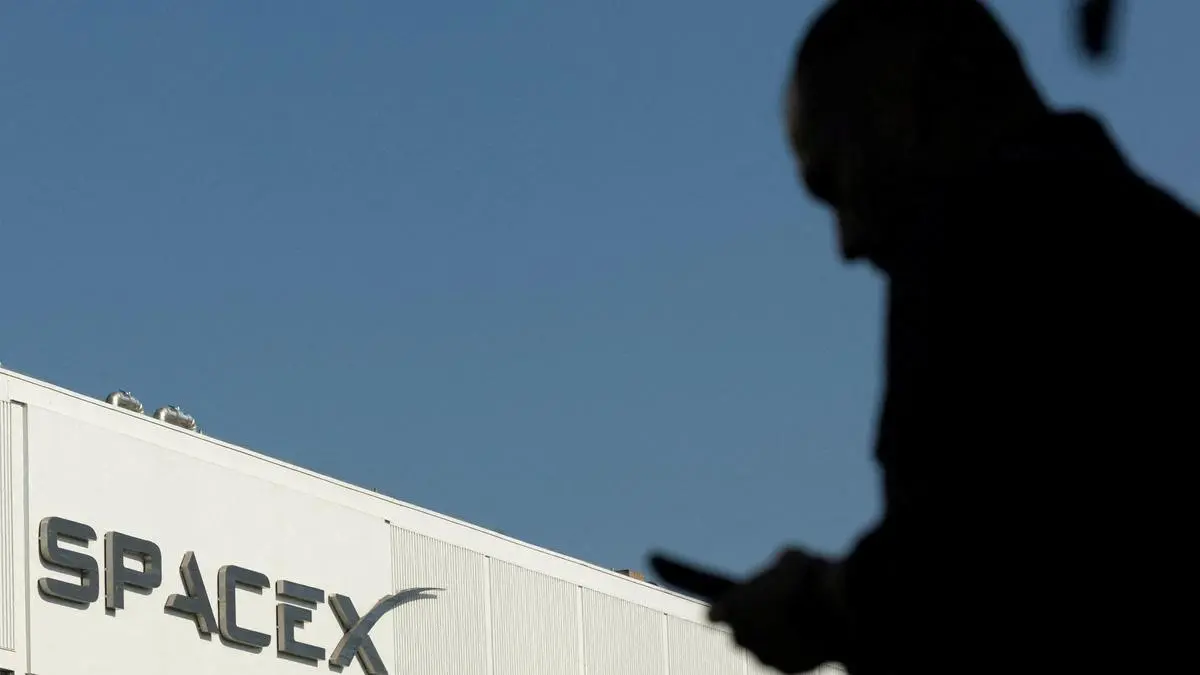
SpaceX will enter the Nasdaq 100 on July 7, a move that sets up a wave of passive buying from index-tracking funds. Nasdaq confirmed the inclusion on Friday.
Exchange-traded funds and mutual funds that mirror the Nasdaq 100 must buy shares of any new constituent. J.P. Morgan estimates the forced buying at roughly $4.3 billion. The figure is based on the share of assets that track the index and SpaceX's current weighting.
Nasdaq has relaxed its entry rules in recent months to make the index more accessible to companies that have recently gone public or lack consistent profits. SpaceX made its Nasdaq debut on June 12. Last year it reported a net loss of $4.9 billion, though revenue has grown sharply.
Not everyone is bullish. "We think the stock is overvalued," said Michael Field, chief equity market strategist at Morningstar. Field noted that index inclusion creates demand but does not change the underlying business fundamentals. S&P Global said this month it will not change eligibility requirements for the S&P 500 yet. It plans to wait at least 12 months before considering SpaceX for that benchmark.
The inflow will hit a range of products that track the Nasdaq 100. The largest is Invesco's QQQ Trust, which holds more than $280 billion in assets under management. The trust's QQQ stock page shows an Alpha Score of 44 out of 100, rated Mixed. That reflects the portfolio's heavy weighting in mega-cap tech and the elevated valuations across the sector.
Other high-profile tech companies are expected to test the IPO market soon. OpenAI and Anthropic could file for their own public offerings this year or next, the source article noted, likely targeting valuations above $1 trillion. Nasdaq's relaxed rules may make the index an earlier destination for those firms as well.
The July 7 addition is locked in. ETFs and funds will adjust their portfolios ahead of that date, meaning much of the $4.3 billion should flow in over the next two weeks. Whether that demand justifies the current stock price is a separate question, as Morningstar's skepticism suggests.