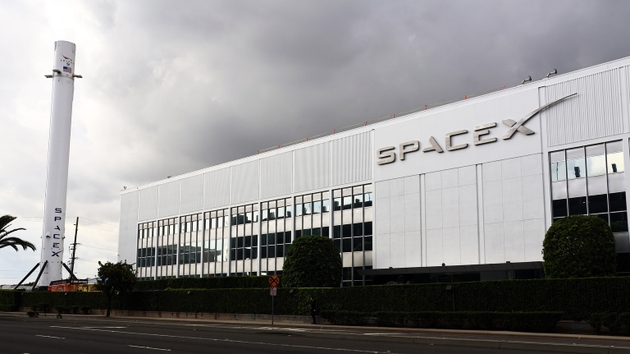
SpaceX will list on the Nasdaq with IPO pricing as soon as June 11, according to a report from a financial news outlet. The Elon Musk-led private rocket company has selected the exchange for its public debut, with an S-1 filing expected imminently.
The timing and venue choice create a clear next catalyst for investors tracking the space economy. SpaceX has been the dominant player in commercial launches and satellite internet through Starlink. A public listing would offer the first broad retail access to that revenue stream.
Why the Nasdaq Listing Matters for SpaceX
Choosing Nasdaq positions SpaceX alongside the largest technology IPOs of the past decade. The exchange has hosted high-profile debuts for companies like Facebook, Alibaba, and more recently ARM Holdings. For a company valued privately at roughly $180 billion in secondary transactions, the exchange choice signals a tech-sector classification rather than industrial or aerospace. That distinction affects valuation multiples and the investor base.
The June 11 date is early but plausible. If SpaceX files a confidential S-1 soon, the Securities and Exchange Commission review period could be compressed. The company has already disclosed substantial financials to investors in private fundraising rounds, so the incremental transparency required for an IPO is manageable.
How the IPO Reshapes the Space Sector
A SpaceX listing would create a liquid benchmark for other space-related equities. Rivals like Rocket Lab (RKLB) and Virgin Galactic (SPCE) trade at valuations tied to future revenue expectations. SpaceX, with Starlink generating recurring subscription income and launch contracts from NASA and the Pentagon, offers a more tangible earnings story. The IPO could compress valuation premiums for pure-play launch companies if investors rotate into the larger, more diversified vehicle.
The listing also pressures privately held competitors. Blue Origin, Relativity Space, and others now face a clear public comparator. Fundraising for those firms will need to justify premiums over a transparently priced SpaceX.
Investor Access and the Execution Risk
Retail investors currently cannot buy SpaceX shares directly. Secondary market transactions on platforms like Forge Global or EquityZen carry wide bid-ask spreads and liquidity constraints. A Nasdaq listing solves that problem but introduces execution risk in the form of market volatility, lock-up expirations, and quarterly earnings scrutiny.
The reported timeline – pricing as soon as June 11 – depends on market conditions. New issues in May and June face competition from existing tech listings and macroeconomic headlines. If equity volatility rises, underwriters may delay pricing to preserve valuation. The June date is a target, not a guarantee.
The Decision Point Ahead
Investors should watch for the S-1 filing with the SEC. That document will reveal revenue growth from Starlink, margins on launch services, and the exact share count. Without those details, the June 11 date remains a placeholder. The next concrete marker is the filing. Once public, the pricing range and institutional demand will determine whether the IPO opens with a pop or a fade. For now, the report gives the market a clear event to calendar. The follow-up filings will separate signal from noise.
Related: market analysis – stock market analysis