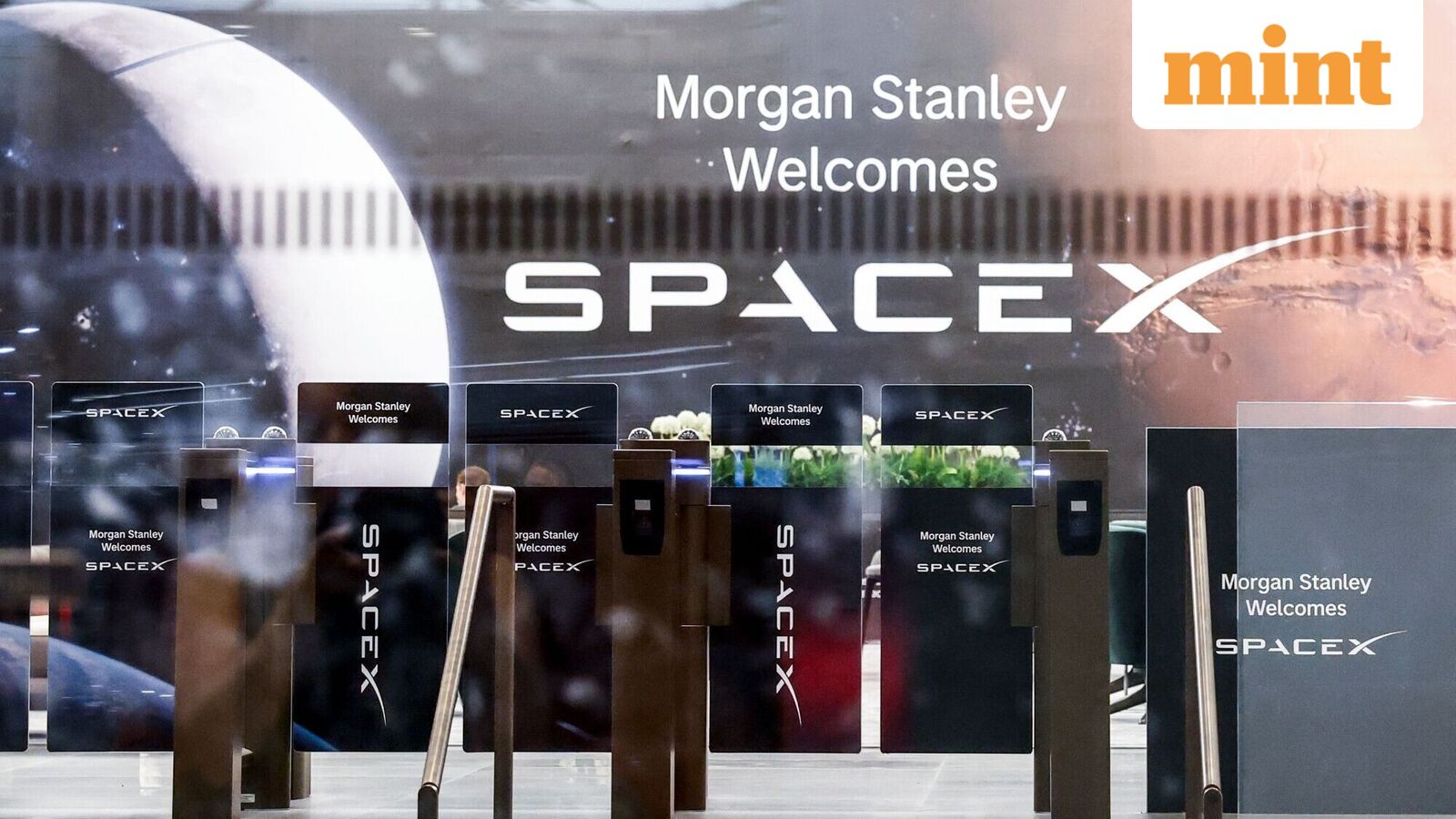
SpaceX's ambition to build the world's largest supercomputer in Memphis has run into a regulatory wall that could derail the company's broader AI expansion. The NAACP sued in April, alleging that the natural gas turbines powering the Colossus data center violate the Clean Air Act and expose nearby black neighborhoods to harmful pollutants. The lawsuit seeks to shut the turbines down. SpaceX says it will defend itself vigorously.
The Colossus Data Center and the Permitting Shortcut
Elon Musk's xAI, now absorbed into SpaceX, built Colossus in Memphis – a facility it claims holds the world's largest supercomputer. To get the site online fast, Musk trucked in natural gas turbines and connected them without going through the standard regulatory process for power plants. That shortcut created the legal exposure.
Communities near the site complained of noise and air pollution. The NAACP's suit argues that the turbines release chemicals harmful to human health, and that the permitting bypass violated federal law. The case is ongoing in federal court.
The practical mechanism: by treating the turbines as temporary or mobile equipment, SpaceX avoided state and federal air-permit requirements that typically require emissions modeling, public comment periods, and pollution-control technology reviews. That saved months of lead time but left the company exposed to a citizen enforcement action under the Clean Air Act.
The NAACP's Clean Air Act Lawsuit
The suit targets the operation of the natural gas turbines, not the data center itself. If the court grants an injunction, SpaceX would have to either shut the turbines down or retrofit them with pollution controls – both costly options. Retrofitting could take weeks to months and still require a permit. Shutting down would halt the supercomputer's power supply.
SpaceX's defense rests on the argument that the turbines are not stationary sources subject to permitting, or that their short-term use qualifies for an exemption. The outcome depends on how the court interprets the EPA's rules on portable generators used for data centers – a gray area that no court has squarely addressed.
A ruling against SpaceX would set a precedent for other tech companies rushing to build AI infrastructure without full regulatory clearance. That second-order risk is larger than the immediate cost of the lawsuit.
What This Means for SpaceX's AI Growth Plans
The Colossus data center is central to SpaceX's AI ambitions. xAI uses the supercomputer to train large language models, and two additional data centers are planned in the Memphis area at a cost of tens of billions of dollars. Each new site likely faces the same permitting bottleneck.
If the lawsuit forces a shutdown or a protracted permitting process, SpaceX's AI timeline slips. Competitors like Microsoft and Google, which already operate permitted data centers, gain a structural advantage. The company's ability to attract co-location partners or government contracts also depends on regulatory certainty that this lawsuit undermines.
Next Decision Points
Two dates matter. First, the court's ruling on the injunction, which could come in weeks. Second, SpaceX's response to the NAACP's discovery requests: internal emails about the permitting decision will show whether the company intentionally avoided review or made a good-faith legal judgment. That distinction affects both the litigation outcome and any potential EPA referral.
For investors tracking SpaceX's private-market valuation, this lawsuit introduces a regulatory overhang that was absent six months ago. Even if SpaceX wins, the cost of fighting the case signals that fast-track data center builds carry real legal risk – a lesson that applies to every hyperscaler racing to deploy AI capacity.