Indices● Neutral
S&P 500 Rallies as Falling Crude Oil Prices Boost Margins
The SPX climbs as lower energy costs offset weak PPI data, signaling a shift toward margin expansion. Watch for oil price floors to gauge rally durability.
Continue with
Market Resilience Defies PPI Weakness
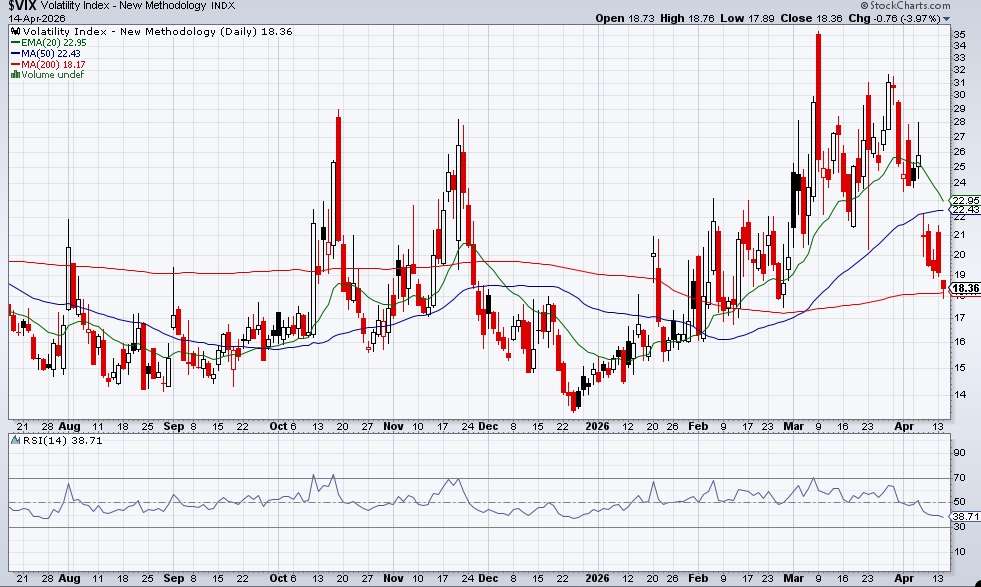
The S&P 500 surged this week, shrugging off a softer-than-expected Producer Price Index (PPI) report that typically triggers caution in rate-sensitive sectors. While the headline data suggests cooling industrial demand, the broader market continues to climb, driven by a sharp contraction in volatility and a concurrent retreat in energy benchmarks.
Investors are currently pricing in a soft landing scenario, viewing the weak PPI data as a precursor to lower input costs rather than a sign of structural economic degradation. This optimism has pushed the index higher even as the underlying inflationary data misses consensus estimates. The disconnect between macro prints and equity performance suggests that liquidity, rather than fundamental economic throughput, remains the primary force behind the current move.
Energy and Volatility Correlations
The recent drop in crude oil prices has provided a tailwind for broader equity multiples. Lower energy costs act as a tax cut for consumers and a margin expansion tool for industrial firms. Traders tracking the crude oil profile note that the recent price compression reduces the cost-push inflation risk that has haunted the FOMC this year.
Volatility, as measured by the VIX, has also retraced, signaling an abatement of fear among institutional desks. When volatility falls during a price rally, it indicates that the move is being supported by systematic buying and de-risking of hedge portfolios. This environment often creates a feedback loop where indices grind higher as participants chase the momentum to avoid underperformance.