Crypto▼ Bearish
South Korea's AI Snoop Now Watches Every Crypto Trade in Real Time
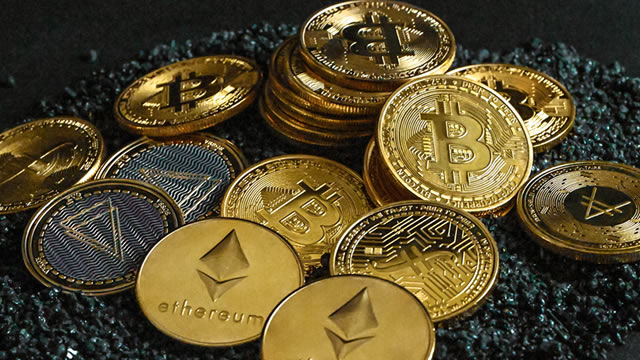
South Korea's FSS AI platform monitors thousands of tokens, targets wash trading and price manipulation, and scans YouTube and chat rooms for suspicious activity.
Continue with
South Korea's financial regulator has switched on a new AI surveillance system to spot crypto market manipulation as it happens.
The Financial Supervisory Service (FSS) said the platform combines generative AI with machine-learning algorithms to monitor thousands of digital assets trading around the clock across multiple exchanges. The system expands on algorithms the regulator developed in January that flagged price-manipulation suspects and the timing of their orders.
A core feature is the ability to flag short-term price manipulation by referencing a historical database of known abuse tactics. The system targets what the FSS calls "racehorse" schemes, where traders rapidly inflate token prices over short periods, and "cage" schemes, where assets under temporary deposit or withdrawal limits swing sharply, according to a local report.
To detect volume inflation, the platform pairs Benford's law with machine-learning models to identify wash trading and coordinated group trading. When suspicious activity triggers an alert, generative AI scans related news coverage and exchange announcements to assess whether the move stems from legitimate news. If no valid reason surfaces and manipulation remains likely, the FSS requests granular trade data from the affected exchange.
The surveillance grid reaches beyond order books. The platform monitors YouTube, online message boards, and private messaging app chat rooms. By converting video audio and subtitles into text in real time, the AI evaluates media for signs of front-running, false information dissemination, and coordinated buying advice designed to trap retail investors, the FSS said.