Indices● Neutral
South Korean Shares Rebound 4.1% After Chip Stocks Lead Recovery
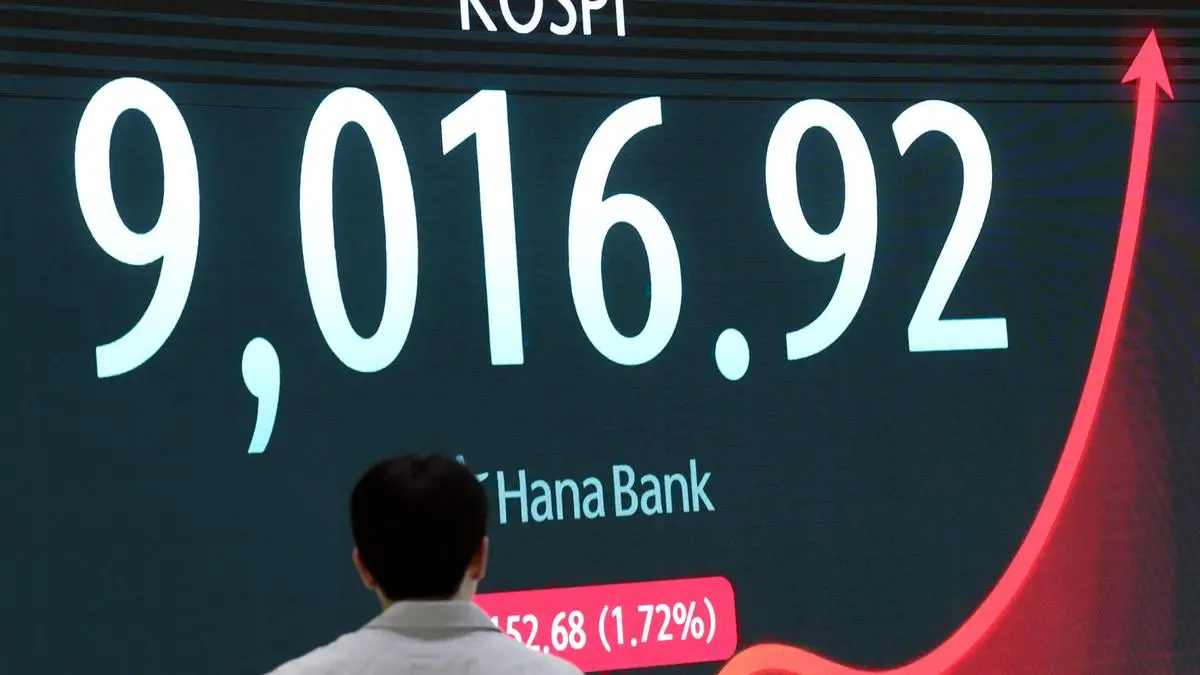
Chip stocks drove a 4.1% KOSPI rebound after a near-10% plunge. Retail FOMO and leveraged ETFs fueled the move, a strategist said. Focus shifts to Micron earnings and US data.
Continue with
South Korea's KOSPI shot up 4.1% in the first 30 minutes of Wednesday's session, recovering a chunk of the previous day's near-10% plunge. The index added more than 330 points to 8,550.21 as trading opened.
Chip stocks led the rebound. SK Hynix gained 5%. Samsung Electronics jumped more than 9%. The move came as retail investors piled into leveraged exchange-traded funds, said Seo Sang-young, a strategist at Mirae Asset Securities Co.
"Retail investors going into leveraged ETFs is what is driving this volatility, as many were waiting for chances to go into the market out of FOMO (Fear of missing out)," Seo said. The dip-buying instantly erased a large portion of Tuesday's double-digit losses, he noted.
Seo warned that more volatility lies ahead. "Micron is due to report earnings soon while the U.S. is waiting for inflation and jobs data," he said. Both events could swing the KOSPI again, given the index's heavy weighting in semiconductor names.