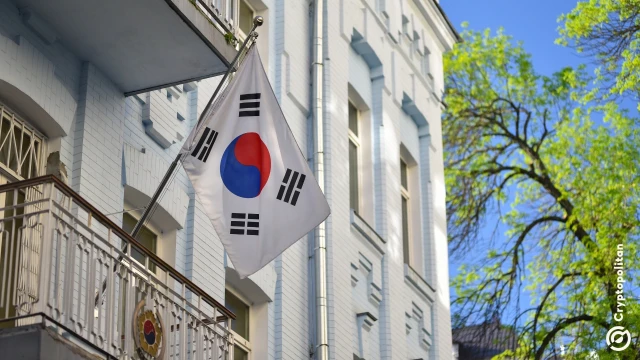
South Korea's FIU referred 40 unregistered crypto operators to police, warning customers lack protection under local user laws. The crackdown follows a push for tighter FATF rules and a zero-threshold Travel Rule set for August.
South Korea’s Financial Intelligence Unit referred 40 unregistered virtual asset service providers to police authorities, the FIU said. Only 28 firms have completed the required registration and ISMS certification under the Specified Financial Transaction Information Act. Every other provider serving South Korean customers is operating illegally.
The FIU detailed several evasion tactics uncovered during its review. Offshore platforms ran Korean-language marketing on Telegram and KakaoTalk to recruit local users, then routed customer support through English-only channels to obscure their business inside the country. Private money changers were found converting stablecoins into won for international students and foreign workers residing in South Korea, the FIU said. In other cases, YouTubers accepted fixed payments from overseas exchanges to promote unregistered platforms to Korean audiences.
Customers using those unregistered platforms fall outside the Virtual Asset User Protection Act and the Specified Financial Transaction Information Act. The FIU warned that users face exposure to data breaches, hacking, and exit scams with limited legal recourse for recovering losses.
The timing ties directly to a broader regulatory push. FIU Director Lee Hyung-joo attended the 34th FATF plenary in Paris and urged member countries to remove any minimum transaction threshold from the crypto Travel Rule – the requirement for exchanges to share customer data on transfers. South Korea plans to lower its current 1 million won ($730) threshold to zero in August, enforcing identity verification on all transactions regardless of size.
Lee said that different licensing and supervision rules across jurisdictions enable regulatory arbitrage, weakening anti-money laundering and counter-terrorism financing efforts. A preliminary FATF review confirmed his position: the jurisdictions where most virtual asset trading takes place are the least compliant with FATF’s AML standards for crypto.
The referrals add to a series of enforcement actions in 2026. In January, the Financial Services Commission brought a criminal case against a pump-and-dump operator. The suspect made several hundred million won in one month by rapidly buying and selling tokens. In March, the Financial Supervisory Service, Korea Customs Service, and nine credit card issuers agreed to share transaction data in real time to stop illegal money movements using overseas credit cards.
A Financial Services Commission official told Newsis that the government will continue joint inspections with related agencies and routine checks on operators that remain unregistered.
Prepared with AlphaScala editorial tooling from the source reporting linked above. Indexable analysis may include a cited Alpha Score value. Publishing checks screen each story before release. Educational coverage, not personalized advice.