Stocks● Neutral
South Africa anti-migrant protests yield looting and arrests
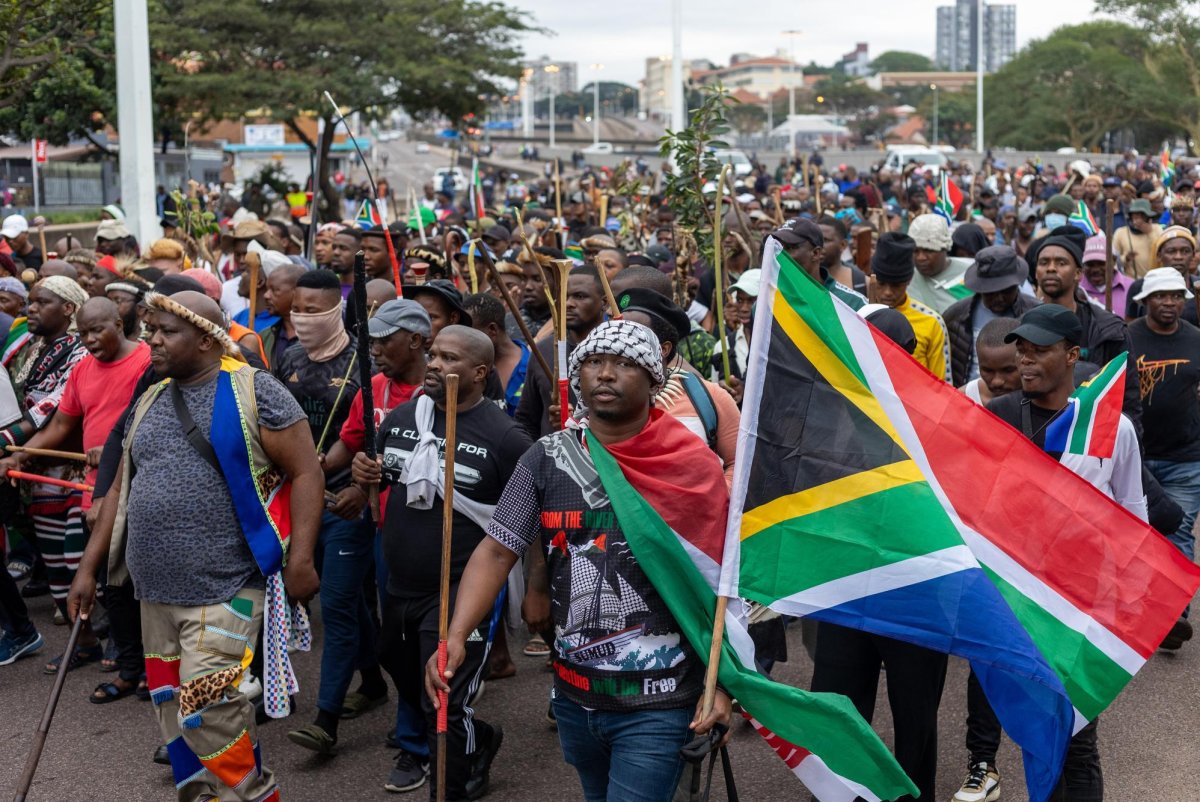
Anti-migrant protests in South Africa brought looting and arrests but avoided widespread violence. President Ramaphosa appealed for calm as the deadline for undocumented migrants passed.
Continue with
Security forces across South Africa braced Tuesday for demonstrations tied to an anti-immigrant group's self-declared deadline for undocumented migrants to leave the country. The day brought looting and arrests. The widespread violence many feared did not materialize.
President Cyril Ramaphosa's direct appeals for calm appeared to have been heard. The Police Ministry reported that, apart from some looting, the protests went off mostly without incident.
In Johannesburg, five people were arrested for allegedly looting a foreign-owned store in Soweto township. Windows of apartments in Yeoville, home to many migrants from other African countries, were smashed by brick-hurling protesters, police said. Five people were also arrested in Hammarsdale in KwaZulu-Natal province after they allegedly broke into a shop there.
Tuesday's events followed weeks of rallies that have been blamed for inciting violence against migrants, both illegally and legally in the country. Protesters say migrants are taking jobs from South Africans, carrying out criminal offenses and overburdening schools, hospitals and other essential services.
March and March, one of the anti-migrant organizations, had used the threat of the protests to try to force the "immediate massive deportation of all illegal foreigners currently in the country" by June 30.
Ramaphosa met leaders of the protests on Monday, ordering them not to resort to violence while acknowledging that the immigration system needed fixing.
"Some foreign nationals who live in South Africa are here lawfully. They work, study, raise families, invest in our economy and contribute positively to our society. They too are entitled to the protection of our laws and our Constitution. The right to protest and freedom of expression does not allow people to threaten or intimidate others, or to engage in acts of vandalism or violence," he wrote in his weekly blog.