May headline inflation hit 4.2% (highest since April 2023) but core CPI rose just 0.2% MoM, below 0.3% consensus. Bitcoin held $60k-$61,750 as June 17 FOMC meeting looms.
US annual inflation accelerated to 4.2% in May, the highest year-over-year reading since April 2023, the Bureau of Labor Statistics reported June 10. Headline CPI climbed 0.5% month-over-month, matching economist forecasts. Core CPI, which strips out food and energy, rose just 0.2% month-over-month. That was below the 0.3% consensus. Annual core inflation sits at 2.9%.
The divergence tells a specific story. Energy and food prices drove the headline acceleration. The goods and services the Federal Reserve watches most closely are behaving more modestly. The Fed has historically relied on core inflation as its preferred gauge for rate decisions. A core reading that undershoots expectations gives the central bank more room to be patient rather than aggressive.
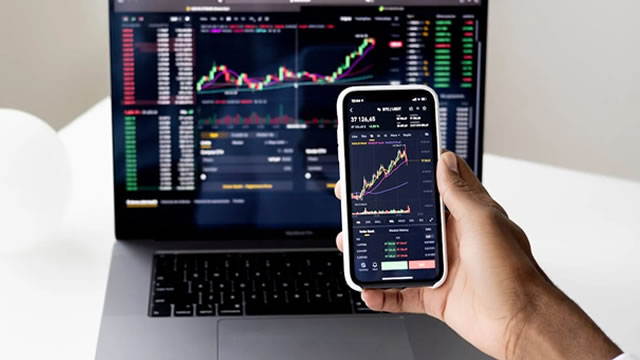
Bitcoin traded between $60,000 and $61,750 after the release. Ethereum also recovered. The reaction was positive for a report showing inflation at a three-year high. Risk assets are less afraid of inflation itself than of what the Fed does about it. Higher rates reduce liquidity and make speculative assets less attractive versus Treasuries. A cooling core reading weakens the case for aggressive tightening.
The May jobs report, released June 6, showed 172,000 new positions, well above the 85,000 forecast. Strong employment combined with rising headline inflation would normally suggest a rate hike. The core miss complicates that picture.
The Federal Open Market Committee meets June 17, one week after the CPI release. Traders will watch whether the Fed signals it is weighting core numbers more heavily or focusing on headline acceleration. The 0.4 percentage point jump in headline CPI from April to May is not trivial. A sustained climb in food and energy prices would test any central bank's patience.
Prepared with AlphaScala research tooling and grounded in primary market data: live prices, fundamentals, SEC filings, hedge-fund holdings, and insider activity. Each story is checked against AlphaScala publishing rules before release. Educational coverage, not personalized advice.