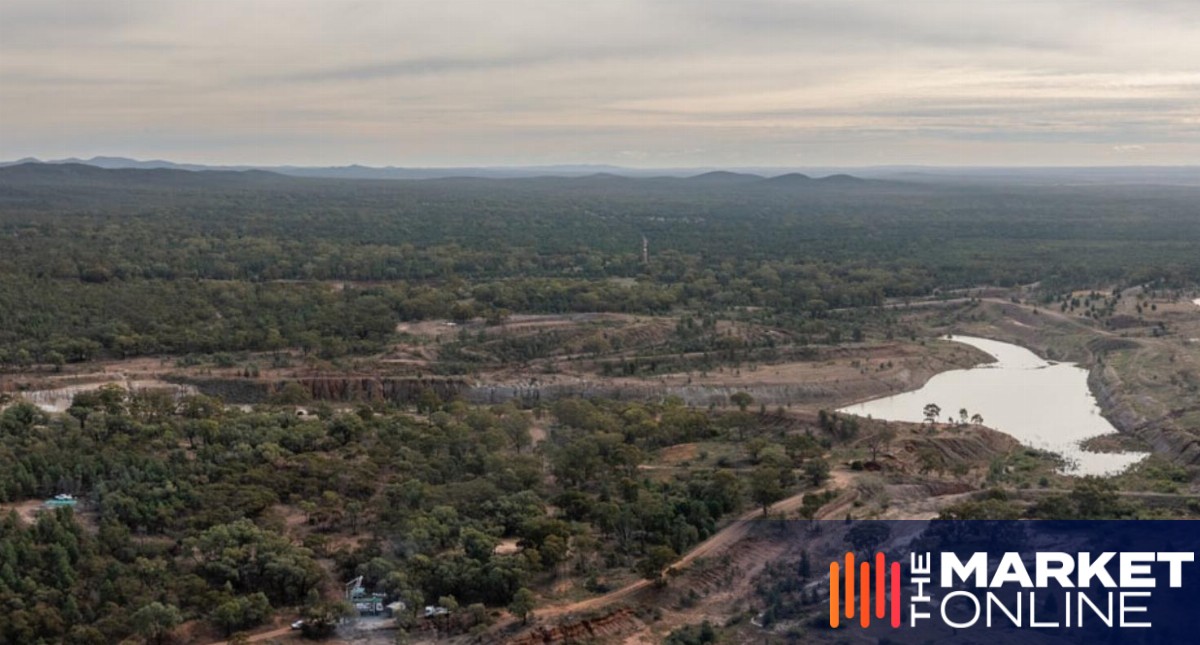
Sky Metals (ASX: SKY) has formally initiated the New South Wales State Significant Development (SSD) approval process for its Tallebung tin-tungsten-silver project. By submitting its scoping report, the company has transitioned from exploration-focused activity to a structured regulatory pathway. This shift is designed to allow environmental, technical, and permitting workstreams to run in parallel, effectively compressing the timeline toward potential production. For investors, the move signals that the project has reached a level of maturity where the regulatory burden now dictates the pace of development.
The Regulatory Mechanism
The transition to an SSD process is a critical hurdle for junior miners in Australia. It moves the project out of local council oversight and into a state-level assessment, which provides a more defined, albeit rigorous, framework for approval. CEO Oliver Davies noted that the company has already appointed dedicated environmental consultants and an internal environmental manager to oversee these baseline studies. This staffing shift is intended to ensure that stakeholder engagement and environmental compliance stay ahead of the company’s internal development schedule.
While the market often reacts to drilling results, the real value driver at this stage is the reduction of execution risk. By aligning the SSD process with upcoming technical milestones, Sky Metals is attempting to de-risk the project before the release of its Pre-Feasibility Study (PFS). The company is currently trading at 19.0¢, reflecting an 11.8% gain, with a market capitalization of $168.0 million.
Data Density and Resource Confidence
The technical foundation for the Tallebung project has expanded significantly. The company has completed over 500 drill holes, a substantial increase from the 115 holes that informed the existing Mineral Resource Estimate (MRE). This increase in data density is expected to produce a step-change in both the scale and the confidence level of the upcoming resource update. The current dataset includes shallow, high-grade tin, tungsten, and silver results, which the company claims demonstrate the continuity of the mineralized system.
Investors should distinguish between the current exploration-led valuation and the future development-led valuation. The upcoming MRE and PFS, both slated for release in the first half of 2026, will serve as the primary economic benchmarks. Until those documents are published, the stock will likely remain sensitive to the progress of the SSD process and any interim drilling results that hint at the final resource size.
Evaluating the Development Path
To assess the viability of the Tallebung project, one must look at the interplay between the expanded drilling dataset and the economic assumptions that will be tested in the 2026 PFS. The following table outlines the current status of the project’s key development pillars:
For those tracking the sector, the primary risk is not just the geological potential, but the ability to maintain the current development momentum through the state-level approval process. While the company is well-funded, the transition from a junior explorer to a developer often involves significant capital expenditure and regulatory friction. The current 11.8% move in the share price suggests that the market is pricing in a higher probability of successful permitting, but the actual economic assessment remains a future event.
Investors interested in the broader materials sector can compare this progress against other firms in the stock market analysis space. For instance, companies like SSD (Simpson Manufacturing Co., Inc.) operate with different risk profiles, holding an Alpha Score of 59/100. Similarly, WELL (Welltower Inc.) provides a different sector perspective with an Alpha Score of 53/100. Sky Metals must now prove that its high-grade shallow results can be converted into a profitable mine plan under the new NSW regulatory framework.